A Decade-Long Study on Incidence and Management of Spontaneous SAH
Overview
This 10-year hospital study analyzed changes in treatment approaches, neurointensive care, and outcomes for patients with spontaneous subarachnoid hemorrhage (SAH). It highlights the evolving preference for neurointerventional techniques over microsurgery and examines clinical outcomes including mortality and functional recovery.
Background
Spontaneous subarachnoid hemorrhage (SAH) is a critical condition primarily caused by ruptured cerebral aneurysms. Rapid identification and occlusion of the aneurysm are essential to prevent rebleeding and improve outcomes. Traditional microsurgical clipping has been the standard treatment, but neurointerventional methods introduced in the 1990s offer less invasive alternatives. Treatment decisions depend on patient condition, aneurysm anatomy, and risks associated with surgical trauma or antiplatelet therapy.
Data Highlights
Parameter
Details
Study Period
2012–2021 (10 years)
Population Covered
1.98 million (2012) to 2.14 million (2021) in central Sweden
Mortality during first year, functional outcome at 1 year (GOSE)
Key Findings
Neurointervention became the preferred treatment for ruptured aneurysms during the study period, with expanding use of stents and flow diverters.
Microsurgery remained necessary for cases where endovascular treatment was unsuccessful, contraindicated, or when hematoma evacuation was required.
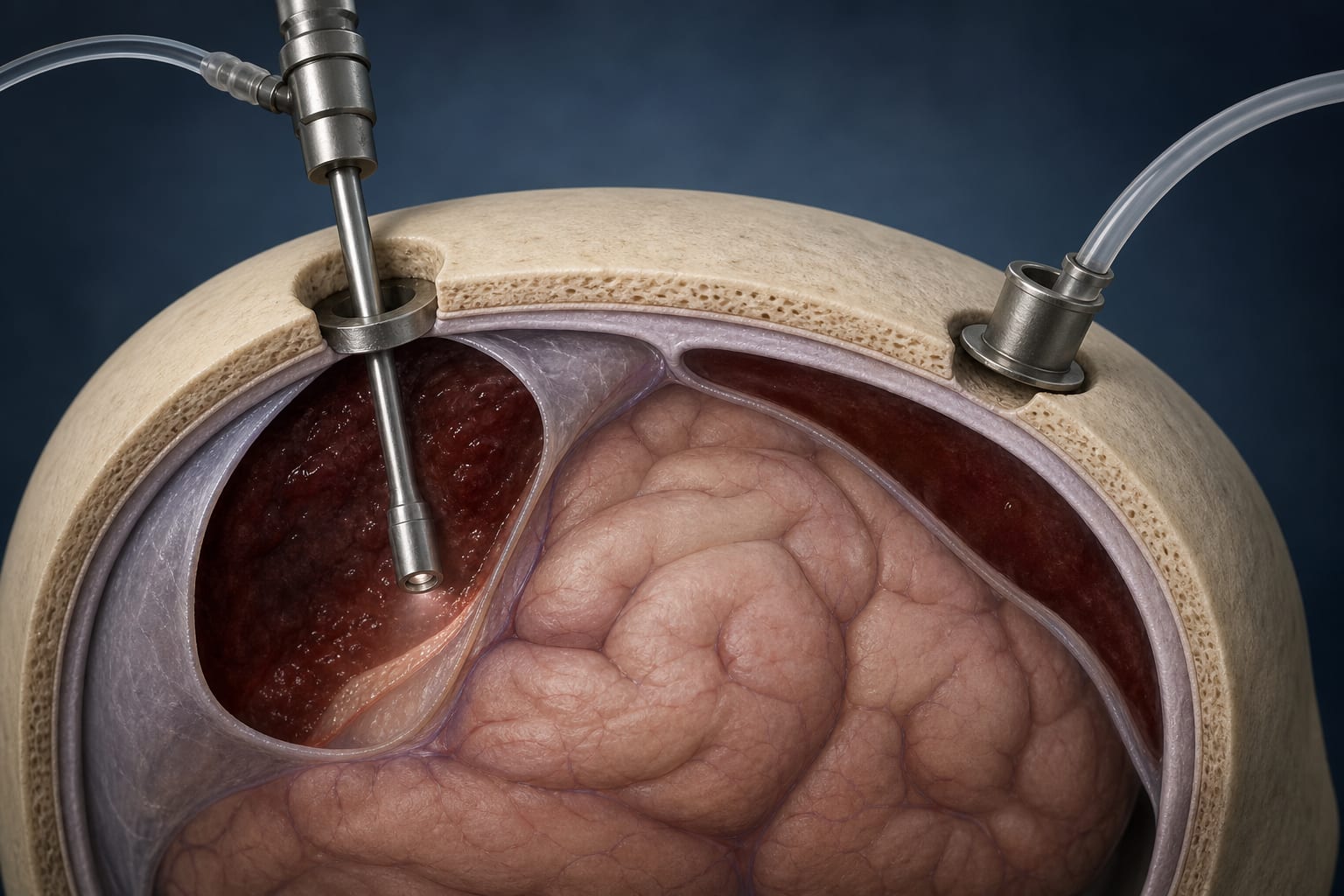
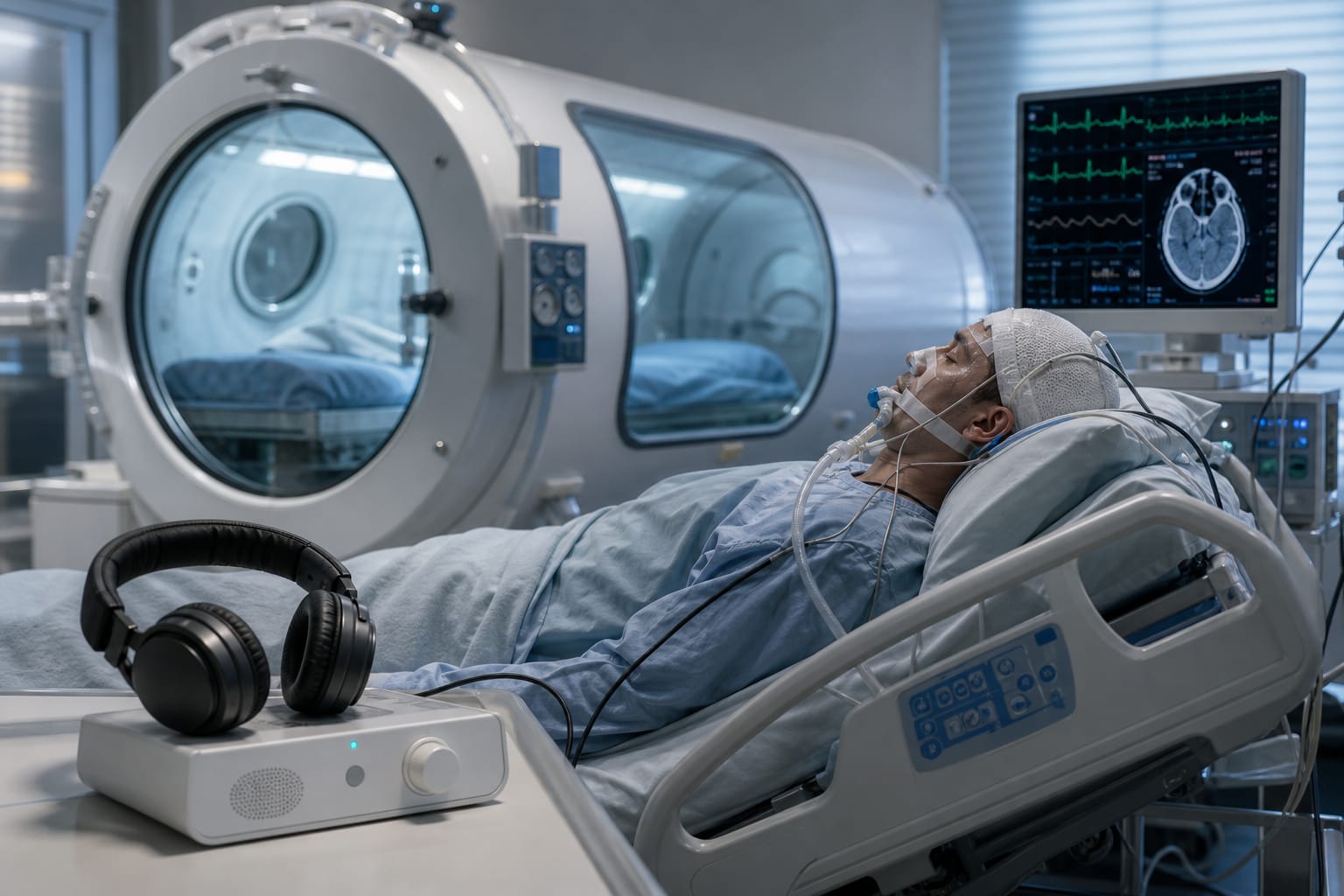
Neurointensive care protocols included aggressive management of intracranial pressure with CSF drainage and last-tier treatments such as pentobarbiturates and hemicraniectomy for refractory cases.
Functional outcomes were assessed at 1 year using GOSE, with favorable outcomes defined as scores 5–8.
The study utilized structured clinical scales (Hunt & Hess, RLS-85, Fisher scale) to stratify patient condition and guide treatment decisions.
Incidence data for SAH and related stroke types were obtained from national health databases to contextualize findings.
Clinical Implications
The shift toward neurointerventional techniques allows earlier and less invasive treatment of ruptured aneurysms, especially in patients at higher surgical risk. However, microsurgery remains critical for certain clinical scenarios. Intensive neurocritical care focusing on intracranial pressure management and vasospasm prevention is essential to optimize outcomes. Clinicians should balance treatment modality risks, including the need for antiplatelet therapy with stents, against patient-specific factors.
Conclusion
Over the decade, treatment of spontaneous SAH evolved with neurointervention becoming predominant, supported by advances in devices and neurointensive care. This multidisciplinary approach aims to improve survival and functional recovery after aneurysmal rupture.
References
Hunt & Hess 1968 -- Clinical grading of SAH severity
ISAT 2002 -- International Subarachnoid Aneurysm Trial results
Uppsala Neurosurgery Dept 2012-2021 -- Local neurointervention protocols and outcomes
Sweden National Board of Health and Welfare -- Stroke incidence data