Detecting Uncoded Self-Harm in Veterans’ Electronic Health Records Using Positive and Unlabeled Learning: Retrospective Cohort Study - Report - MDSpire
Advertisement
Detecting Uncoded Self-Harm in Veterans’ Electronic Health Records Using Positive and Unlabeled Learning: Retrospective Cohort Study
Clinical Report: Identifying Unreported Self-Injury in Veterans' EHRs
Overview
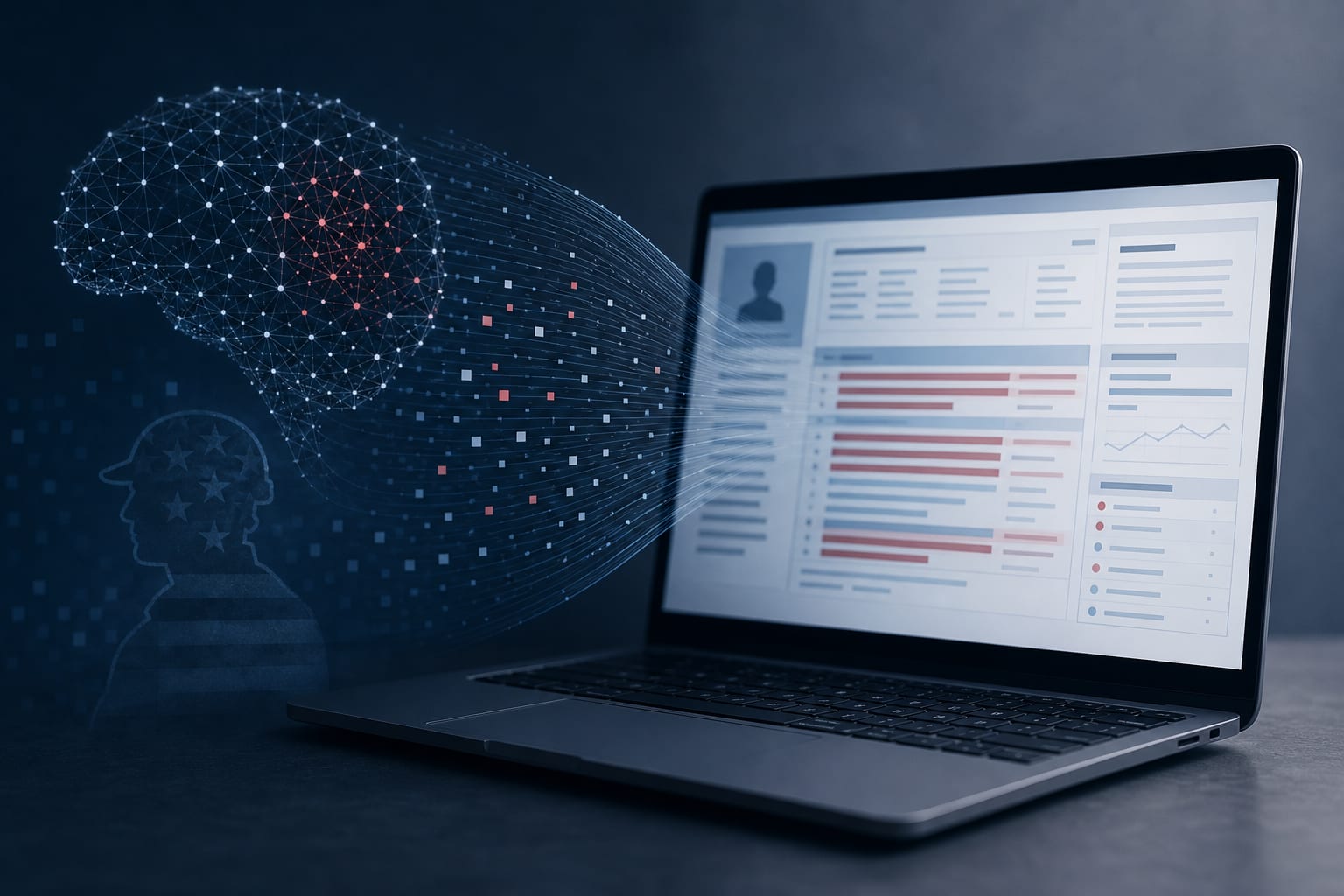
This study explores the identification of unreported self-injury in veterans' electronic health records (EHRs) using machine learning techniques. It highlights the prevalence of self-harm behaviors among veterans and the limitations of current EHR documentation practices.
Background
Suicide and self-harm are critical public health issues, particularly among veterans who experience significantly higher rates of these behaviors compared to the general population. Accurate identification and documentation of self-harm in EHRs are essential for effective intervention and prevention strategies. The study addresses the challenges posed by undercoding in EHRs, which can hinder the recognition of self-harm and suicidal behaviors.
Data Highlights
No specific numerical data or trial data was provided in the source material.
Key Findings
Veterans account for nearly 14% of adult suicide deaths, despite being only 7.6% of the population.
The unadjusted suicide rate among veterans is approximately double that of non-veteran adults.
Younger veterans (ages 18-34 years) have the highest suicide rates, at 47.6 per 100,000.
Undercoding of self-harm behaviors in EHRs limits effective intervention strategies.
Machine learning techniques are increasingly applied to identify self-harm and suicidal ideation in EHRs.
Clinical Implications
Healthcare providers should be aware of the limitations in EHR documentation regarding self-harm and suicidal behaviors. Improved identification methods, including machine learning, may enhance the detection of unreported self-injury, facilitating timely interventions.
Conclusion
The study underscores the importance of accurate documentation of self-harm in veterans' EHRs and the potential of machine learning to improve identification and intervention efforts.
by Praveen Kumar, Alexandria D Viszolay, Rajesh Upadhayaya, Fariha Moomtaheen, Donald R Greer, Cristian G Bologa, Kristan A Schneider, Sharon E Davis, Michael E Matheny, David van der Goes, Gerardo Villarreal, Yiliang Zhu, Mauricio Tohen, Scott A Malec, Jeremy J Yang, Elliot M Fielstein, Christophe Gerard Lambert