Clinical-epidemiological profile of right and left colorectal cancer: exploratory study at the university hospital of USP (2012-2018) - Report - MDSpire
Advertisement
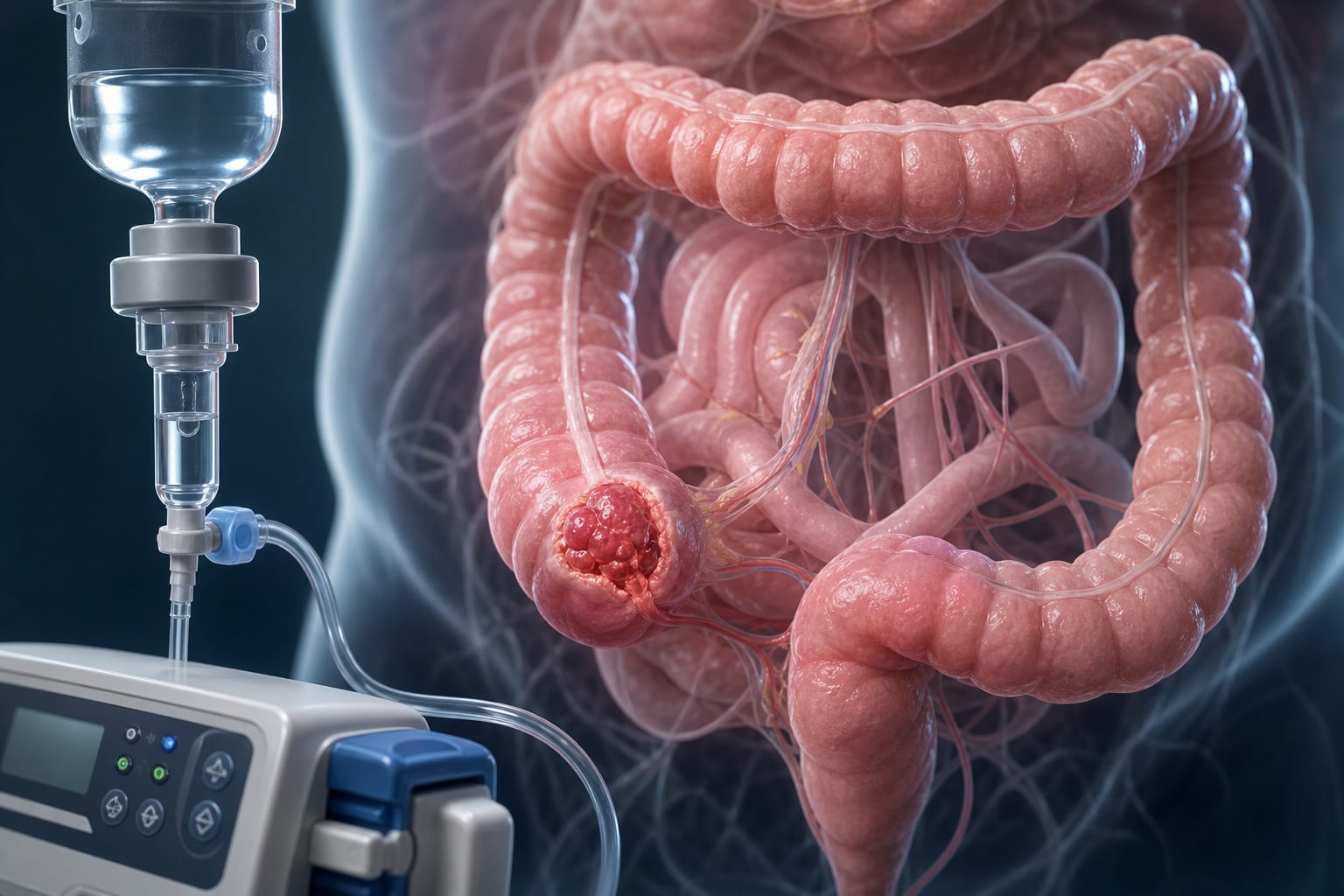
Epidemiological and Clinical Characteristics of Right versus Left Colorectal Cancer: An Exploratory Study at USP University Hospital (2012-2018)
Epidemiological and Clinical Characteristics of Right versus Left Colorectal Cancer
Overview
This study investigates the clinical and epidemiological characteristics of cachexia in colorectal cancer patients, focusing on differences between right- and left-sided tumors. Findings indicate that cachectic patients exhibit distinct inflammatory and nutritional profiles.
Background
Colorectal cancer (CRC) is a leading cause of cancer-related morbidity and mortality globally. Understanding the differences in clinical outcomes between right-sided and left-sided tumors is crucial.
Data Highlights
Variable
Cachectic Patients (n=40)
Non-Cachectic Patients (n=29)
BMI
Lower
Higher
Hemoglobin
Lower
Higher
Albumin
Lower
Higher
CRP
Higher
Lower
CRP/Albumin Ratio
Higher
Lower
Key Findings
Cachectic patients had significantly lower BMI, hemoglobin, and albumin levels.
Higher CRP concentrations and CRP/albumin ratios were observed in cachectic patients.
Cachexia was more frequent among patients with right-sided tumors, though not statistically significant.
Patients who died during follow-up were significantly older than survivors.
Accessible biomarkers like CRP and albumin are relevant for patient assessment and risk stratification.
Clinical Implications
The distinct profiles of cachectic patients suggest the need for further investigation into their management.
Conclusion
Further research is needed to explore the prognostic implications of these findings.