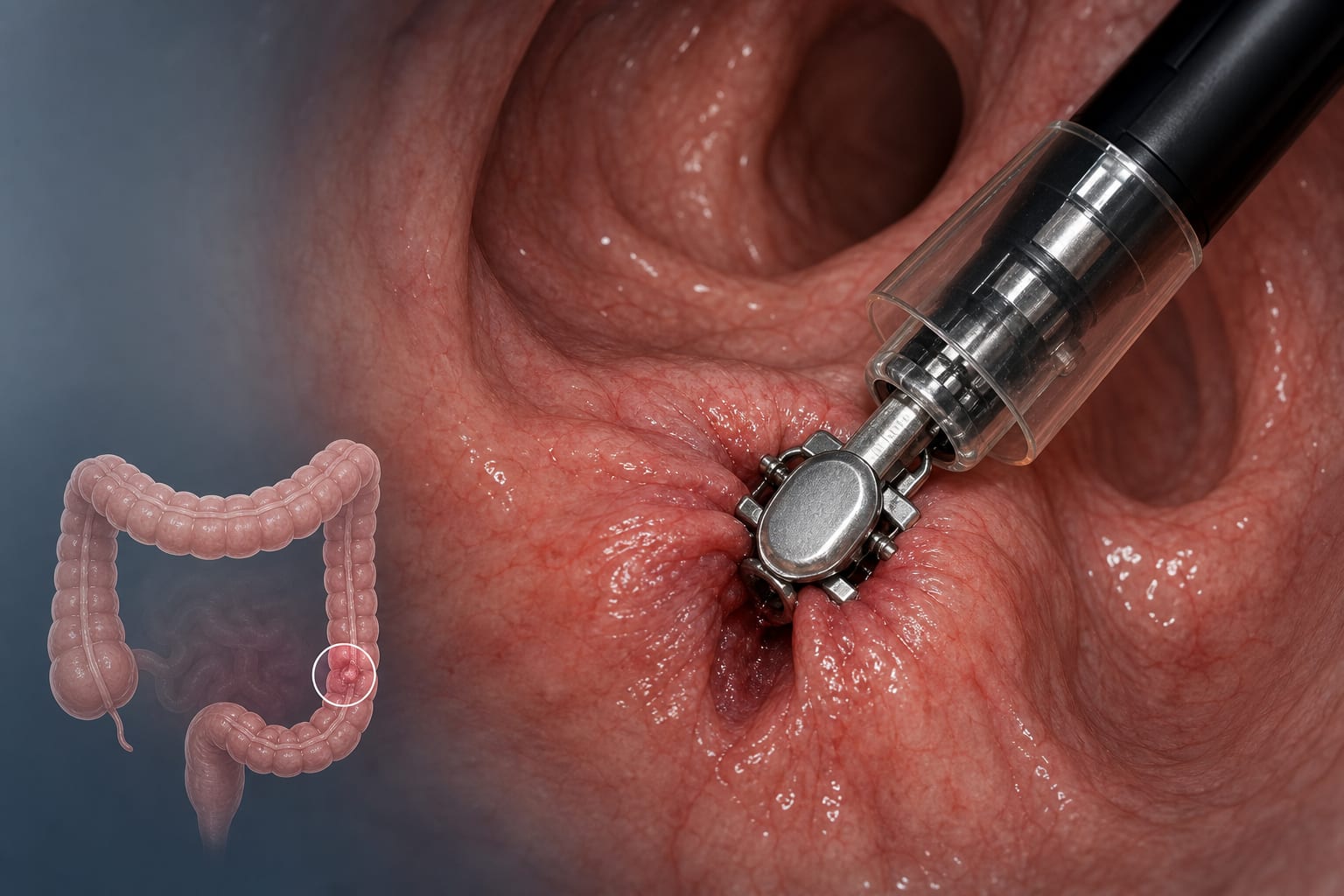
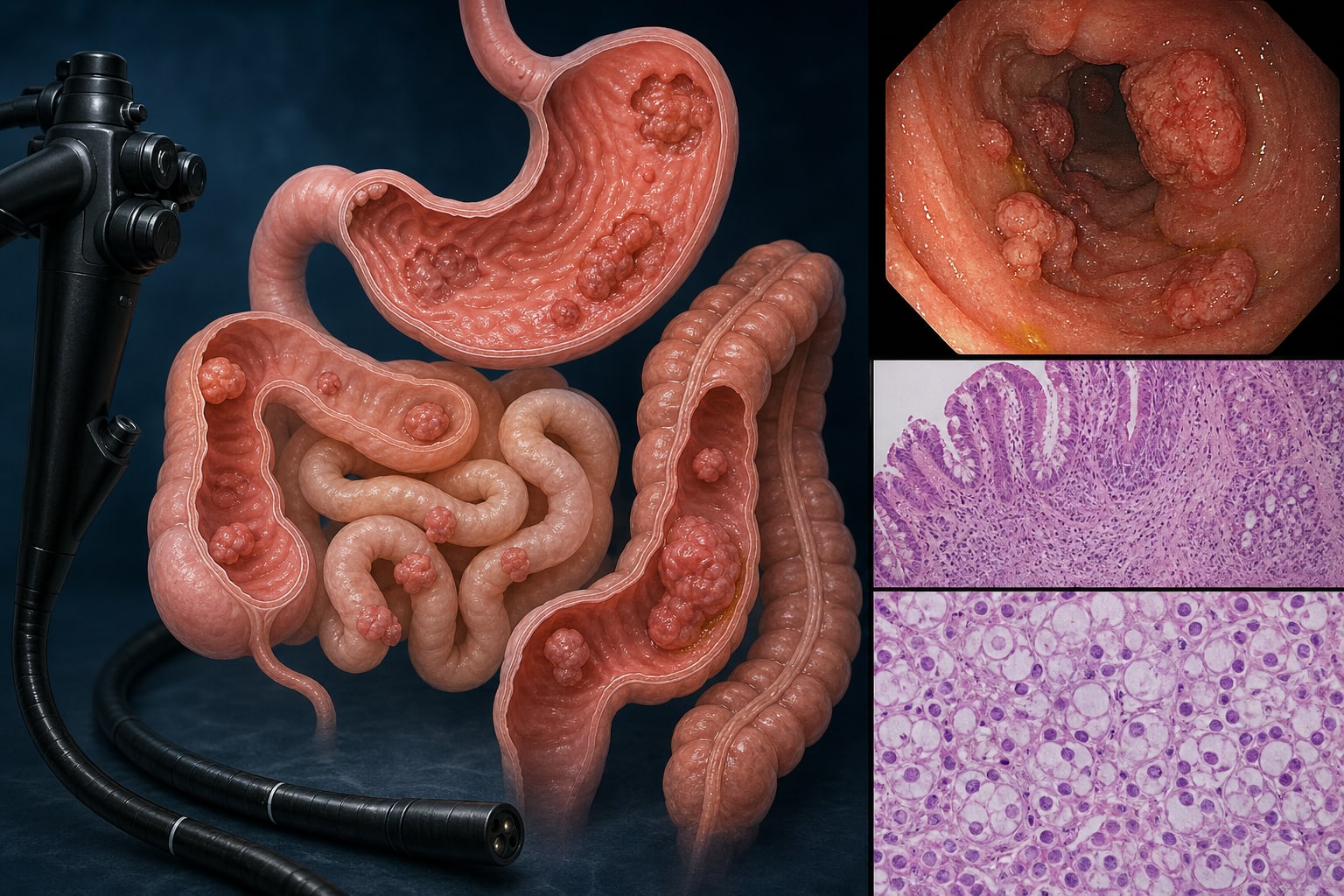
Case Report: Use of the over-the-scope clipping system in a trauma patient for a large bowel anastomotic leak
-
By
-
Thamer Nouh
-
May 20, 2026
Clinical Report: Application of the Over-the-Scope Clipping Device in Trauma
Overview
This report details the successful use of the over-the-scope clip (OTSC) system in a trauma patient with a major bowel anastomotic leak. The patient, after failing conservative management, achieved complete closure of the leak with no complications following the OTSC procedure.
Background
Anastomotic leakage is a significant complication following gastrointestinal surgery, leading to increased morbidity and mortality. Traditional management often requires surgical re-intervention, which can be invasive and carry additional risks. The emergence of the OTSC system offers a minimally invasive alternative for selected patients, potentially improving outcomes and reducing the need for further surgeries.
Data Highlights
No numerical data or trial data available in the source material.
Key Findings
- Anastomotic leakage occurs in 2.8% to 30% of gastrointestinal surgeries.
- The OTSC system has shown efficacy in closing anastomotic leaks with a favorable safety profile.
- The case study involved a 47-year-old male with a persistent colonic anastomotic leak after trauma.
- Conservative management failed, leading to the successful application of the OTSC system.
- Complete closure of the anastomotic leak was confirmed via colonoscopy and gastrografin enema.
Clinical Implications
The OTSC system represents a viable option for managing anastomotic leaks, particularly in patients who are not suitable for surgical re-intervention. Clinicians should consider this minimally invasive approach as part of their management strategy for selected cases of anastomotic leakage.
Conclusion
The successful application of the OTSC system in this case highlights its potential as an effective treatment for anastomotic leaks, offering a less invasive alternative to traditional surgical approaches.
Related Resources & Content
- Updates in Surgery, 2021 -- Colorectal Anastomosis Reinforced by Mucosal Plication and Transanal Vacuum Drainage: Preliminary Findings from a Pilot Study
- Techniques in Coloproctology, 2024 -- Transanal Surgical Approach for Managing Anastomotic Leakage Following Low Anterior Resection in Rectal Cancer: A Prospective Study
- Surgical Endoscopy, 2025 -- Surgical Management of Intraabdominal Sepsis: Utilizing a Damage Control Strategy to Lower Stoma Formation Rates
- Frontiers, 2024 -- Colorectal anastomotic leakage: a narrative review of definitions, grading systems, and consequences of leaks
- Endoscopic management for gastrointestinal leaks, perforations, and fistulae: Technical tips and outcomes - PubMed
- Surgical Endoscopy — Utilizing Endoclips with Transendoscopic Enteral Tubing: An Innovative Strategy for Addressing Iatrogenic Perforations During Colonoscopy
- Use of the Over-The-Scope Clipping (OTSC) System in a trauma patient for a large bowel anastomotic leak
- Frontiers | Colorectal anastomotic leakage: a narrative review of definitions, grading systems, and consequences of leaks
- Endoscopic management for gastrointestinal leaks, perforations, and fistulae: Technical tips and outcomes - PubMed
- Indocyanine green near-infrared fluorescence bowel perfusion assessment to prevent anastomotic leakage in minimally invasive colorectal surgery (AVOID): a multicentre, randomised, controlled, phase 3 trial - ScienceDirect
This content is an AI-generated, fully rewritten summary based on a published scholarly article. It does not reproduce the original text and is not a substitute for the original publication. Readers are encouraged to consult the source for full context, data, and methodology.