Clinical Report: Evaluation of Antipsychotic Drug Stability in Serum Samples
Overview
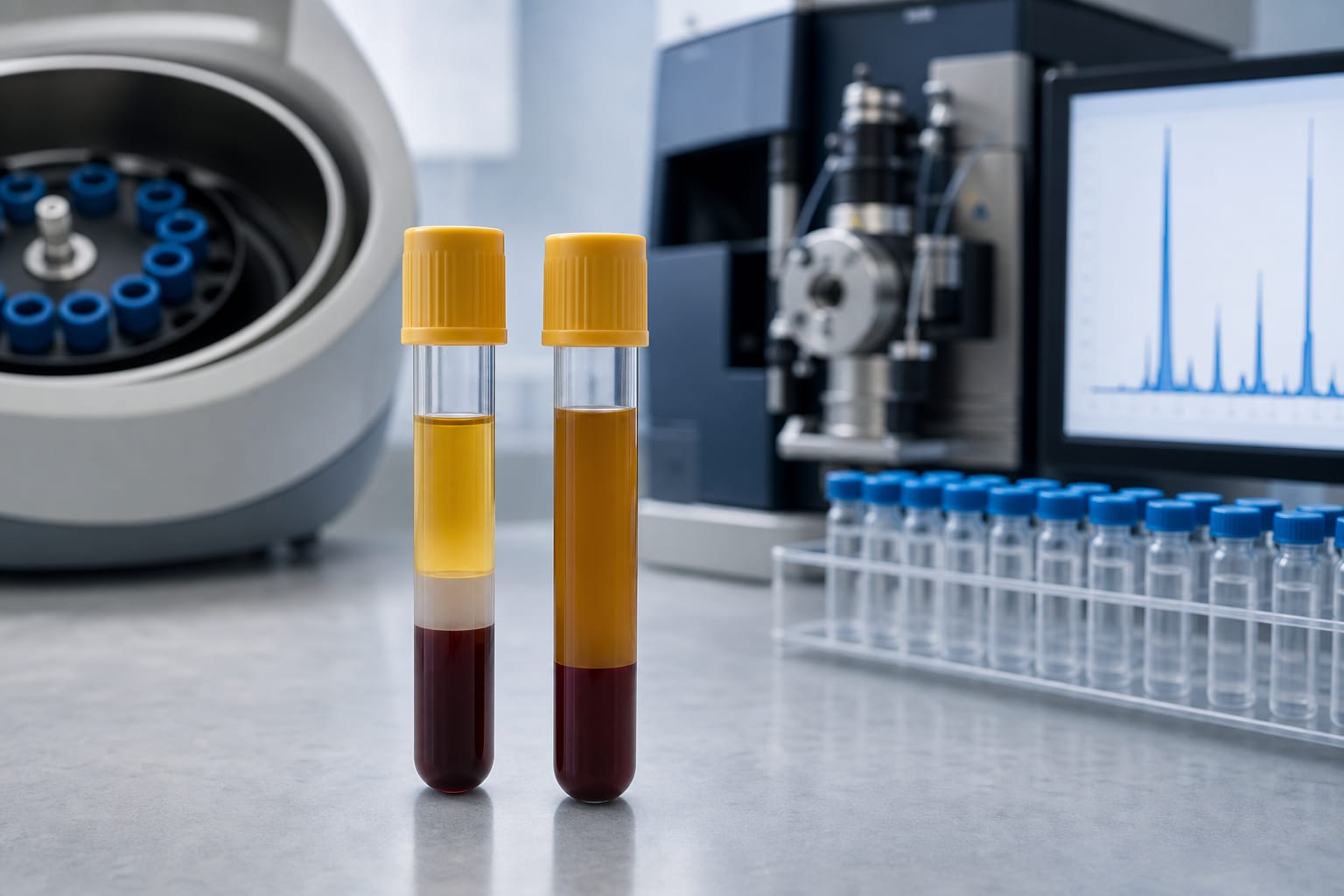
This study evaluated the stability of selected antipsychotic drugs in clinical serum samples collected in blood collection tubes with and without separation gel. Significant differences in drug concentrations were observed, particularly for clozapine and aripiprazole.
Background
Accurate measurement of drug concentrations in biological samples is crucial for therapeutic drug monitoring (TDM), especially for antipsychotics with narrow therapeutic windows. Pre-analytical factors, such as the type of blood collection tube used, can introduce variability in drug concentration measurements.
Data Highlights
Drug
Mean Relative Reduction in Gel Tubes
Day 2 Stability in Non-Gel Tubes
Day 7 Stability in Non-Gel Tubes
Clozapine
7.86%
99.1%
98.3%
Aripiprazole
5.02%
No loss
No loss
Key Findings
Clozapine concentrations were significantly lower in separation-gel tubes compared to non-gel tubes on Day 0.
Mean relative reductions for clozapine and aripiprazole were 7.86% and 5.02%, respectively, in gel tubes.
Clozapine remained stable in non-gel tubes with 99.1% and 98.3% residual concentrations on Days 2 and 7.
Significant additional loss of clozapine in gel tubes was observed on Day 7 (mean loss of 8.7%, p < 0.001).
No relevant loss was observed for other antipsychotic drugs and metabolites during the study period.
Clinical Implications
The findings indicate that the choice of blood collection tube can significantly affect the measured concentrations of certain antipsychotic drugs, particularly clozapine.
Conclusion
The study highlights the importance of using appropriate blood collection tubes for accurate therapeutic drug monitoring of antipsychotics.
Biomarker-guided patient selection may help identify patients with sepsis who could benefit from endotoxin-targeted therapy, although confirmatory evidence is still needed.