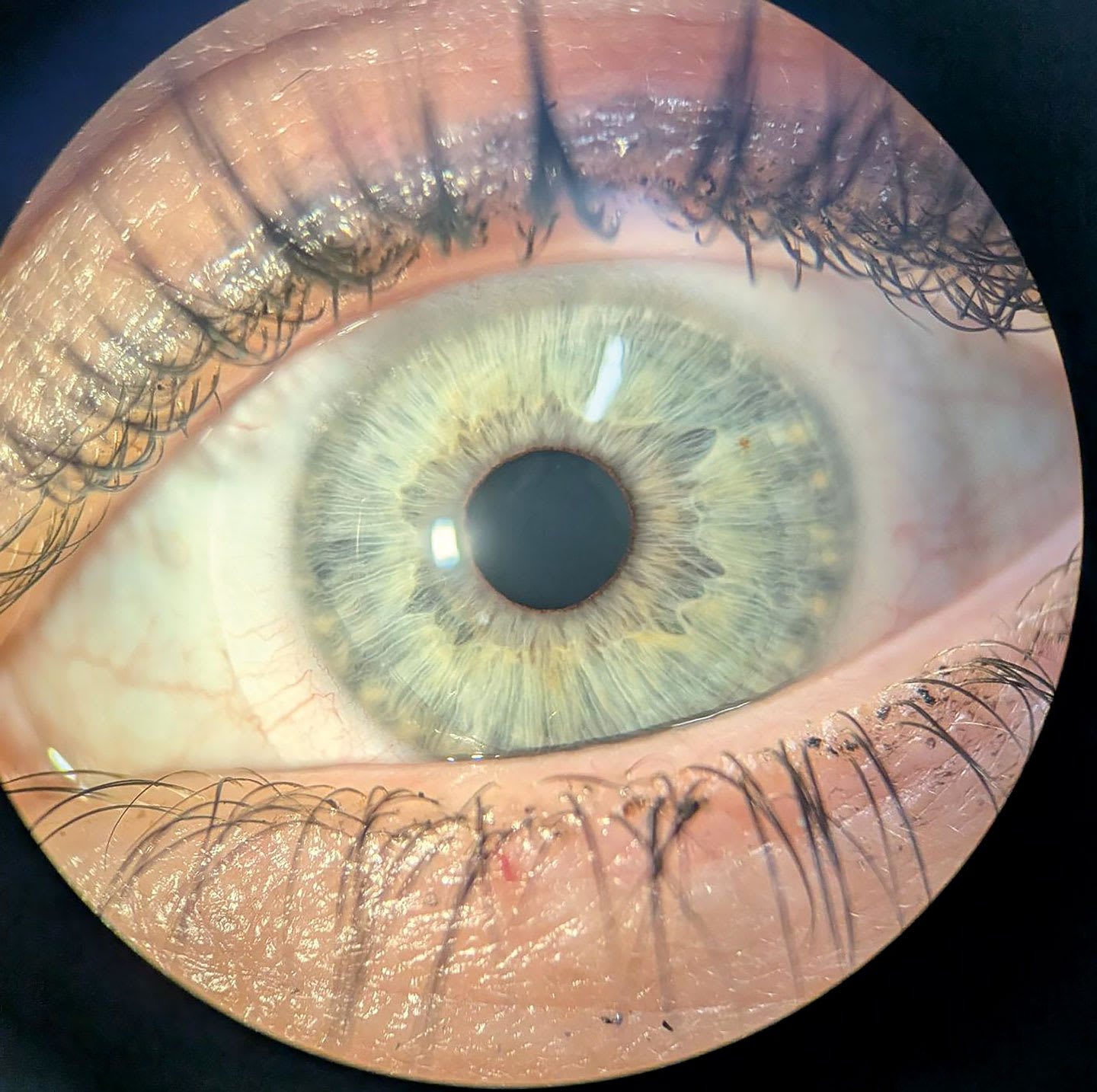
Clinical Report: Intrachromosomal Translocation of PAX6 with Neutral Copy Number
Overview
This study identifies a complex balanced intrachromosomal rearrangement involving the PAX6 gene in a patient with classic aniridia, emphasizing the utility of optical genome mapping and long-read whole-genome sequencing in detecting structural variants that may be missed by standard sequencing methods.
Background
Classic aniridia is a panocular disease primarily caused by PAX6 haploinsufficiency, leading to significant ocular complications such as cataracts, glaucoma, and corneal keratopathy. Understanding the genetic mechanisms behind unexplained cases of aniridia is crucial for accurate diagnosis and management. This report emphasizes the importance of advanced genomic techniques in identifying structural variants that contribute to the condition.
Data Highlights
No numerical data or trial data available.
Key Findings
A 16-year-old male patient presented with classic aniridia features and negative PAX6 testing. Optical genome mapping revealed a heterozygous 55-kb deletion of the PAX6 region and an intrachromosomal insertion into 11q21. Long-read whole-genome sequencing determined precise breakpoints for the translocated PAX6 gene. The translocation resulted in PAX6 haploinsufficiency due to the separation from its downstream regulatory region. This case represents a novel structural variant not previously reported in the literature.
Clinical Implications
The findings suggest that clinicians should consider advanced genomic testing methods, such as optical genome mapping and long-read sequencing, for patients with unexplained aniridia. Early identification of structural variants can inform management strategies and genetic counseling, potentially improving patient outcomes.
Conclusion
This report underscores the significance of advanced genomic techniques in elucidating the genetic basis of aniridia, particularly in cases where traditional methods fail to identify causative variants, paving the way for future research.