Effects of unfolding case-based simulation in obstetrics and gynecology internships on caring ability and caring behaviors: a quasi-experimental study - Report - MDSpire
Impact of Unfolding Case-Based Simulation on Caring Skills in OBGYN Internships
Overview
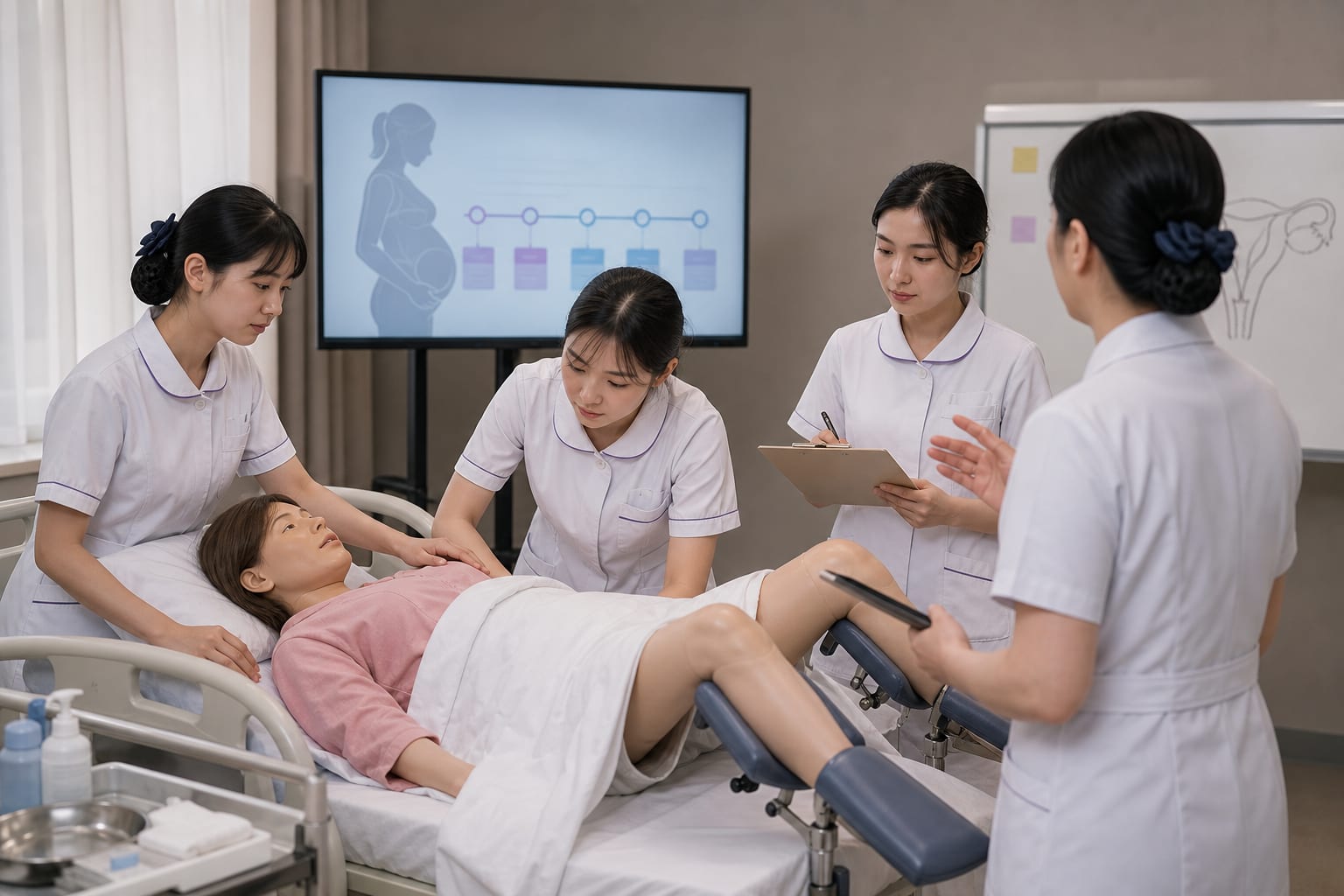
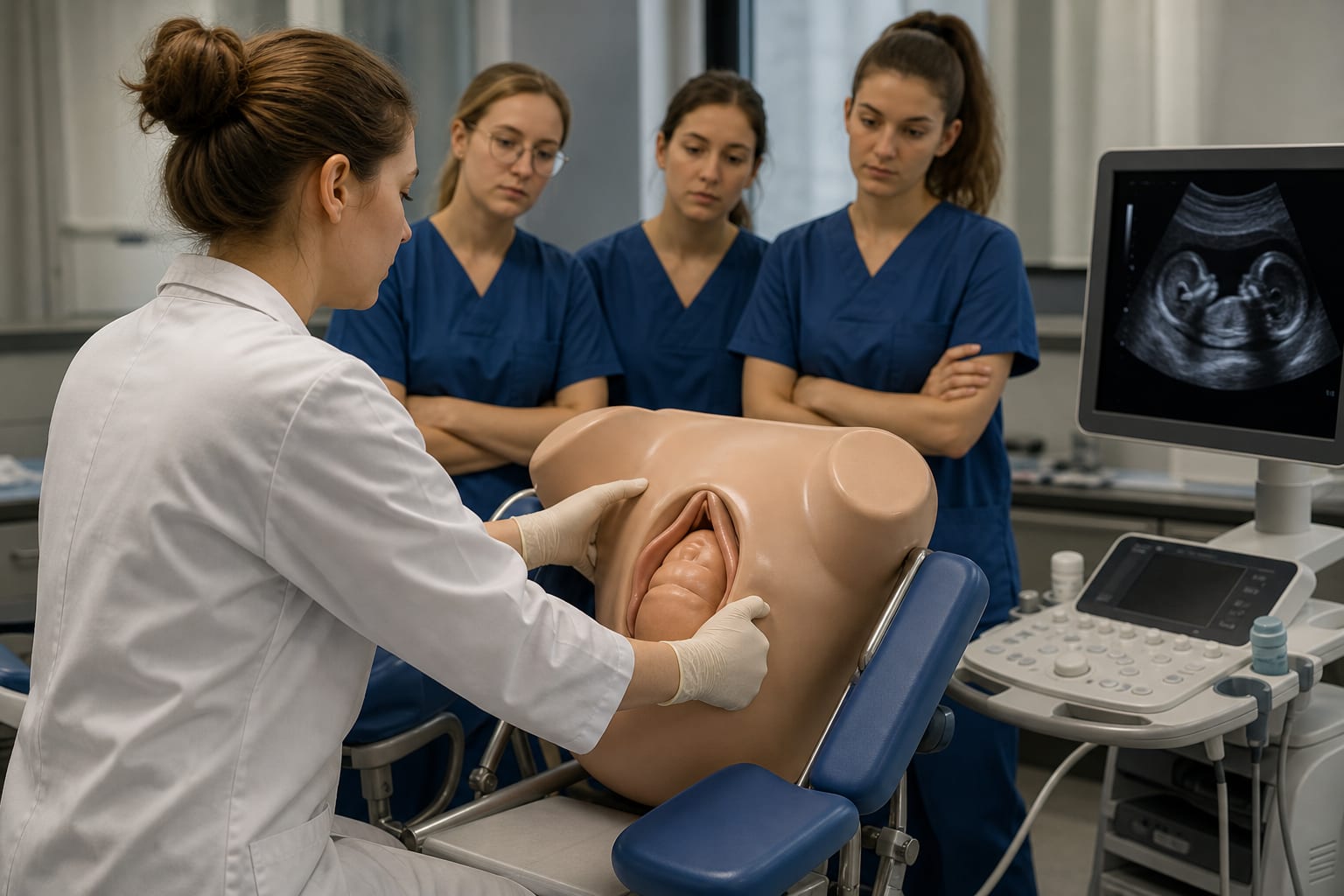
This study demonstrates that incorporating unfolding case-based simulation into obstetrics and gynecology internships significantly enhances nursing students' caring abilities and behaviors. The intervention group showed marked improvements in both caring ability and behaviors, alongside better specialty assessments and teaching satisfaction.
Background
Obstetrics and gynecology internships present unique challenges, requiring nursing students to blend technical skills with emotional intelligence and caring behaviors. Traditional preceptorships often fall short in fostering these competencies, highlighting the need for innovative educational strategies. Unfolding case-based simulation may bridge this gap by providing a structured approach to developing both clinical and relational skills.
The intervention group had significantly higher end-of-rotation CAI and CBI scores compared to the control group (P < 0.001).
Higher specialty assessment scores were achieved by the intervention group (P < 0.001).
Overall teaching satisfaction was greater in the intervention group (P < 0.001).
Baseline characteristics were comparable between both groups, ensuring a fair comparison.
Unfolding case-based simulation effectively enhances both caring ability and behaviors in nursing students.
Clinical Implications
Incorporating unfolding case-based simulation into nursing curricula can significantly improve students' caring competencies, which are essential in high-stress environments like obstetrics and gynecology. This approach may lead to better patient outcomes and enhanced student preparedness for real-world clinical situations.
Conclusion
The addition of unfolding case-based simulation to traditional preceptorships in OBGYN internships results in substantial improvements in nursing students' caring abilities and behaviors. Further research is needed to assess the long-term impact of these educational interventions.
A living clinical guideline outlines a treatment hierarchy for selected pharmacologic therapies in patients with obesity and selected patients with overweight.