Clinical Report: Defined Phenotypic Clusters in Post-COVID Conditions
Overview
Post-COVID conditions (PCC) represent a heterogeneous group of symptoms persisting beyond acute SARS-CoV-2 infection. A recent study identified three distinct symptom-based phenotypes—sensory, fatigue/cognitive, and breathing/exercise intolerance—each associated with unique risk factors and inflammatory profiles.
Background
Post-COVID conditions, also known as long COVID, affect over 10% of patients after severe COVID-19 infection, with symptoms lasting weeks to months or longer. The clinical presentation is highly variable, involving multiple organ systems and symptoms such as fatigue, brain fog, sensory loss, and respiratory difficulties. Definitions of PCC vary, with symptom persistence required from 28 days to 3 months post-infection depending on the guideline. Understanding the heterogeneity and pathophysiology of PCC remains a challenge, complicating diagnosis and treatment.
Data Highlights
Phenotype
Key Symptoms
Associated Risk Factors
Inflammatory Markers
Sensory
Loss of smell/taste
Lack of vaccination
Not specified
Fatigue/Difficulty Thinking
Mental and physical fatigue, brain fog
Not specified
Not specified
Difficulty Breathing/Exercise Intolerance
Shortness of breath, exercise difficulty
Obesity, hospitalization
Elevated CRP and IL-6
Key Findings
Three distinct PCC phenotypes were identified: sensory impairment, fatigue/cognitive difficulties, and breathing/exercise intolerance.
Each phenotype is associated with unique risk factors; for example, obesity and hospitalization correlate with breathing difficulties, while lack of vaccination correlates with sensory dysfunction.
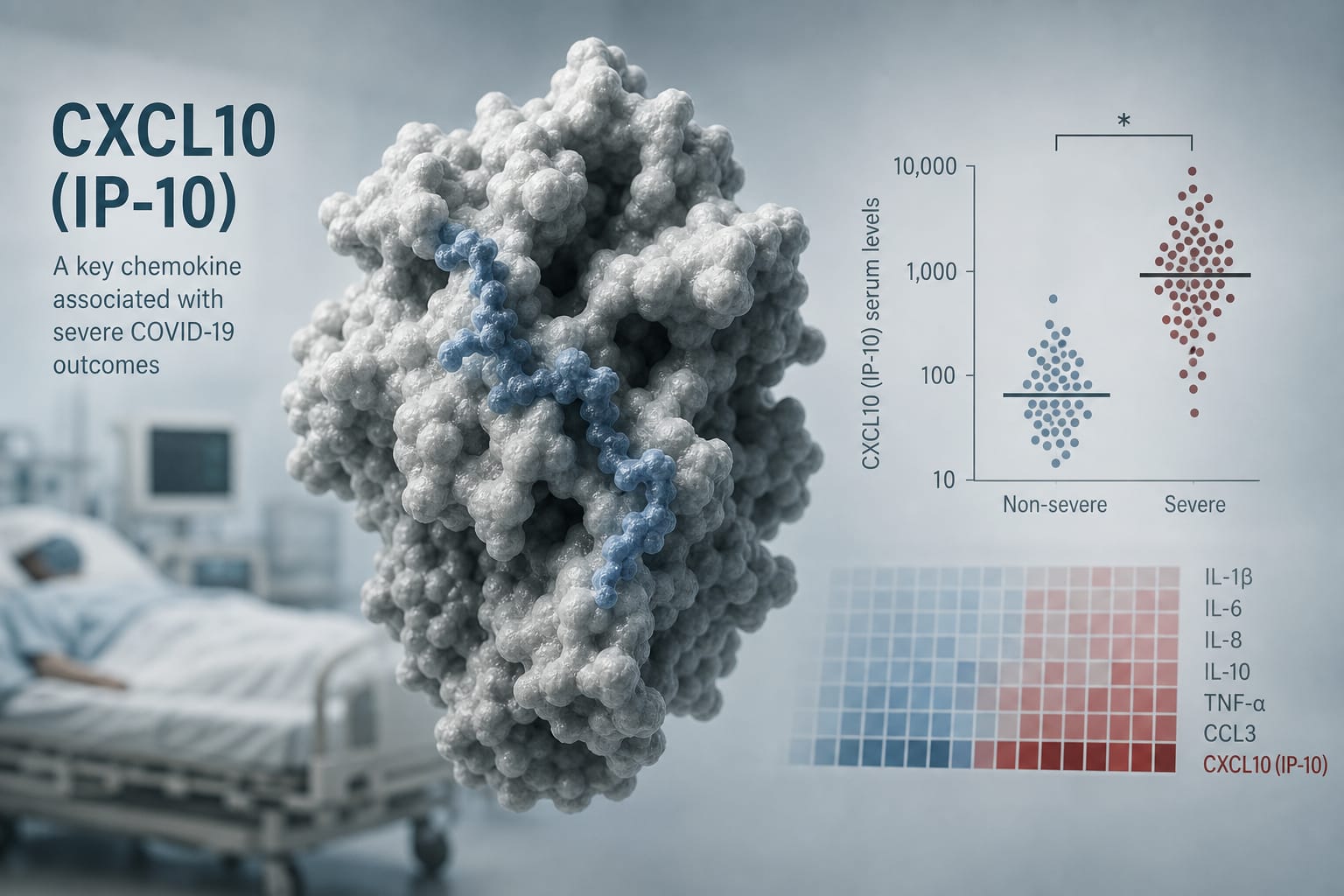
Inflammatory biomarkers such as C-reactive protein and interleukin 6 were elevated specifically in the breathing/exercise intolerance phenotype.
Symptom clusters remained consistent over time, persisting up to 12 months post-infection.
Machine learning techniques, including principal components analysis and K-means clustering, effectively categorized PCC symptom patterns.
Findings were validated by the NIH RECOVER study despite differences in population and methodology.
Clinical Implications
Recognizing distinct PCC phenotypes can improve diagnostic precision and guide personalized management strategies. Monitoring inflammatory markers may help identify patients at risk for specific symptom clusters, particularly those with respiratory symptoms. Vaccination appears to reduce the risk of sensory-related PCC symptoms, underscoring its preventive role.
Conclusion
This study advances understanding of post-COVID conditions by delineating discrete symptom clusters with associated risk factors and inflammatory profiles, highlighting the multisystemic and heterogeneous nature of PCC. These insights pave the way for targeted research and tailored clinical interventions.
References
Epsi et al 2023 -- Identifying Defined Groups of Sequelae Following Coronavirus Disease 2019
CDC 2022 -- Post-COVID Conditions: Information for Healthcare Providers
NIH RECOVER Study 2023 -- Characterization of Post-Acute Sequelae of SARS-CoV-2 Infection