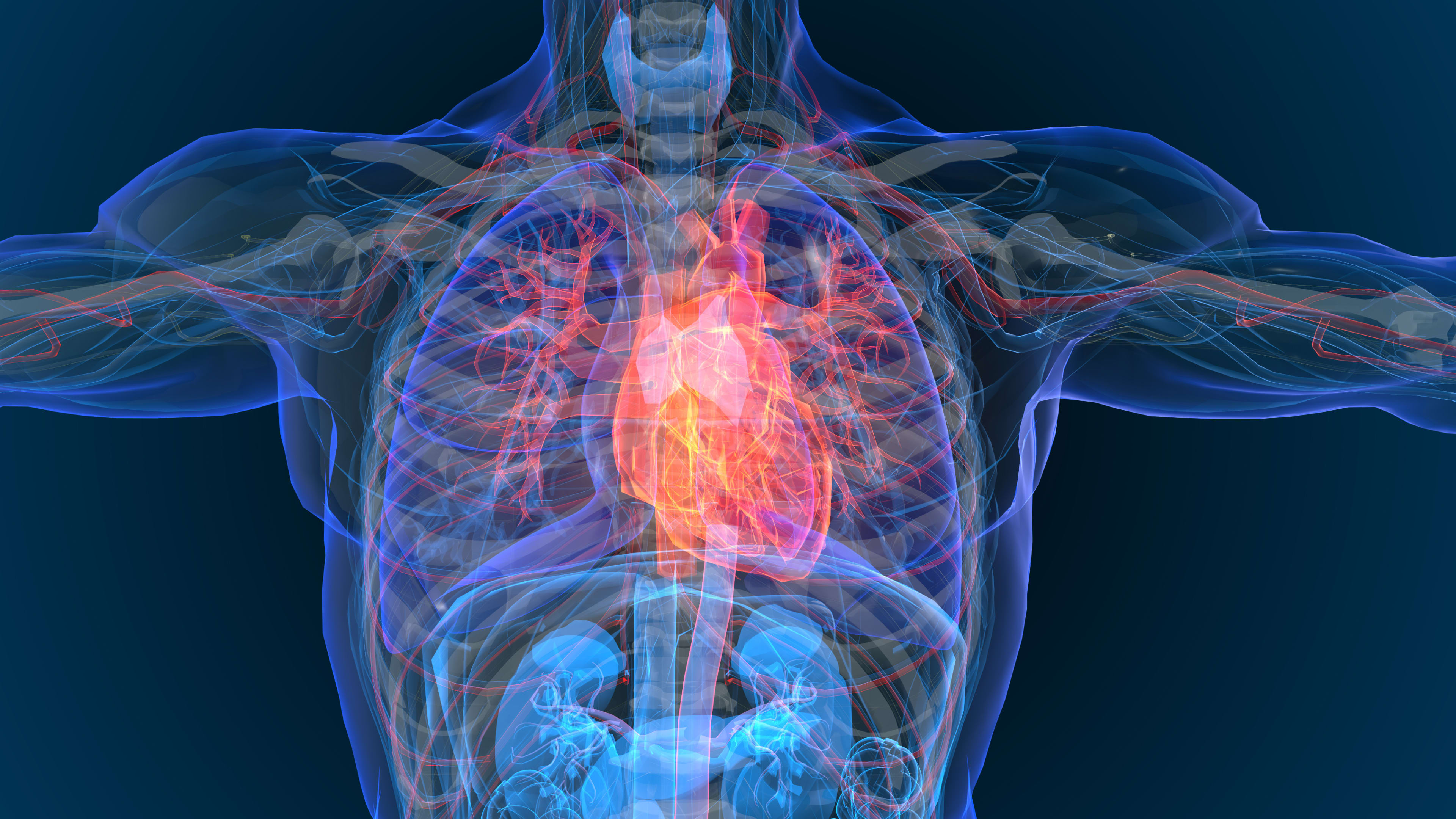
Clinical Report: Cardiovascular Risks of Snow Shoveling Activities
Overview
Snow shoveling significantly increases cardiac workload, comparable to intense exercise, and combined with cold-induced vasoconstriction, raises the risk of heart attack, stroke, or cardiac arrest. Recent reports include multiple snow-removal related deaths, particularly among older adults and those with pre-existing cardiovascular conditions.
Background
Snow shoveling is a physically demanding activity that can acutely stress the cardiovascular system. Cold temperatures cause blood vessels to constrict, elevating blood pressure and cardiac workload. Individuals with known heart disease, prior heart attacks, or cardiovascular risk factors are especially vulnerable. Even apparently healthy but sedentary individuals may face increased risk during snow removal in cold weather.
Data Highlights
Pennsylvania health officials reported three snow-removal related deaths in individuals aged 60 to 84. Research indicates that short durations of snow shoveling can elevate heart workload to levels seen during major exercise sessions. Cold-induced vasoconstriction further increases blood pressure and cardiac risk.
Key Findings
Snow shoveling can make the heart work as hard as during intense physical exercise.
Cold temperatures cause vasoconstriction, raising blood pressure and cardiac risk.
Older adults and those with heart disease or risk factors are at increased risk of cardiac events during snow removal.
Even healthy but sedentary individuals may experience cardiac complications due to exertion in cold weather.
Three snow-removal related deaths were reported in Pennsylvania among individuals aged 60 to 84.
Advisory recommends slow pace and pushing snow rather than lifting to reduce cardiac strain.
Clinical Implications
Clinicians should counsel patients, especially those with cardiovascular risk factors or disease, on the dangers of snow shoveling and advise on safer techniques such as pacing and pushing snow. Awareness of heart attack warning signs and prompt emergency response are critical. Preventive strategies should include avoiding overexertion during cold weather activities.
Conclusion
Snow shoveling poses a significant cardiovascular risk due to heavy exertion combined with cold-induced physiological changes. Appropriate precautions and patient education can mitigate the risk of serious cardiac events during snow removal.
References
Associated Press Health and Science Department -- The Health Risks Associated with Snow Shoveling Activities
A 40-year-old man presented with palpitations and dizziness that had been ongoing for several days. EMS found that he was in sustained monomorphic ventricular tachycardia and performed cardioversion to restore regular heart rhythm. In conversation with care providers, the patient recalled a prior episode of chest pain that had lasted for several days. He was brought to Temple Health for further care.