Conexiant’s news site is now MDSpire News. Learn more
Advertisement
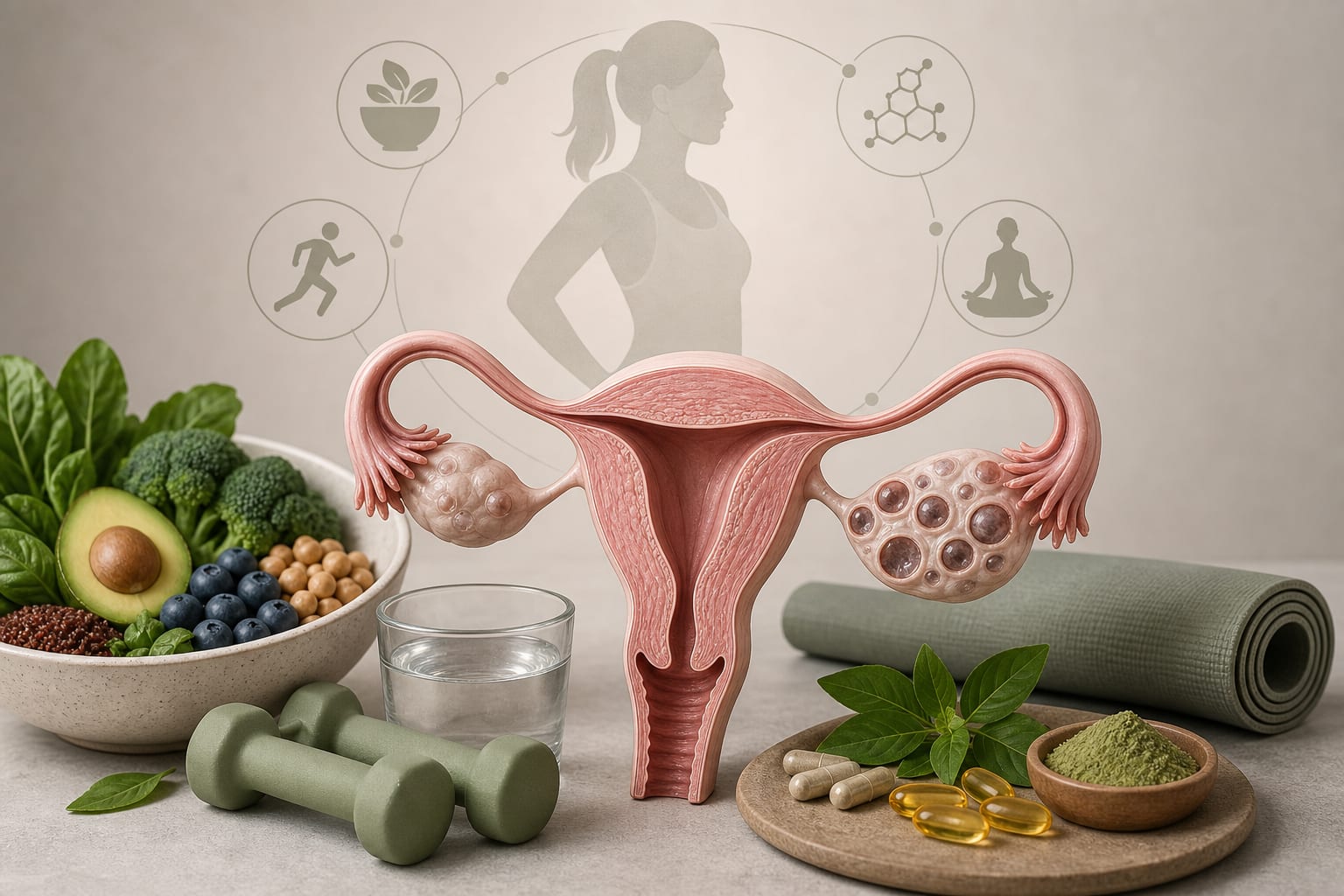
Incorporating Evidence-Based Lifestyle Modifications and Supportive Therapies for the Long-Term Management of Polycystic Ovary Syndrome: Insights into Mechanisms and Clinical Significance
Clinical Report: Evidence-Based Lifestyle Modifications in PCOS Management
Overview
This report evaluates the role of lifestyle modifications and adjunct therapies in managing polycystic ovary syndrome (PCOS). Evidence suggests that dietary interventions, physical activity, and psychological support can significantly improve metabolic and hormonal outcomes in affected individuals.
Background
Polycystic ovary syndrome (PCOS) is a prevalent endocrine disorder affecting 6%–13% of reproductive-aged women, leading to various reproductive and metabolic complications. Current management strategies primarily focus on symptom relief, which may not address the underlying pathophysiology. Understanding the potential of lifestyle modifications and adjunct therapies is crucial for improving long-term outcomes in PCOS.
Data Highlights
No numerical data available in the provided source material.
Key Findings
Lifestyle modifications, including dietary changes and physical activity, can improve metabolic parameters in PCOS.
Dietary approaches such as Mediterranean, low-glycemic index, and ketogenic diets enhance insulin sensitivity.
Structured physical activity, including aerobic and resistance training, positively impacts metabolic and hormonal outcomes.
Nutraceuticals and phytochemicals may help modulate insulin signaling and inflammation.
Psychological interventions like mindfulness-based therapy can alleviate psychosocial burdens and improve treatment adherence.
Complementary cultural systems, such as Ayurveda and Traditional Chinese Medicine, offer supportive approaches in PCOS management.
Clinical Implications
Healthcare providers should consider integrating lifestyle modifications and adjunct therapies into the management plans for PCOS patients. A personalized approach that includes dietary changes, physical activity, and psychological support may enhance treatment efficacy and patient adherence.
Conclusion
Incorporating evidence-based lifestyle modifications alongside conventional therapies is essential for the effective long-term management of PCOS. Further research is needed to validate these strategies and establish standardized protocols.