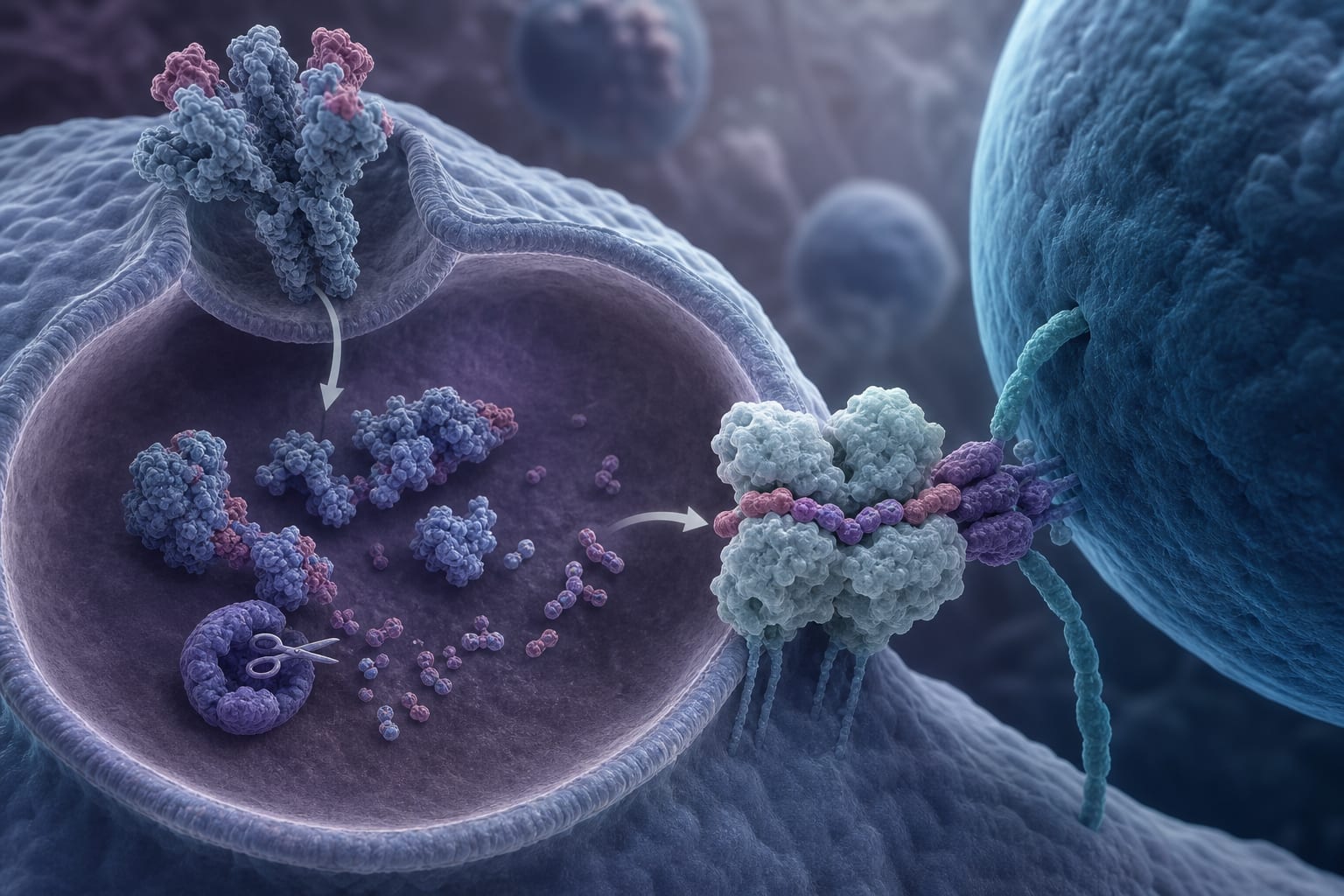
Clinical Report: Utilizing Bacillus Calmette-Guérin as an Adjuvant to Boost the Immunogenic Response to Conserved Epitopes from SARS-CoV-2 Structural Proteins
Overview
This study investigates the use of Bacillus Calmette-Guérin (BCG) as an adjuvant to enhance the immunogenic response to conserved epitopes from SARS-CoV-2 structural proteins.
Background
The COVID-19 pandemic has highlighted the need for effective vaccines against SARS-CoV-2, particularly as variants emerge. Targeting conserved epitopes from structural proteins may provide a more stable vaccine approach.
Data Highlights
Study Findings
Five synthetic peptides recognized by sera from convalescent patients.
BCG–peptide formulations activated the MAPK pathway in vitro.
In vivo, immunized mice showed increased levels of IL-6, TNF-α, and IFN-γ.
Splenocytes from vaccinated mice secreted high cytokine levels upon restimulation.
In silico modeling indicated stable and non-allergenic multiepitope constructs.
Key Findings
Dot blot assays confirmed peptide recognition by convalescent sera.
Immunized mice exhibited modulation of IgG subclasses.
High cytokine production was observed in response to restimulation of splenocytes.
Clinical Implications
The findings suggest that BCG could be an effective adjuvant for vaccines targeting conserved SARS-CoV-2 epitopes, potentially leading to improved immune responses. Further research is necessary to evaluate the clinical application of these formulations in human populations.
Conclusion
BCG–epitope formulations show promise as next-generation vaccine candidates against SARS-CoV-2, warranting further investigation into their efficacy and safety in clinical settings.
by Ana de Souza Santos, Leonardo Pereira de Araújo, Diego Jose Belato Orts, Hernan Hermes Monteiro da Costa, Kely Catarine Matteucci, Evandro Neves Silva, Karen Cristina Oliveira, Giovane Galdino, Carlos Roberto Prudencio, Patrícia Paiva Corsetti, Leonardo Augusto de Almeida