Clinical Report: Assessing the Trustworthiness and Quality of Osteoporosis Information
Overview
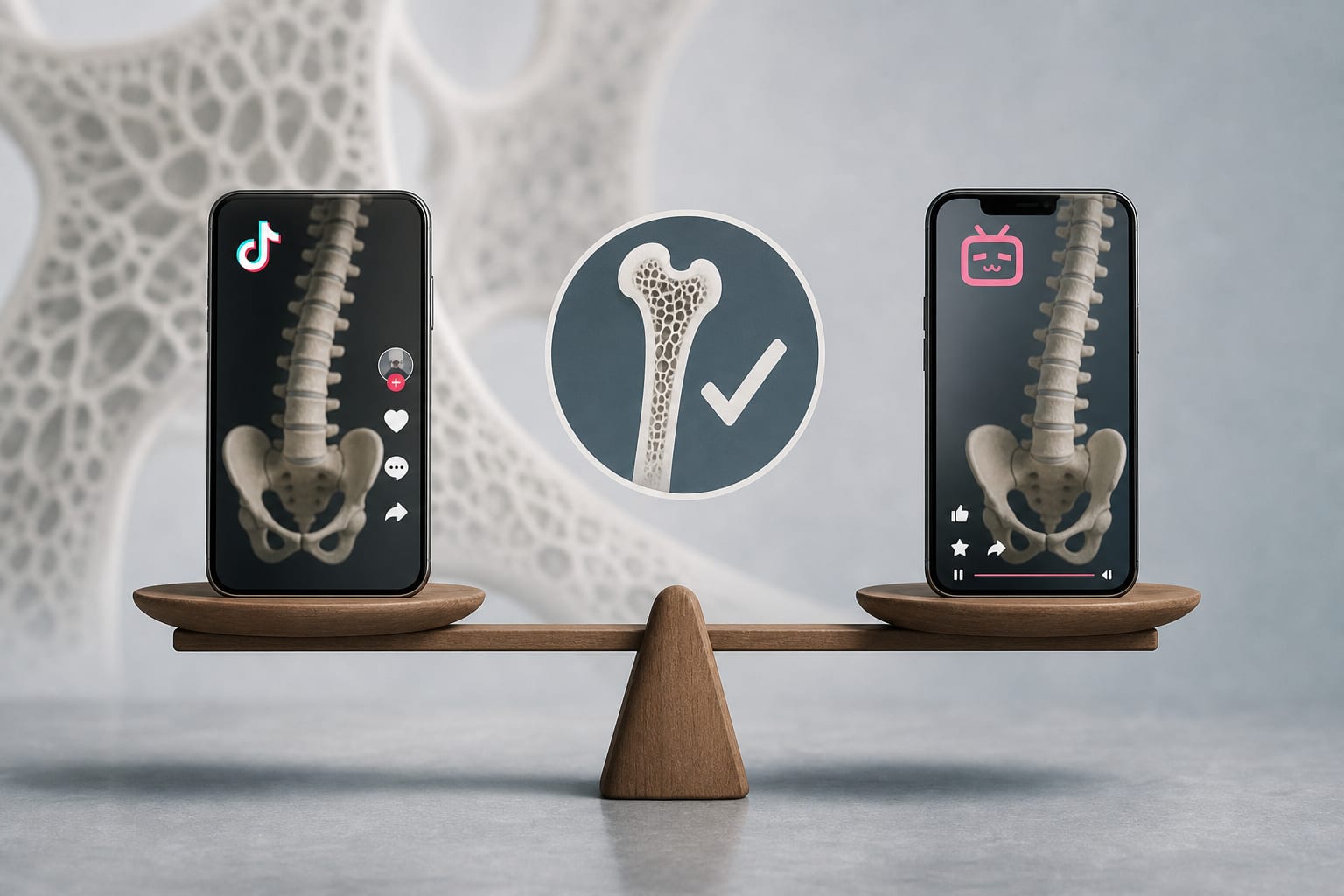
This study evaluates the quality of osteoporosis-related videos on TikTok and Bilibili, highlighting significant discrepancies in information quality between platforms and uploader types. The findings underscore the importance of scrutinizing health information on social media to prevent misinformation.
Background
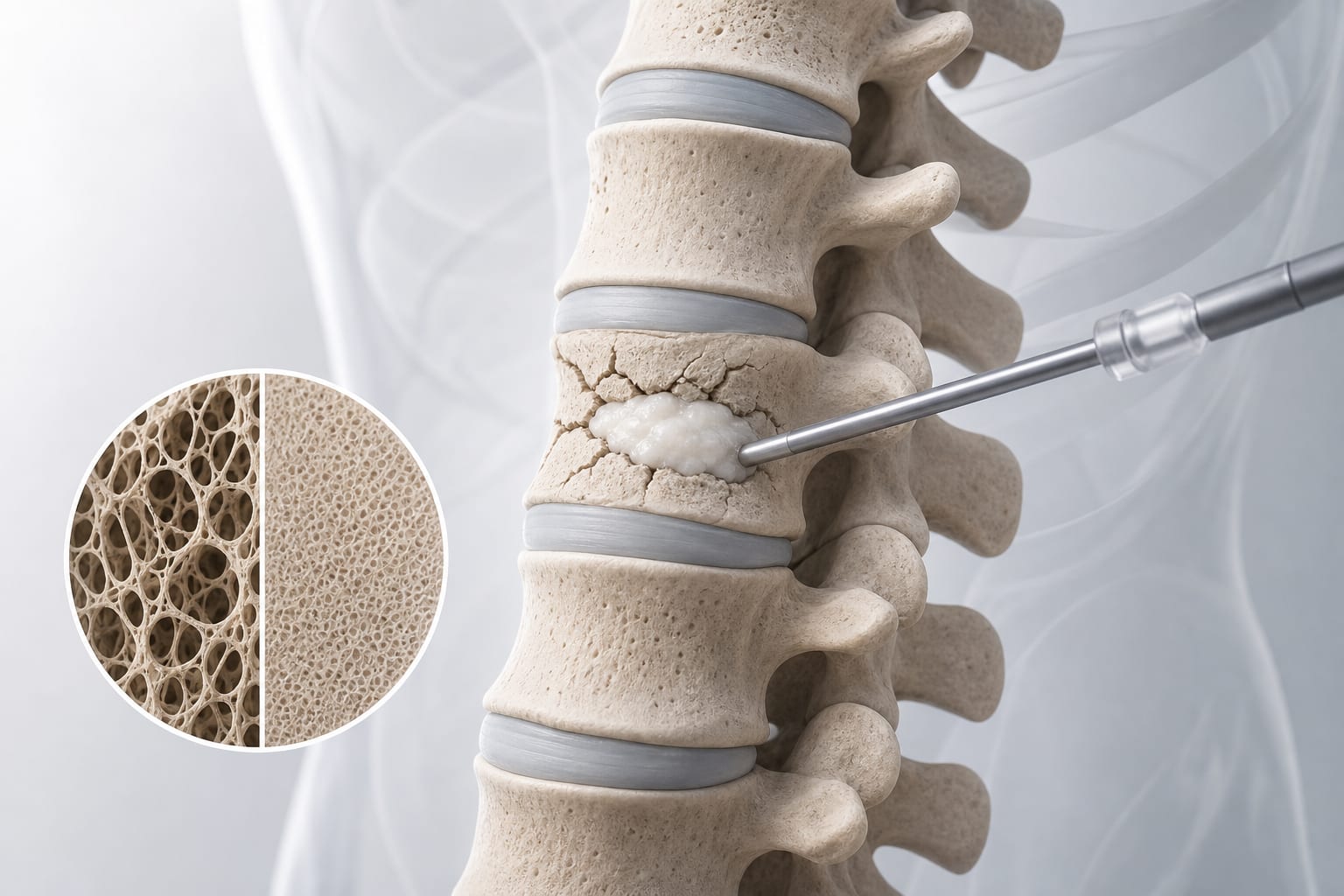
Osteoporosis is a prevalent metabolic bone disease that leads to increased fracture risk, particularly among older adults. Despite its significant public health implications, many individuals remain undiagnosed until a fracture occurs, emphasizing the need for effective health communication strategies. The rise of social media platforms as sources of health information necessitates a critical evaluation of the quality and trustworthiness of the content being disseminated.
Data Highlights
No numerical data available in the source material.
Key Findings
Osteoporosis-related videos on TikTok and Bilibili exhibit significant variability in quality.
Professional uploaders generally provide higher quality information compared to nonprofessional sources.
The Global Quality Score (GQS) and modified DISCERN (mDISCERN) instruments were utilized to assess video quality.
There is a notable lack of standardized health information on social media platforms.
Content quality directly influences user engagement and trust in health information.
Clinical Implications
Healthcare professionals should be aware of the potential for misinformation on social media platforms and consider guiding patients toward reliable sources of health information. Encouraging critical evaluation of online content can help mitigate the risks associated with misleading health information.
Conclusion
The study highlights the urgent need for improved quality control in health-related social media content, particularly regarding osteoporosis. Enhanced strategies for disseminating accurate health information are essential for effective public health communication.
Higher annual oral corticosteroid exposure was associated with greater odds of systemic adverse events, with avascular bone necrosis and pneumonia showing dose-dependent associations with cumulative dose and osteoporosis associated with longer annual exposure duration.