Clinical Report: Next-generation Graft Health Monitoring
Overview
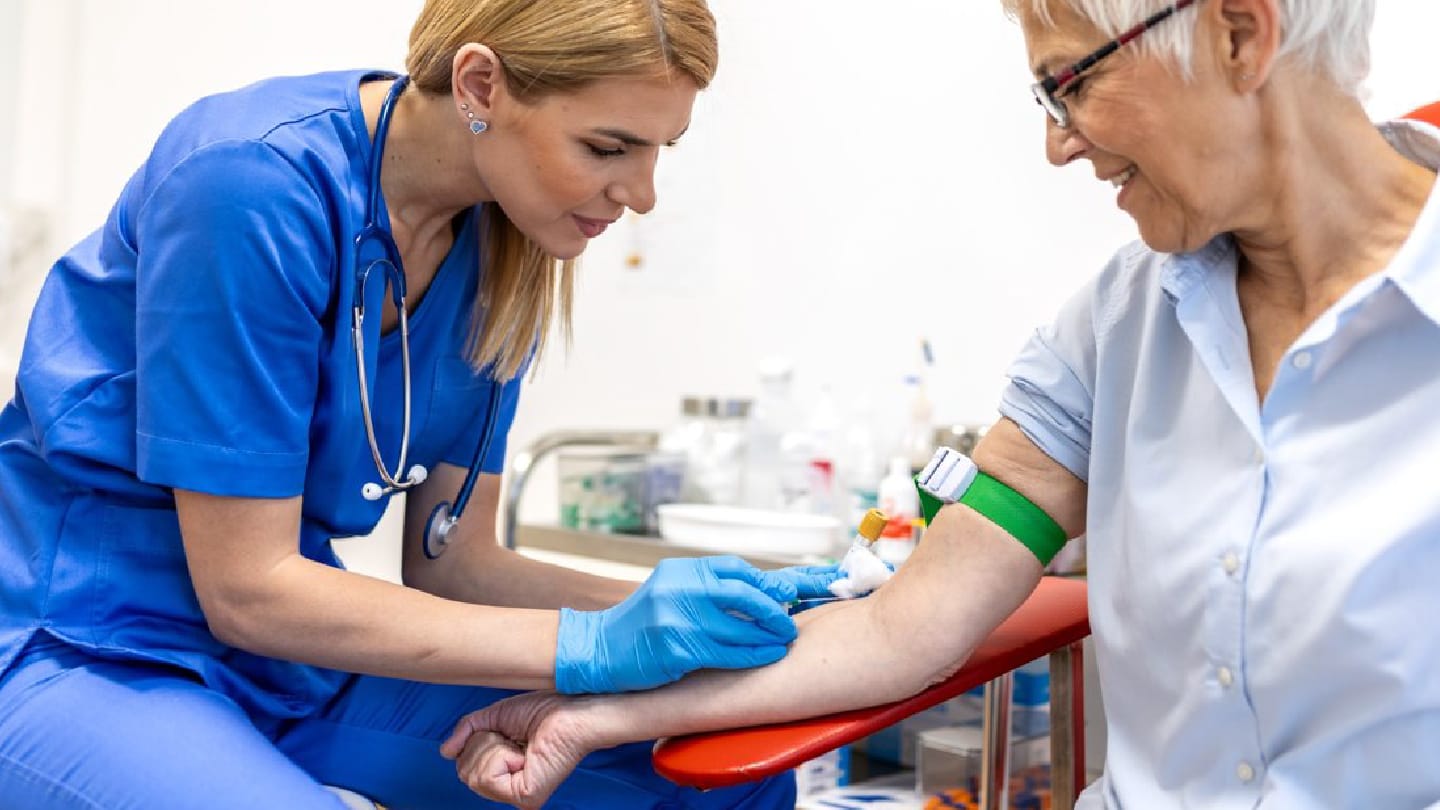
This report discusses the potential of donor-derived cell-free DNA (dd-cfDNA) as a non-invasive alternative for monitoring graft health post-heart transplantation. With a high negative predictive value, dd-cfDNA could reduce the need for invasive endomyocardial biopsies, improving patient care.
Background
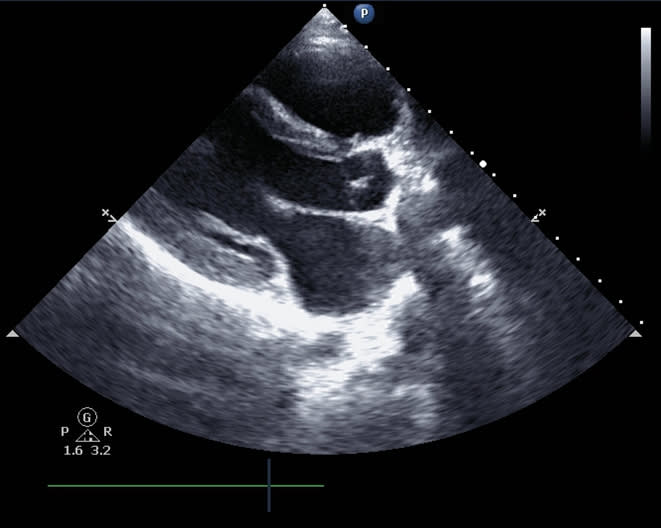
Acute graft rejection is a significant concern in heart transplantation, affecting 30 to 45 percent of patients. Current monitoring methods, including endomyocardial biopsy, are invasive and costly, highlighting the need for less invasive alternatives. The exploration of dd-cfDNA as a biomarker for graft health represents a promising advancement in post-transplant care.
Data Highlights
Observational studies indicate that dd-cfDNA has a high negative predictive value of 97%, making it an effective rule-out test for acute rejection.
Key Findings
Acute graft rejection rates in heart transplantation range from 30 to 45%.
dd-cfDNA is released into the bloodstream primarily due to apoptosis during acute injury.
A low dd-cfDNA level is reassuring, while elevated levels indicate potential graft issues.
Standardization of dd-cfDNA cut-off values is needed across laboratories for consistent results.
The Royal Papworth Hospital is piloting a study to evaluate dd-cfDNA for post-transplant monitoring.
Clinical Implications
The transition to dd-cfDNA testing could significantly reduce the frequency of invasive procedures, enhancing patient comfort and compliance. Clinicians should stay informed about the evolving guidelines and evidence supporting dd-cfDNA in graft monitoring.
Conclusion
dd-cfDNA presents a promising non-invasive alternative for monitoring graft health in heart transplant patients. Continued research and standardization are essential for its widespread clinical adoption.