Clinical Report: Is This the New Norm?: Large Pupils and Visual Performance
Overview
This report discusses the impact of large pupil size on visual performance, particularly in low-light conditions. A clinical case illustrates how pupil dilation can lead to significant visual disturbances, affecting daily activities such as night driving.
Background
Pupil size is a critical factor influencing visual quality, especially under dim lighting conditions. Larger pupils can exacerbate optical aberrations, leading to decreased contrast sensitivity and increased glare. Understanding the relationship between pupil size and visual performance is essential for optimizing patient care, particularly for those experiencing night vision difficulties.
Data Highlights
No numerical data provided in the article.
Key Findings
A 44-year-old female patient experienced significant night vision difficulties due to large pupil size.
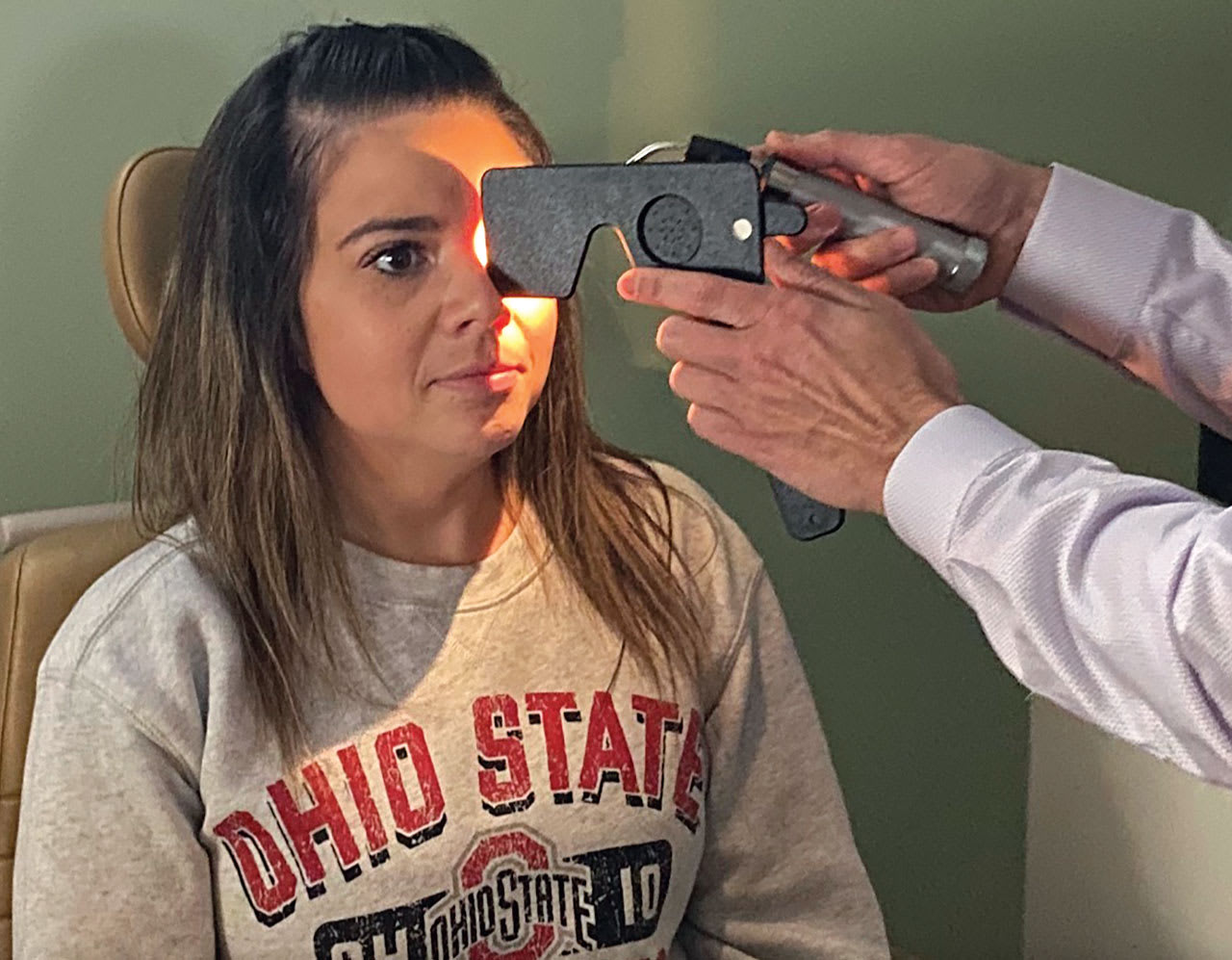
Testing acuity in low illumination with a light in the nontested eye can reveal pupil-related vision issues.
Pupil constriction can enhance depth of focus, benefiting presbyopic patients.
Brimonidine can effectively reduce pupil dilation in low-light conditions, improving night vision.
Pharmacologic and optical strategies for managing pupil size are evolving, offering tailored interventions for patients.
Clinical Implications
Clinicians should consider pupil size when evaluating patients with visual complaints, particularly in low-light situations. Simple tests can help identify whether pupil dilation is contributing to visual disturbances, allowing for targeted therapeutic interventions.
Conclusion
As larger pupils may become more common, understanding their impact on visual performance is crucial for effective patient management. Continued research and clinical strategies are needed to address the challenges posed by pupil size in vision care.
The Ophthalmic ASC spoke with 4 ophthalmologists about the criteria they use for choosing monofocal, toric, multifocal, extended depth of focus (EDOF), and/or presbyopia-correcting intraocular lenses (PCIOLs). They also shared unmet needs in current IOL technology, what their ideal IOL would be if they could design one, and more.
This no-fee CE article reviews the multiple factors that a practitioner should consider when fitting specialty contact lenses in order to optimize visual outcomes, patient comfort, and ocular health.