Human NKT10 cells are enriched in cord-derived invariant natural killer T cells and mediate immune-regulation in a xenogeneic graft-versus-host disease model - Report - MDSpire

Human NKT10 cells are enriched in cord-derived invariant natural killer T cells and mediate immune-regulation in a xenogeneic graft-versus-host disease model

  • By

  • Abel Trujillo-Ocampo

  • Pamella Borges

  • Maison Grefe

  • Martiela Vaz de Freitas

  • Sung-Eun Lee

  • Yuan Qi

  • Jelita Clinton

  • Dan Li

  • Hong He

  • Ling Yu

  • Arnau Peris-Cuesta

  • Erik A. Ehli

  • Qing Ma

  • Xiaoping Su

  • Dinler Amaral Antunes

  • Gheath Al-Atrash

  • Jeffrey J. Molldrem

  • Elizabeth J. Shpall

  • Jin S. Im

  • June 10, 2026

  • 0 min

Share

Clinical Report: Enrichment of NKT10 Cells from Cord-Derived iNKT Cells

Overview

This study characterizes human NKT10 cells derived from cord blood and explores their immunoregulatory potential in allogeneic stem cell transplantation. Findings indicate that these cells exhibit a distinct gene expression profile and can suppress alloreactive T cell proliferation.

Background

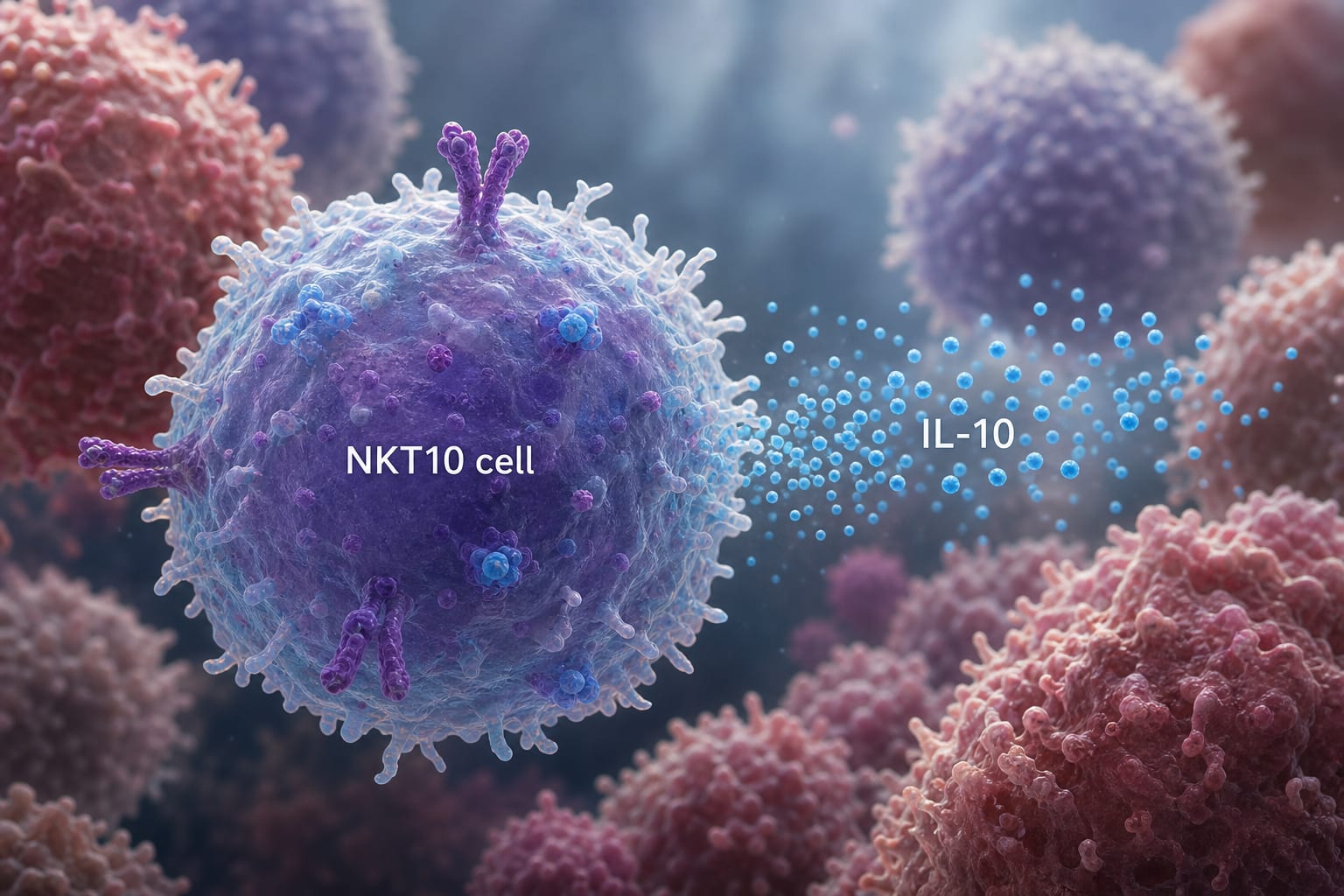
Invariant natural killer T (iNKT) cells are crucial in modulating immune responses, influencing both inflammation and immune suppression. The NKT10 subset, which produces IL-10, is particularly important for immune regulation. Understanding the characteristics and functions of human NKT10 cells is essential.

Data Highlights

No numerical data provided in the source material.

Key Findings

  • Cord-derived iNKT cells have a high frequency of CD4+CD25+CD161lowFoxP3+ iNKT cells.
  • These cells show Th2/Th10-biased cytokine production upon antigenic stimulation.
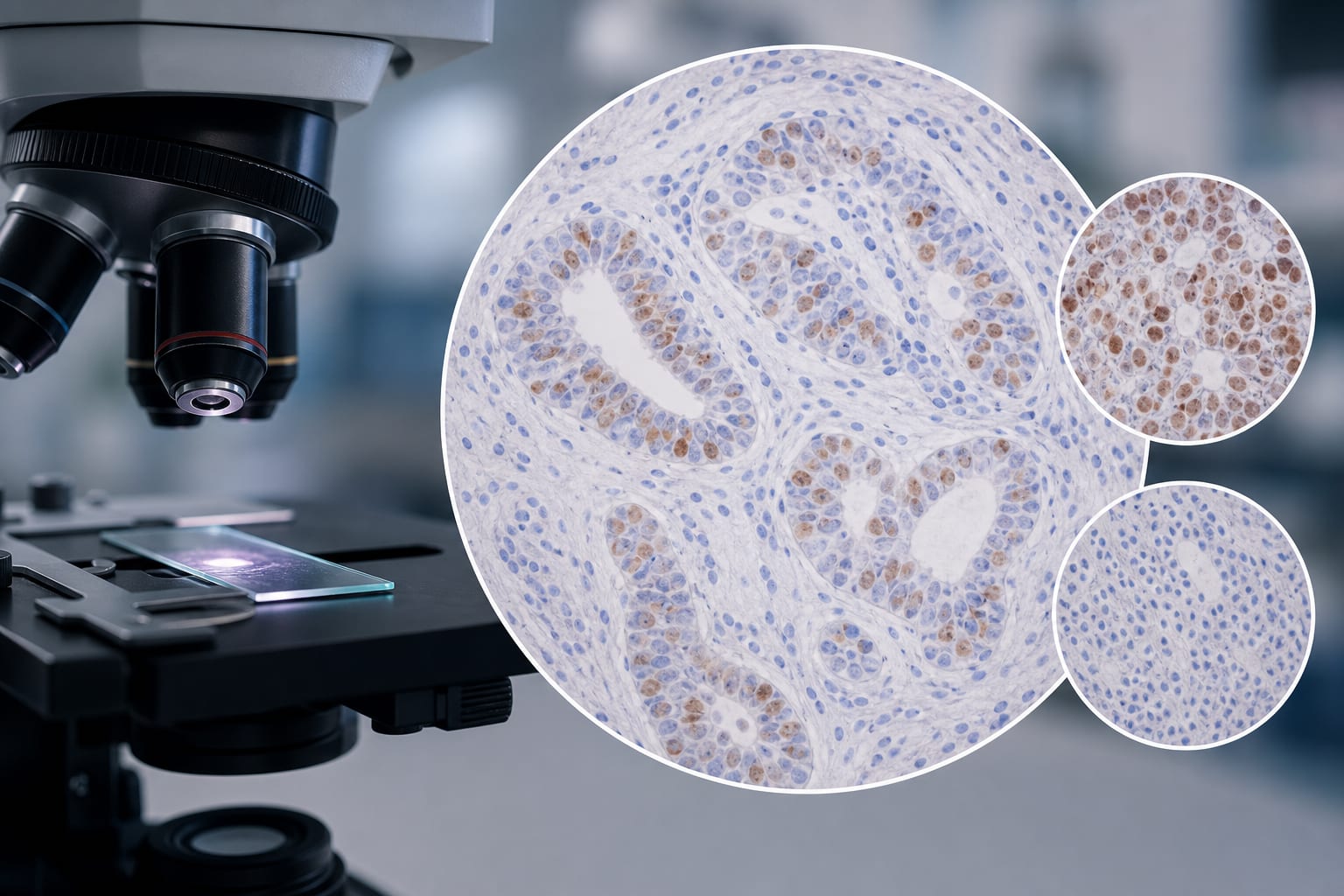
  • Single-cell RNA sequencing confirmed the presence of an NKT10-like subset enriched with immunoregulatory pathways.
  • Cord-derived iNKT cells suppressed alloreactive T cell proliferation in vitro.
  • In a xenogeneic graft-versus-host disease model, these cells ameliorated disease severity in NSG mice.

Clinical Implications

Further research is warranted to explore the characteristics of NKT10-enriched, cord-derived iNKT cells.

Conclusion

NKT10-enriched, cord-derived iNKT cells have been characterized in the context of graft-versus-host disease.

Related Resources & Content

  1. JCI, JCI, 2023 -- IL-10–producing NKT10 cells are a distinct regulatory invariant NKT cell subset
  2. Bone Marrow Transplantation — Restoration of Natural Killer Cell Receptor Diversity Following Transplantation: Is Timing the Key Factor?
  3. Bone Marrow Transplantation — Depletion of CD276+ Cells from Haploidentical Memory T-Cell Grafts Reduces GVHD Risk
  4. The ASCO Post — MHC-Matched Graft-vs-Host Disease Requires Recipient Intestinal Barrier Loss and Natural Killer Cell Inactivation
  5. Bone Marrow Transplantation — Treg Cell Therapy as a Treatment for Graft-versus-Host Disease
  6. Clinical Management of Acute Graft-Versus-Host Disease: An Evidence-Based Review
  7. RGI-2001 for the prophylaxis of acute graft-versus-host disease after allogeneic HCT
  8. JCI - IL-10–producing NKT10 cells are a distinct regulatory invariant NKT cell subset

Original Source(s)

Related Content