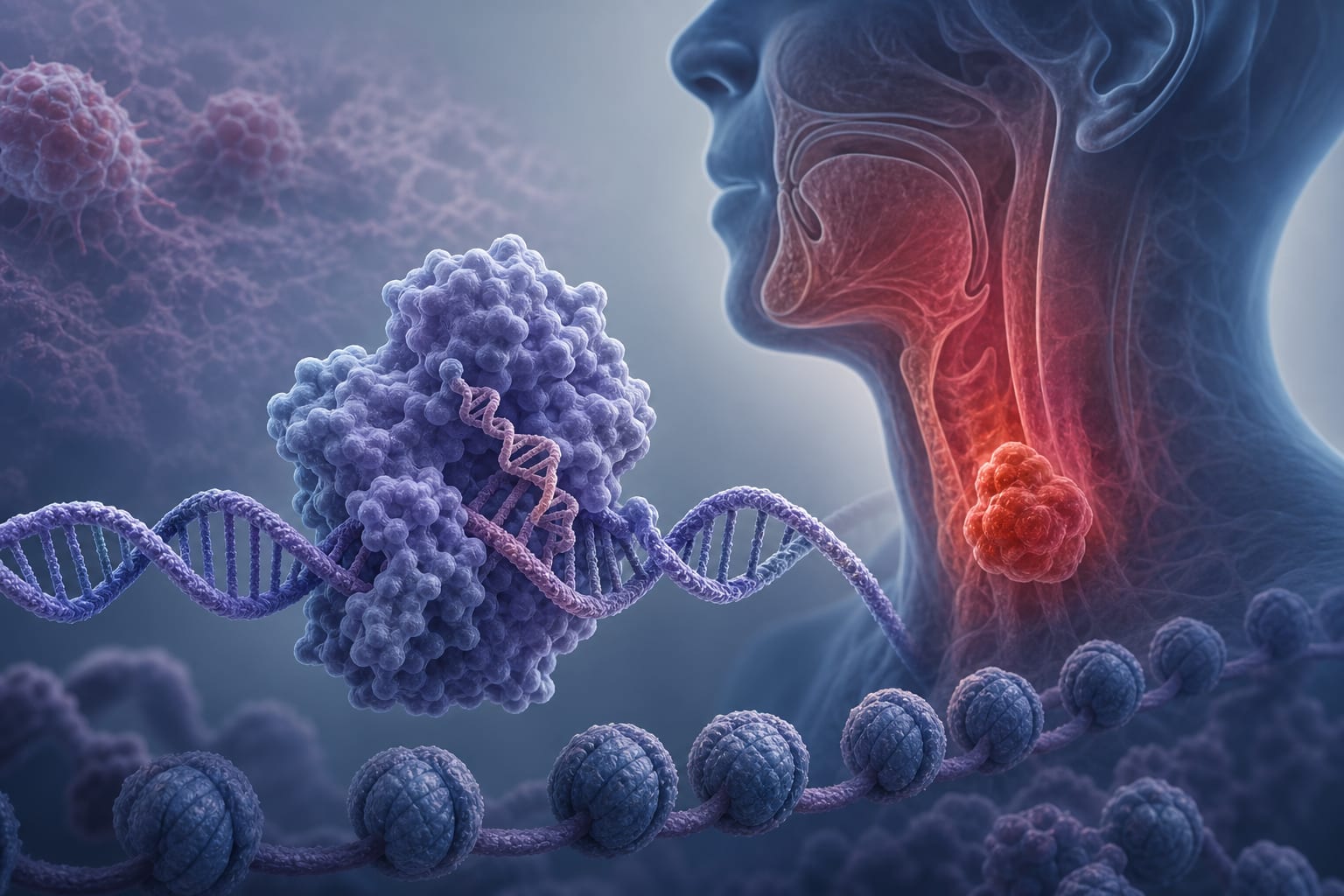
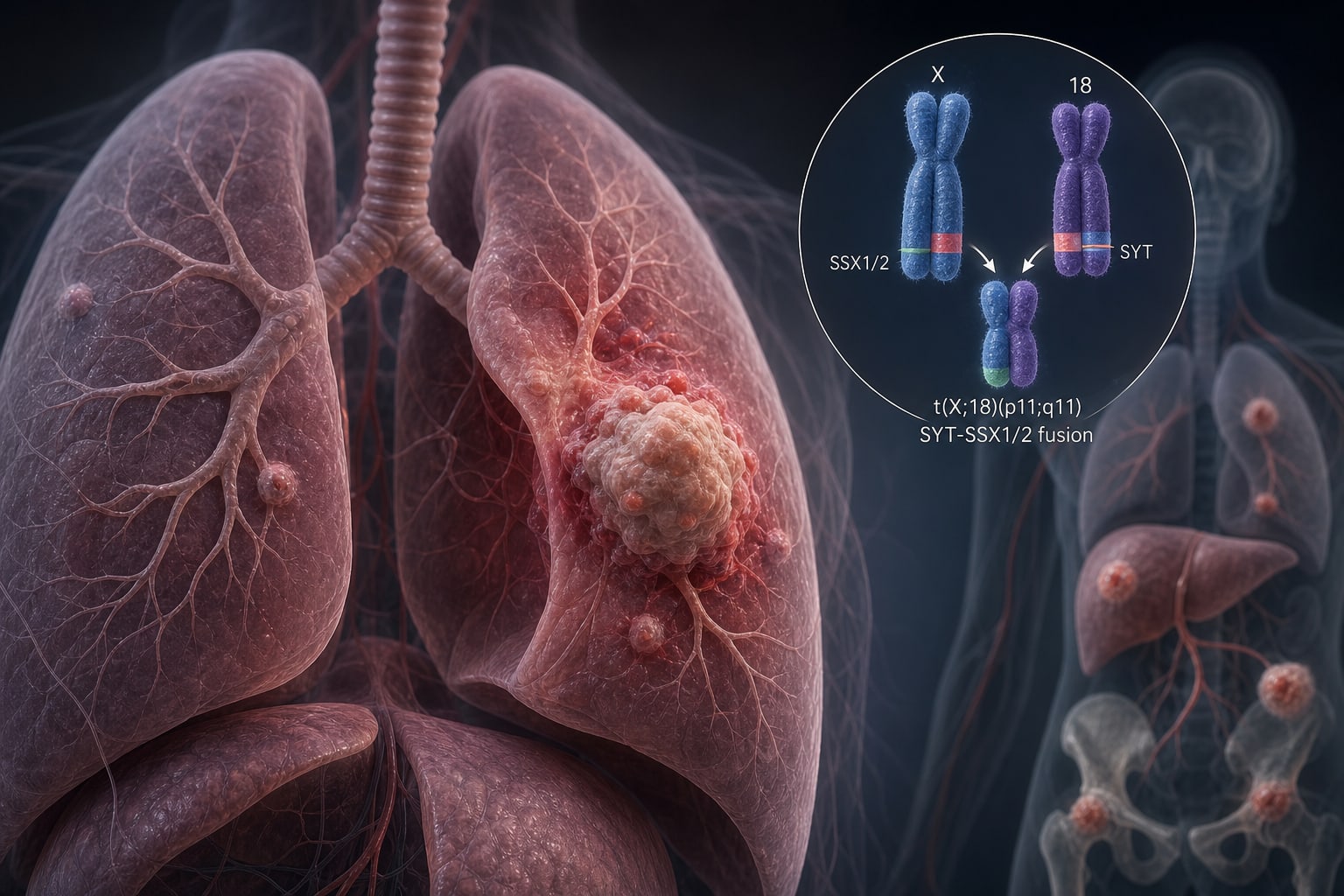
Clinical Report: Dysregulation of HOX Genes in Head and Neck Squamous Cell Carcinoma
Overview
This report highlights the significant dysregulation of HOX genes in head and neck squamous cell carcinoma (HNSCC), which plays a critical role in tumor biology. The findings emphasize the potential of HOX genes as biomarkers and therapeutic targets, while identifying key gaps in current understanding.
Background
Head and neck squamous cell carcinoma (HNSCC) is a prevalent malignancy with poor prognosis due to late-stage diagnosis and molecular heterogeneity. The dysregulation of HOX genes, which are crucial for cellular processes, has been implicated in tumor initiation and progression. Understanding these alterations is essential for developing targeted therapies and improving patient outcomes.
Data Highlights
No specific numerical data or trial results were provided in the source material.
Key Findings
HOX genes are master regulators of embryonic development and are involved in critical cellular processes such as proliferation and differentiation.
Dysregulation of HOX genes in HNSCC can lead to the reactivation of embryonic developmental programs, contributing to tumorigenesis.
HOX genes may function as either oncogenes or tumor suppressors depending on the cellular context.
Current evidence suggests that HOX gene expression varies across different anatomical subsites and molecular subtypes of HNSCC.
There is a need for further research to elucidate the mechanisms governing HOX gene regulation in HNSCC.
Clinical Implications
The dysregulation of HOX genes presents a potential avenue for developing novel biomarkers and therapeutic strategies in HNSCC. Clinicians should consider the context-dependent roles of these genes when evaluating treatment options and patient prognosis.
Conclusion
The insights into HOX gene dysregulation in HNSCC underscore their relevance as potential biomarkers and therapeutic targets, warranting further investigation to enhance clinical outcomes.
by Norma Carolina Hernandez-Bautista, Claudia Altamirano-Torres, Jose Manuel Vazquez-Guillen, Reyes S. Tamez-Guerra, Cristina Rodríguez-Padilla, Diana Resendez-Perez