Hypogammaglobulinaemia in Rituximab-Treated Individuals with AAV
Overview
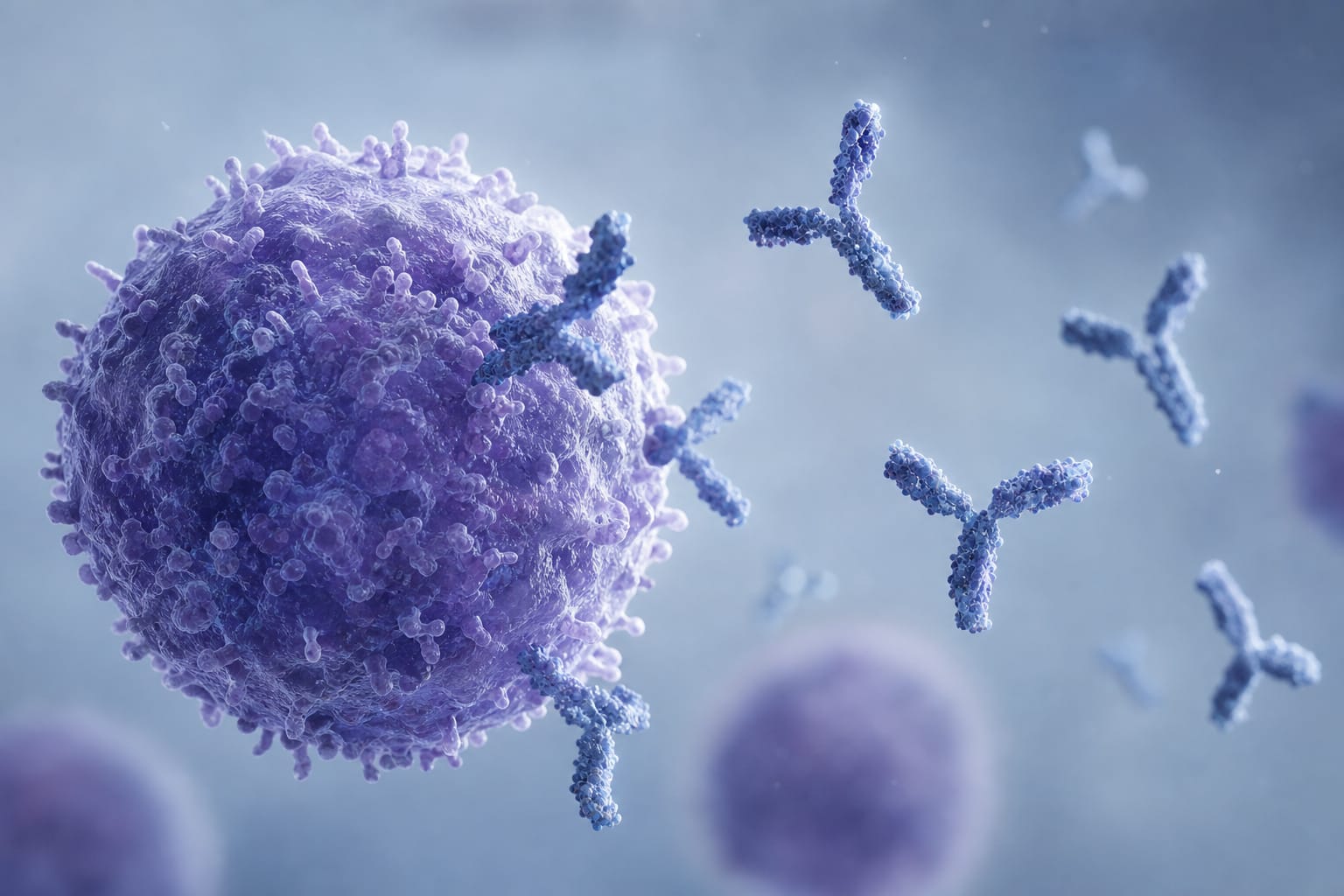
This population-based study from Sweden found that hypogammaglobulinaemia (HG) occurred in 45% of rituximab-treated patients with ANCA-associated vasculitis (AAV). A lower baseline IgG level was identified as an independent predictor of HG development, although HG was not associated with an increased risk of severe infections.
Background
ANCA-associated vasculitides (AAV) are rare but serious inflammatory diseases affecting small and medium-sized blood vessels. Rituximab (RTX) has emerged as a key treatment option, but its use can lead to complications such as hypogammaglobulinaemia (HG), which may impact patient outcomes. Understanding the incidence and predictors of HG in this population is crucial for optimizing patient management and monitoring.
Data Highlights
Finding
Value
Incidence of HG
45% (38 patients)
Incidence rate of HG
16.1 per 100 person-years
Mild HG cases
68% (26 patients)
Moderate HG cases
26% (10 patients)
Severe HG cases
5% (2 patients)
Median time to HG development
3.5 months
Key Findings
HG occurred in 45% of RTX-treated patients with AAV.
Lower baseline IgG levels were an independent predictor of HG development (HR 0.85 per 1 g/L increase).
The median time to HG development was 3.5 months.
Severe infections occurred in 35% of patients, but were not associated with HG.
Among patients who developed HG, 68% had mild HG, 26% moderate, and 5% severe.
Clinical Implications
Clinicians should monitor IgG levels closely in patients receiving rituximab for AAV, especially those with lower baseline levels, to anticipate the risk of hypogammaglobulinaemia. Despite the occurrence of HG, it does not appear to increase the risk of severe infections, which may influence management strategies.
Conclusion
Hypogammaglobulinaemia is a common complication in rituximab-treated AAV patients, necessitating vigilant monitoring of immunoglobulin levels. Understanding its predictors can aid in better patient management.