Clinical Report: Optimizing Outcomes in Prostate Cancer Management
Overview
Expand on CyberKnife technology's benefits regarding treatment duration and side effects.
Background
Prostate cancer remains a leading cause of cancer-related morbidity and mortality among men. The evolution of diagnostic and treatment modalities has transformed patient management, emphasizing the importance of accurate staging and personalized care. Multidisciplinary clinics are crucial in integrating diverse expertise to optimize patient outcomes.
Data Highlights
No specific numerical data provided in the source material.
Key Findings
Genomic testing can reveal aggressive tumor characteristics even in early-stage prostate cancer.
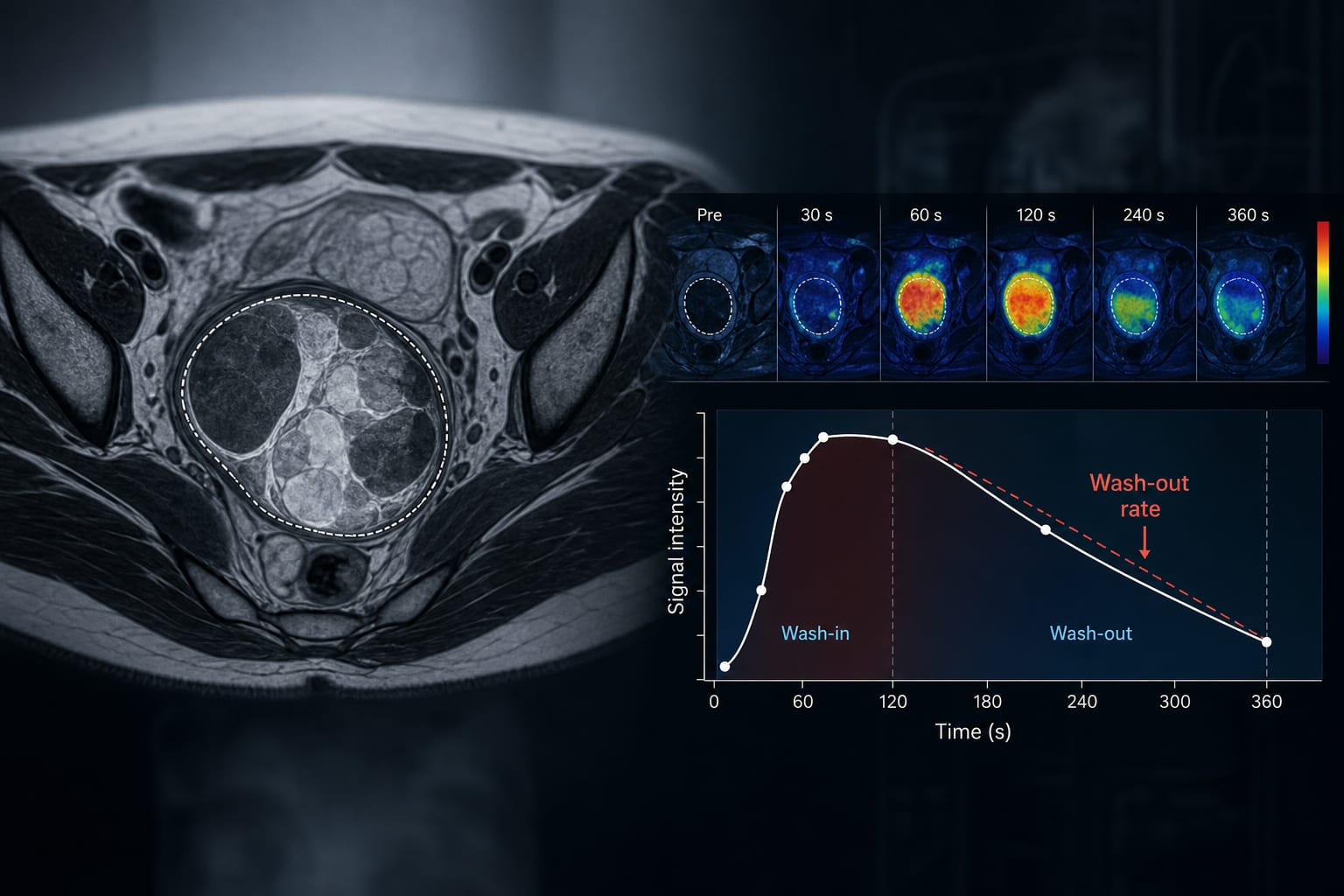
Multiparametric MRI (mpMRI) has improved the accuracy of prostate cancer diagnosis and staging.
PSMA PET scans offer enhanced sensitivity in detecting metastatic lesions compared to traditional imaging.
CyberKnife technology allows for precise radiation delivery, minimizing side effects and treatment duration.
Multidisciplinary clinics streamline patient care by integrating various specialties for comprehensive management.
Clinical Implications
Healthcare professionals should consider the integration of advanced diagnostic tools like mpMRI and PSMA PET in routine practice to enhance prostate cancer management. Additionally, adopting a multidisciplinary approach can lead to more personalized treatment plans, improving patient outcomes.
Conclusion
Reiterate the importance of ongoing research and provide examples of future advancements.