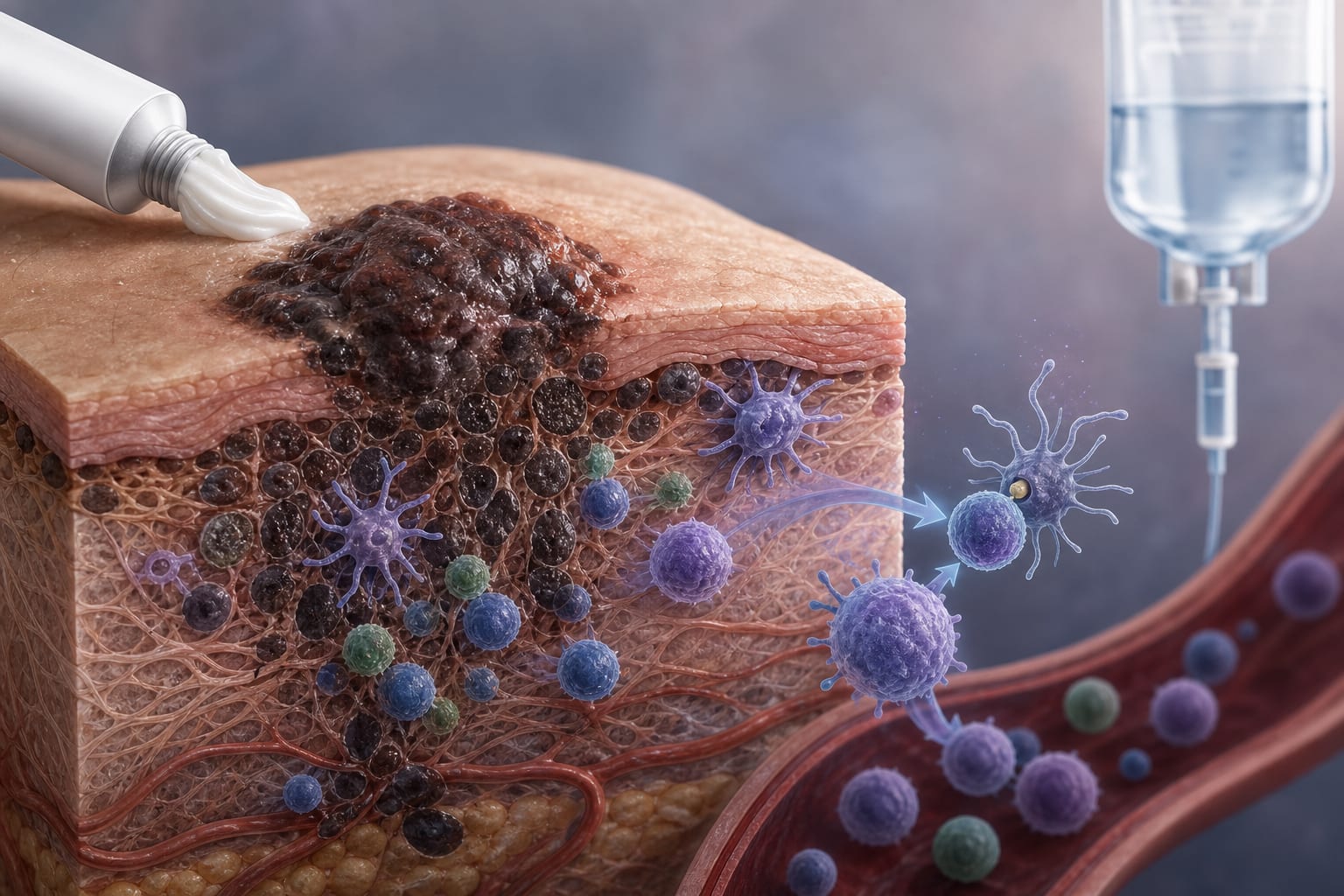
Clinical Report: Metabolic Changes and Immune Alterations Induced by Obesity in RCC
Overview
Obesity significantly alters the renal tumor microenvironment in renal cell carcinoma (RCC), impacting tumor growth and immune responses. These changes are mediated through metabolic rewiring and inflammatory processes that promote immunosuppression and angiogenesis.
Background
Renal cell carcinoma (RCC) is a prevalent and lethal malignancy, with clear cell RCC being the most common subtype. The association between obesity and RCC is complex, as obesity not only increases the risk of developing RCC but also influences tumor biology and treatment outcomes. Understanding the immunometabolic interactions in RCC is crucial for developing effective therapeutic strategies.
Data Highlights
No specific numerical data available in the source material.
Key Findings
Obesity transforms the renal tumor microenvironment through metabolic and inflammatory changes.
Increased levels of leptin, resistin, IL-1β, IL-6, IL-8, and VEGF promote tumor growth and immunosuppression.
Obesity is associated with the recruitment of myeloid-derived suppressor cells (MDSCs) and regulatory T cells, reinforcing an immunosuppressive state.
The obesity paradox suggests that higher BMI may correlate with improved outcomes in certain RCC cohorts, complicating treatment responses.
Host metabolism significantly influences the efficacy of immunotherapy in RCC, highlighting the need for personalized treatment approaches.
Clinical Implications
Clinicians should consider the metabolic status of RCC patients, as obesity can influence treatment outcomes and immune responses. Incorporating assessments of body composition and systemic inflammation may enhance the management of RCC and inform clinical trial designs.
Conclusion
Obesity plays a critical role in shaping the immunometabolic landscape of renal cell carcinoma, impacting both tumor progression and treatment efficacy. Further research is needed to elucidate these interactions and improve therapeutic strategies.