Clinical Report: Interactions of Synaptic Proteins in Neurological Disorders
Overview
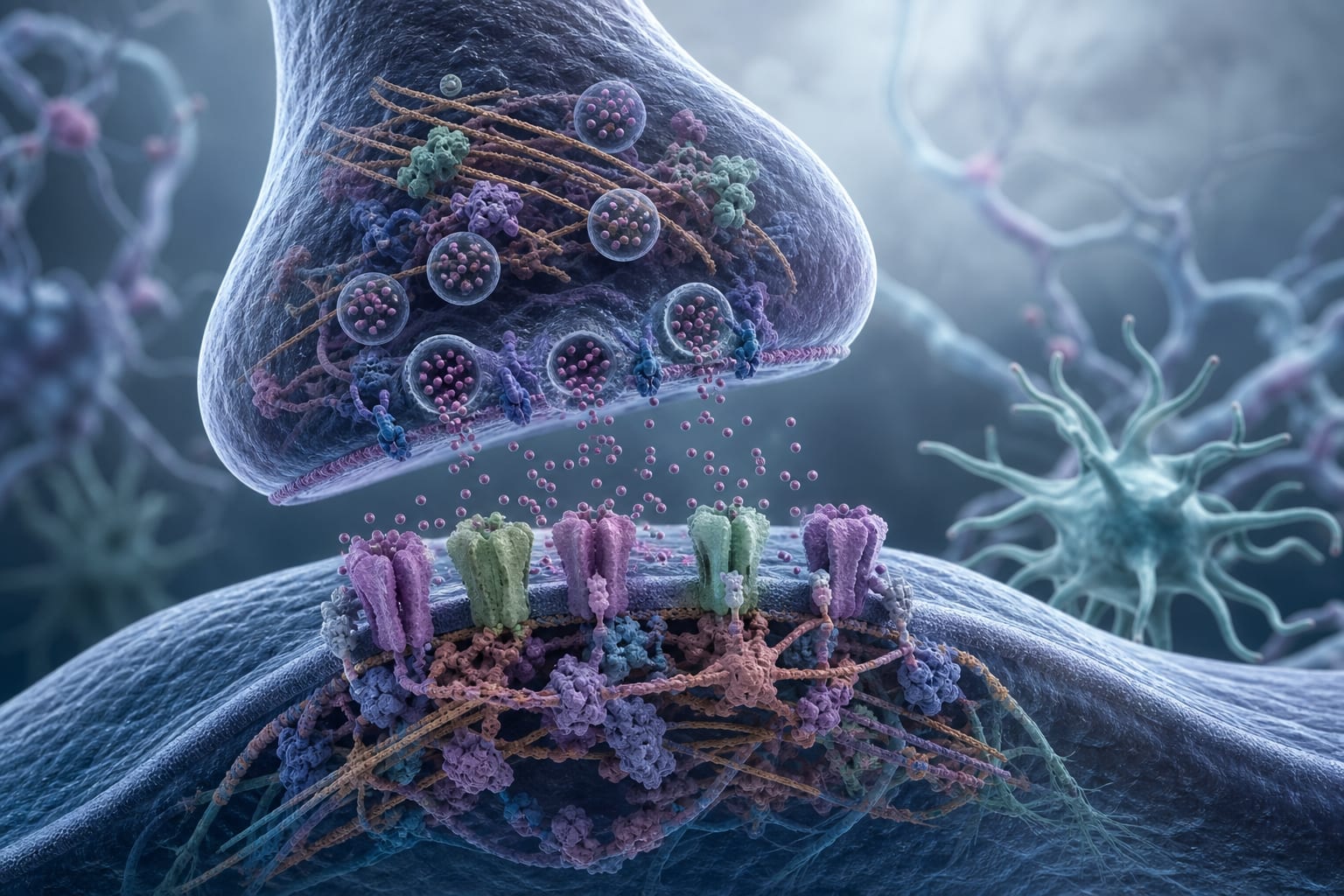
This editorial discusses the critical role of synaptic proteins in neurological disorders, emphasizing the importance of AMPA receptors in synaptic function. It highlights recent findings that connect molecular alterations at synapses to broader brain dysfunction in conditions like epilepsy and Alzheimer's disease.
Background
The human brain's functionality relies on intricate synaptic connections, where neurotransmitter interactions are essential for cognitive processes. Disruptions in these interactions can lead to various neurological disorders, including epilepsy and Alzheimer's disease. Understanding the molecular mechanisms at play is crucial for developing targeted therapeutic strategies.
Data Highlights
No numerical data or trial data provided in the source material.
Key Findings
AMPA receptors play a vital role in synaptic strength and plasticity, influencing learning and memory.
Chronic depletion of synaptic proteins and reduced AMPA receptor phosphorylation were observed in patients with drug-resistant temporal lobe epilepsy.
Shared genetic risk factors for ASD and epilepsy disrupt presynaptic operations, shifting focus from postsynaptic to presynaptic dysfunction.
Research highlights the need for human tissue studies to better understand epilepsy pathology compared to rodent models.
Clinical Implications
The findings underscore the importance of synaptic proteins in the pathology of neurological disorders, suggesting that therapeutic strategies should consider both presynaptic and postsynaptic mechanisms. Understanding these interactions may lead to more effective treatments for conditions like epilepsy and Alzheimer's disease.
Conclusion
The editorial emphasizes the significance of synaptic protein interactions in neurological disorders, advocating for further research to elucidate these complex mechanisms. Such insights could pave the way for innovative therapeutic approaches.