Clinical Report: Lipidomic Changes in Viral Pneumonia: Insights into Pathophysiology and Treatment Approaches
Overview
This review highlights the significant lipidomic alterations observed in viral pneumonia, which are linked to disease severity and prognosis.
Background
Viral pneumonia poses a major global health challenge, often leading to severe complications such as acute respiratory distress syndrome (ARDS). Traditional research has focused on inflammatory responses, but recent studies emphasize the critical role of lipid metabolism in the pathophysiology of viral infections.
Data Highlights
No specific numerical data or trial results provided in the source material.
Key Findings
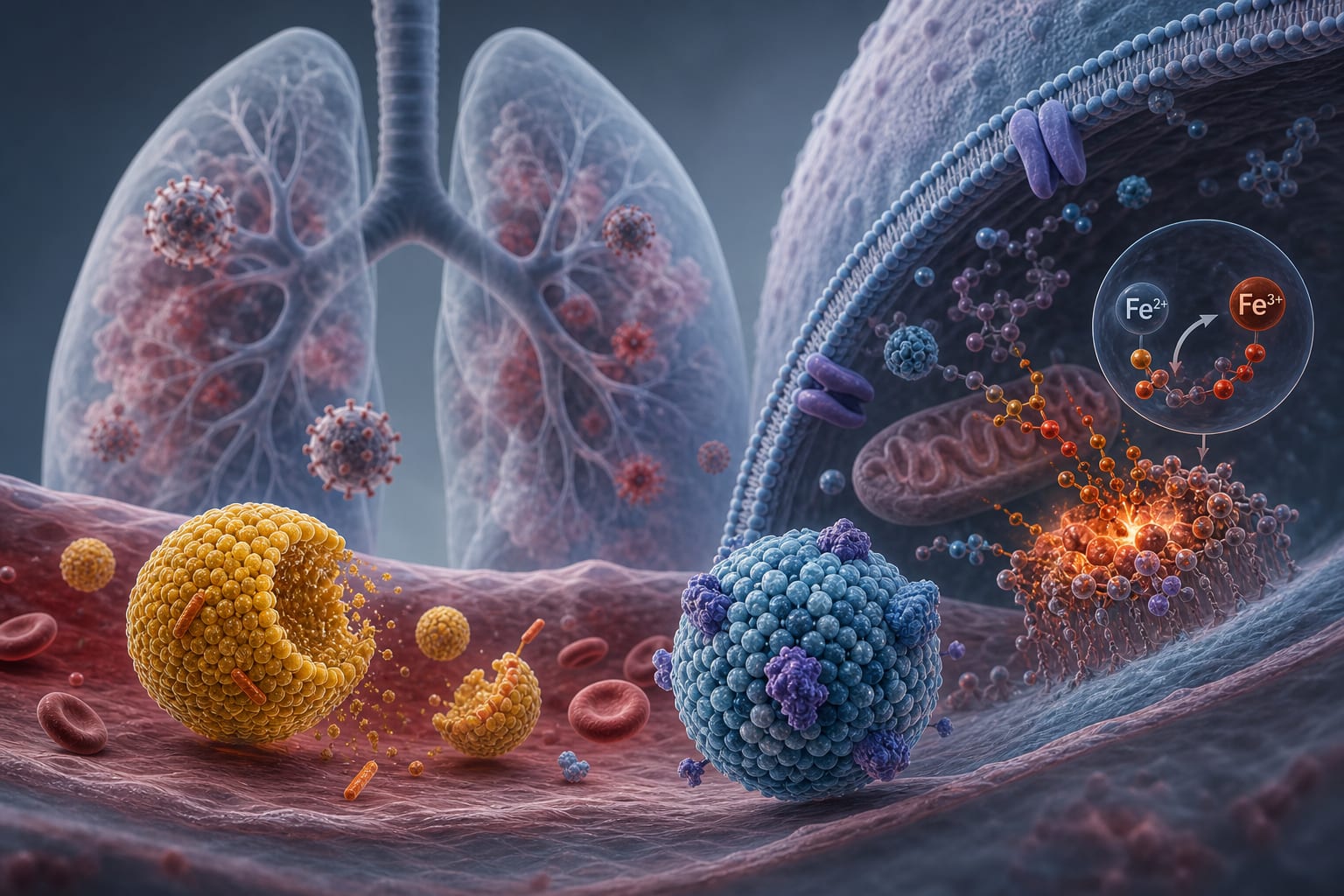
Viral pneumonia is characterized by a decline in LDL-cholesterol and a shift in HDL function.
High-throughput omics technologies reveal alterations in serum lipid profiles during severe infections.
Ferroptosis, driven by lipid peroxidation, plays a role in the pathogenesis of viral pneumonia.
The gut-lipid-lung axis influences the inflammatory response and lipid profiles in the lungs.
Clinical Implications
The review discusses the potential of lipidomic profiling in understanding disease severity in viral pneumonia.
Conclusion
The integration of lipidomic changes into the understanding of viral pneumonia could lead to further research in the field.