Distributional characteristics analysis of aeroallergens among children With allergic respiratory diseases in Sichuan province, China - Report - MDSpire
Clinical Report: Aeroallergen Distribution Patterns in Pediatric Patients
Overview
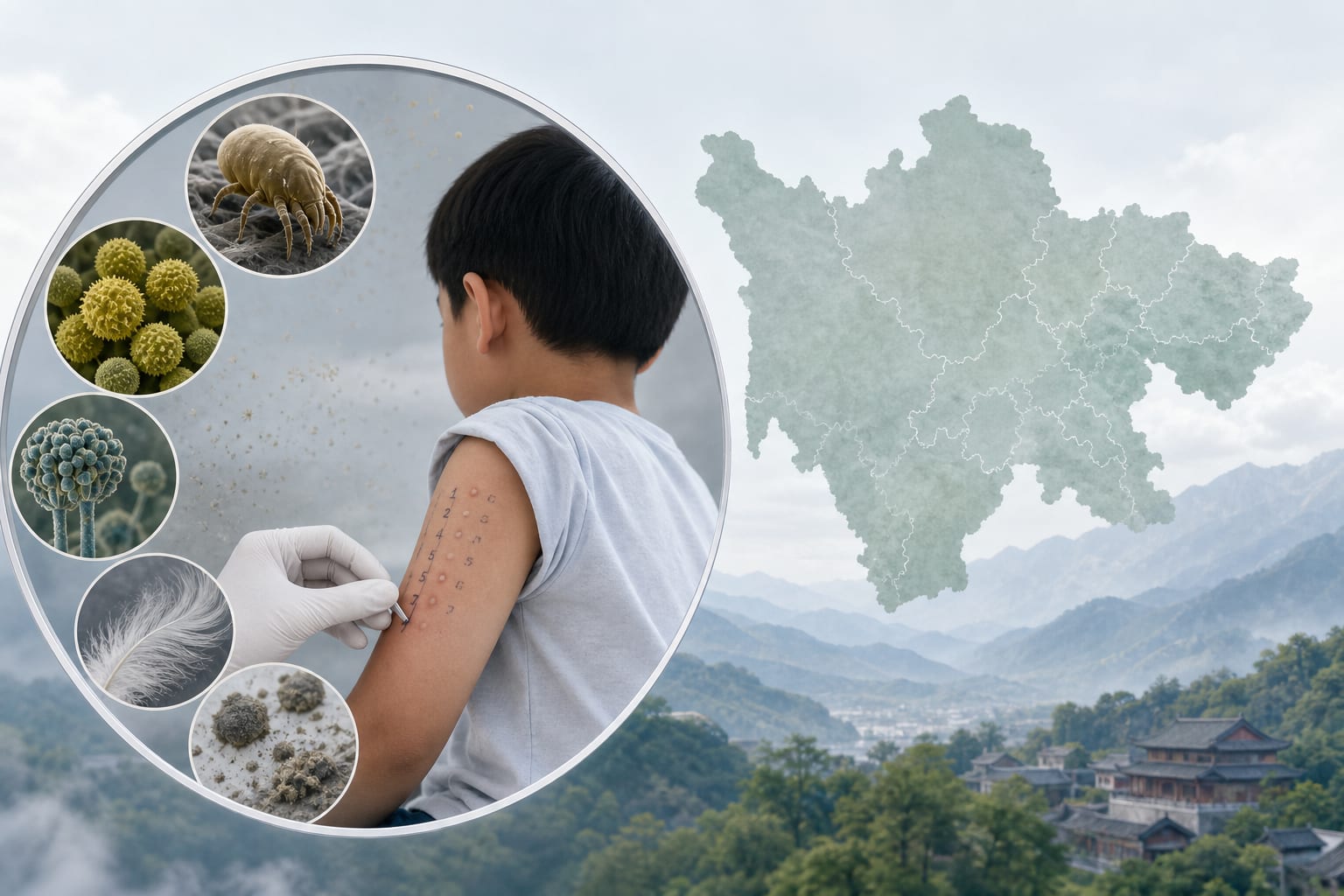
This study analyzed aeroallergen prevalence in 7,301 children with respiratory allergies in Sichuan Province, revealing that Dermatophagoides pteronyssinus and Dermatophagoides farinae were the most common allergens. The findings indicate significant age-related sensitization trends and highlight the importance of considering comorbid atopic conditions in clinical practice.
Background
Allergic diseases, particularly respiratory allergies, are a major public health concern, affecting a significant proportion of children globally. In China, the prevalence of allergic rhinitis and asthma is rising, necessitating a better understanding of allergen sensitization patterns to inform clinical management. Identifying prevalent allergens can aid in optimizing screening and treatment strategies for pediatric patients.
Data Highlights
Allergen
Prevalence
Dermatophagoides pteronyssinus (Der.p)
Most prevalent
Dermatophagoides farinae (Der.f)
Most prevalent
House dust
Third most prevalent
Overall SPT positivity
52.4%
Polysensitization rate
86.5%
Key Findings
52.4% of children tested positive for at least one allergen.
Dermatophagoides pteronyssinus and Dermatophagoides farinae were the most common allergens identified.
86.5% of sensitized children were allergic to two or more allergens.
SPT positivity rates increased with age, with preschool children showing the lowest rates.
Children with allergic rhinitis and atopic comorbidities had higher sensitization rates compared to those with asthma alone.
Clinical Implications
The findings underscore the need for region-specific allergen screening in pediatric patients with respiratory allergies. Clinicians should consider the presence of comorbid atopic conditions when assessing sensitization patterns, as these may indicate a higher risk for progressive allergic disease.
Conclusion
This study provides critical insights into the allergen landscape affecting children in Sichuan Province, emphasizing the need for tailored allergen management strategies in clinical practice.