Role of Liposome-Encapsulated Arsenic Trioxide in Modulating Tumor Microenvironment
Overview
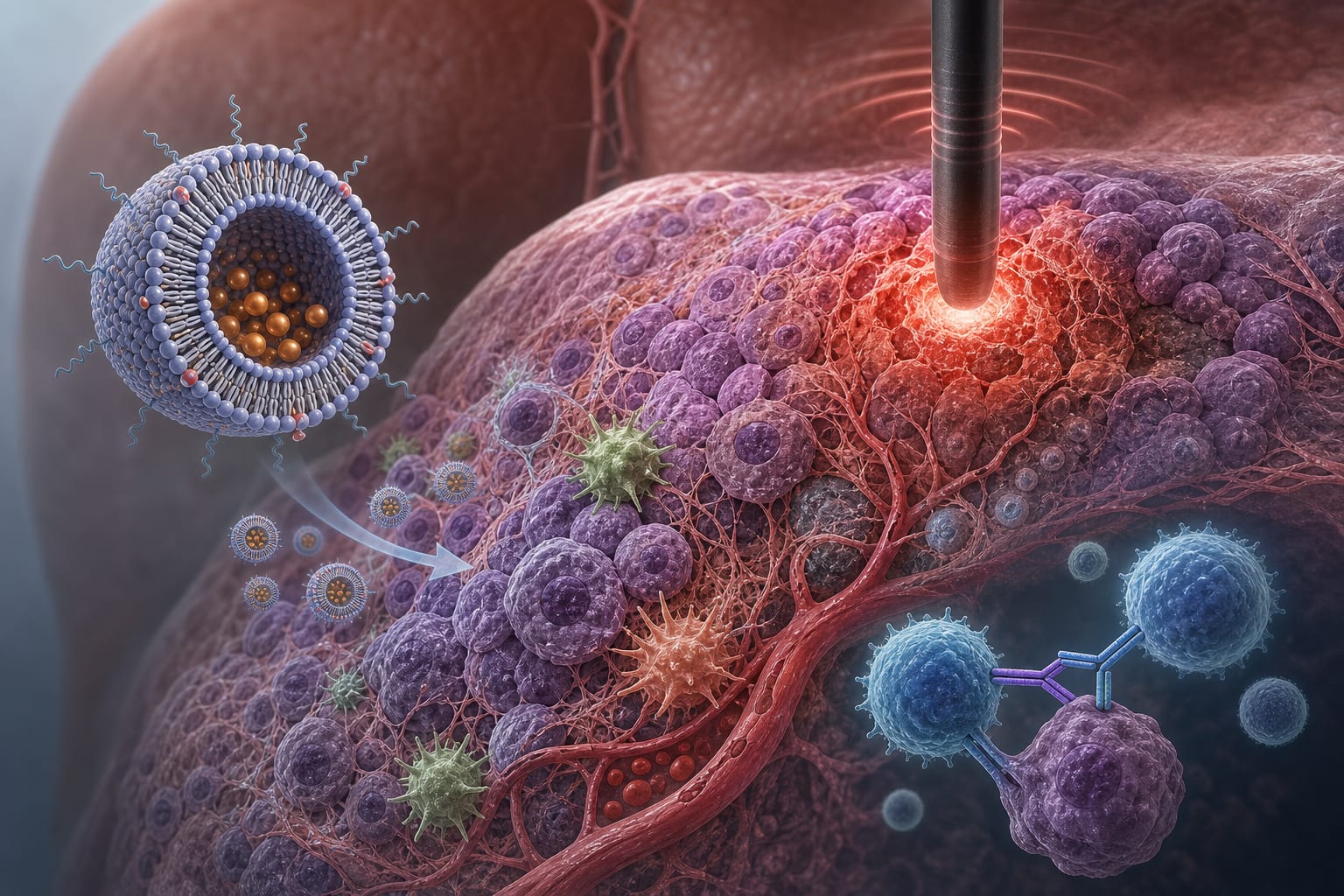
This study investigates the effects of liposome-encapsulated arsenic trioxide (LATO) on tumor microenvironment modulation and immune response enhancement following incomplete radiofrequency ablation (iRFA) in a murine model. Preoperative LATO administration significantly reduced markers of tumor proliferation and hypoxia, while promoting immune cell infiltration.
Background
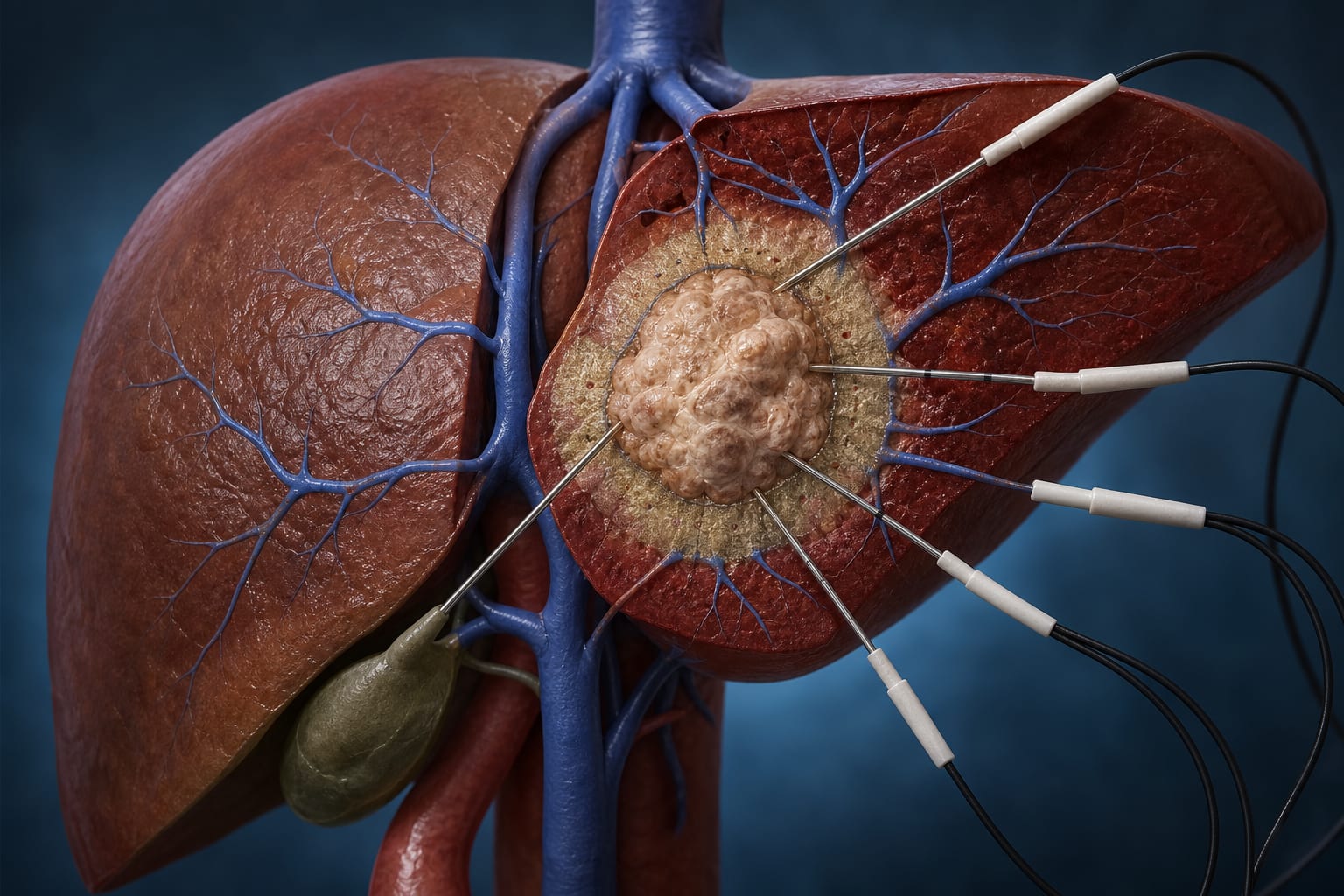
Hepatocellular carcinoma (HCC) is a leading cause of cancer-related mortality, with limited treatment options for many patients. Incomplete tumor necrosis after radiofrequency ablation (RFA) can lead to tumor recurrence, necessitating strategies to improve treatment efficacy. The modulation of the tumor microenvironment and immune response is critical for enhancing therapeutic outcomes in HCC.
Data Highlights
Parameter
Control Group
LATO Group
PCNA Expression
Increased
Decreased
CD31 Expression
Increased
Decreased
HIF-1α Expression
Increased
Decreased
Immune Cell Infiltration (CD4+, CD8+)
Lower
Higher
Survival Time
Shorter
Prolonged
Key Findings
Preoperative LATO administration reduced PCNA, CD31, and HIF-1α expression in residual tumors.
LATO promoted the infiltration of immune cells (CD4+, CD8+) in the tumor microenvironment.
Survival time of mice was significantly prolonged with LATO treatment.
Combined use of anti-PD-L1 antibody further reduced tumor proliferation markers post-RFA.
HIF-1α upregulation was linked to increased angiogenesis and tumor progression after iRFA.
Clinical Implications
Further investigation into the clinical application of LATO in combination with immune checkpoint inhibitors is warranted.
Conclusion
Pre-treatment with LATO prior to RFA may enhance ablation efficacy.