Clinical Report: Prevalence and Contributing Factors of Low Testosterone Levels in Infertile Males
Overview
Revise to specify that 24.1% of those evaluated exhibited low testosterone levels.
Background
Infertility affects approximately 15% of couples, with male factors contributing to nearly half of these cases. Endocrine evaluations are critical for identifying treatable conditions that may hinder fertility, yet many men with normal sperm counts are overlooked for such assessments. Understanding the prevalence of low testosterone in this demographic is essential for improving fertility outcomes.
Data Highlights
Parameter
Value
Participants
3,147
Did not receive hormonal assessment
77.2% (2,429)
Exhibited low testosterone levels
24.1% (among 718 evaluated)
Increased odds of low testosterone with obesity
OR 1.725
Key Findings
77.2% of normozoospermic infertile males did not undergo hormonal assessment.
24.1% of men evaluated for hormonal levels had low testosterone (<300 ng/dL).
Increased BMI was an independent predictor of low testosterone (OR 1.083).
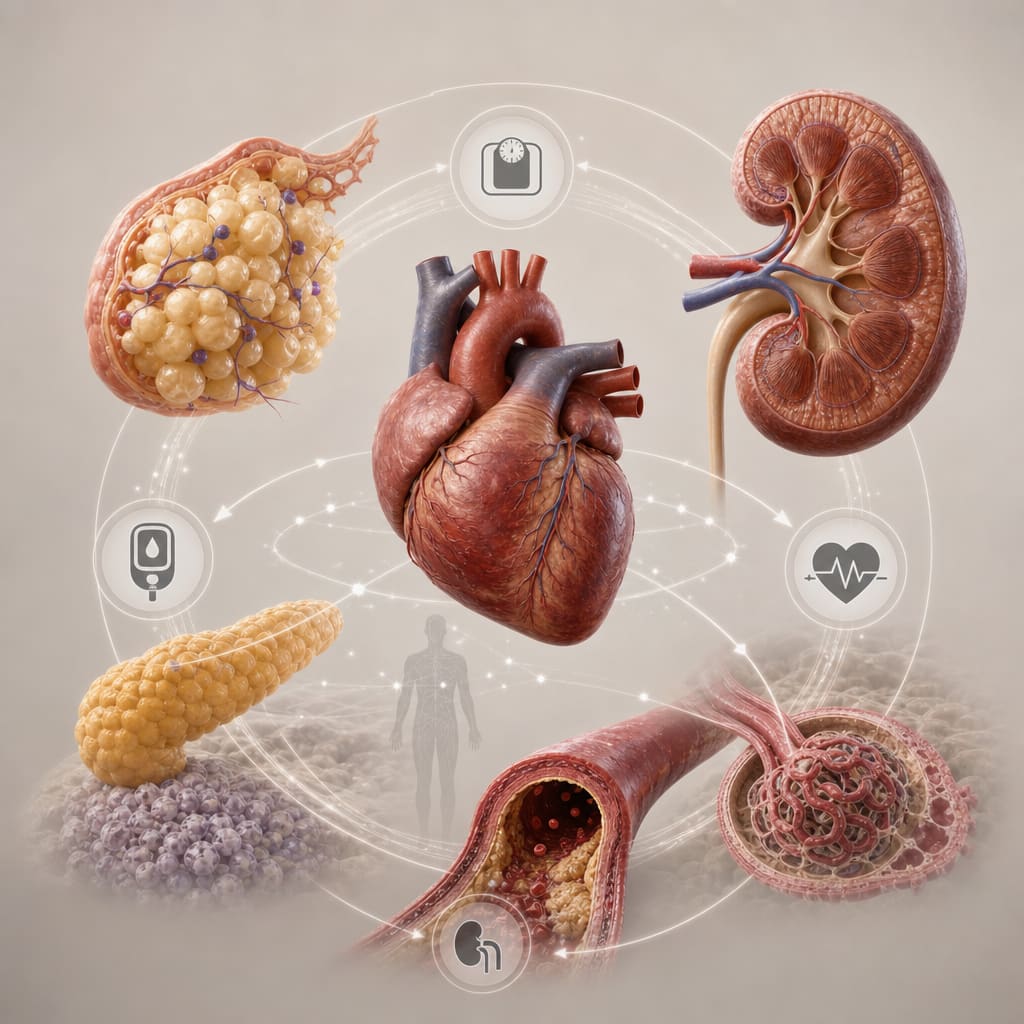
Obese males had significantly higher odds of low testosterone compared to normal weight males (OR 1.725).
Significant increases in testosterone were noted in treated men at follow-up (all p ≤ 0.001).
Six men achieved natural conception after treatment.
Clinical Implications
Healthcare providers should consider routine endocrine evaluations for all infertile men, regardless of sperm concentration, especially those with obesity. Identifying and managing low testosterone can potentially improve fertility outcomes in this population.
Conclusion
The findings highlight a critical gap in hormonal assessment among infertile men with normal sperm counts, emphasizing the need for standardized endocrine evaluations to enhance fertility management.