Clinical Report: Assessing Cardiovascular Disease Risk Factors in Hypertensive Individuals
Overview
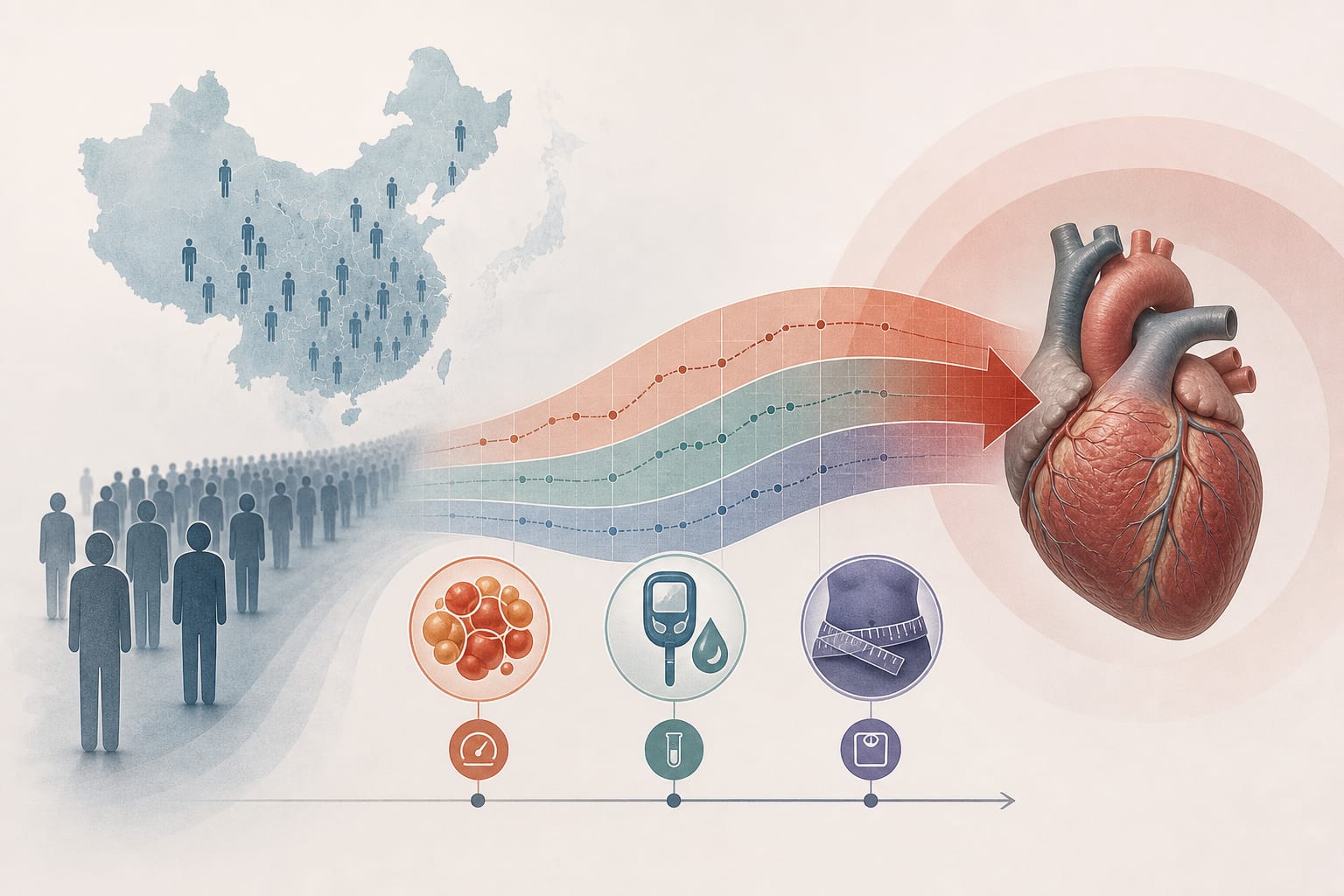
This study evaluates cardiovascular disease risk factors among hypertensive individuals in the West Bank, revealing that over half of the participants have moderate-to-high predicted 10-year cardiovascular disease risk. Key determinants include advancing age, diabetes mellitus, and family history of hypertension.
Background
Hypertension significantly contributes to cardiovascular disease (CVD) morbidity and mortality, particularly in low- and middle-income countries. Understanding the absolute cardiovascular risk in hypertensive populations is crucial for developing effective prevention strategies. This study addresses the gap in knowledge regarding cardiovascular risk factors among hypertensive individuals in Palestine.
Data Highlights
Characteristic
Value
Participants
401
Mean Age
59.2 ± 11.3 years
Female Participants
63.1%
Moderate-to-High Risk
50.4%
High Risk
24.7%
Key Findings
50.4% of participants had moderate-to-high predicted 10-year cardiovascular disease risk.
24.7% were classified as high risk for cardiovascular disease.
Each additional year of age increased the odds of cardiovascular disease by approximately 4% (aOR ≈ 1.04, p < 0.001).
Diabetes mellitus was associated with high predicted cardiovascular risk (aOR range ≈ 1.8–2.4, p ≤ 0.01).
A positive family history of hypertension was linked to increased cardiovascular disease risk (aOR ≈ 1.9, p < 0.01).
Marital status showed a protective association with cardiovascular disease risk (aOR ≈ 0.5, p < 0.01).
Clinical Implications
The findings underscore the importance of routine cardiovascular risk assessment in hypertensive patients, particularly focusing on age and diabetes management. Healthcare providers should consider integrating comprehensive cardiometabolic management strategies to mitigate cardiovascular risk in this population.
Conclusion
Hypertensive individuals in the West Bank exhibit significant cardiovascular disease risk, primarily influenced by age and diabetes. Addressing these risk factors through targeted interventions is essential for improving cardiovascular health outcomes.
by Alhareth M. Amro, Salahaldeen Deeb, Elias Amarneh, Alfarouq Alboom, Zein Abuhantash, Mirna Mustafa, Batool Bader, Areej A. Milhem, Abdalrahman M. Alfaour, Bajis Amro