Clinical Report: Emerging Perspectives on Autoimmune Skin Disorders Driven by Inflammation
Overview
This editorial discusses the complex interplay between the immune system and skin disorders, highlighting the role of keratinocytes and immunotherapies.
Background
Autoimmune skin disorders represent a significant challenge in dermatology, characterized by inflammation and immune dysregulation. Understanding the mechanisms behind these conditions is crucial for developing effective therapies. Recent advancements in immunotherapy have been noted, but challenges in application and efficacy remain.
Data Highlights
No numerical data or trial data presented in the editorial.
Key Findings
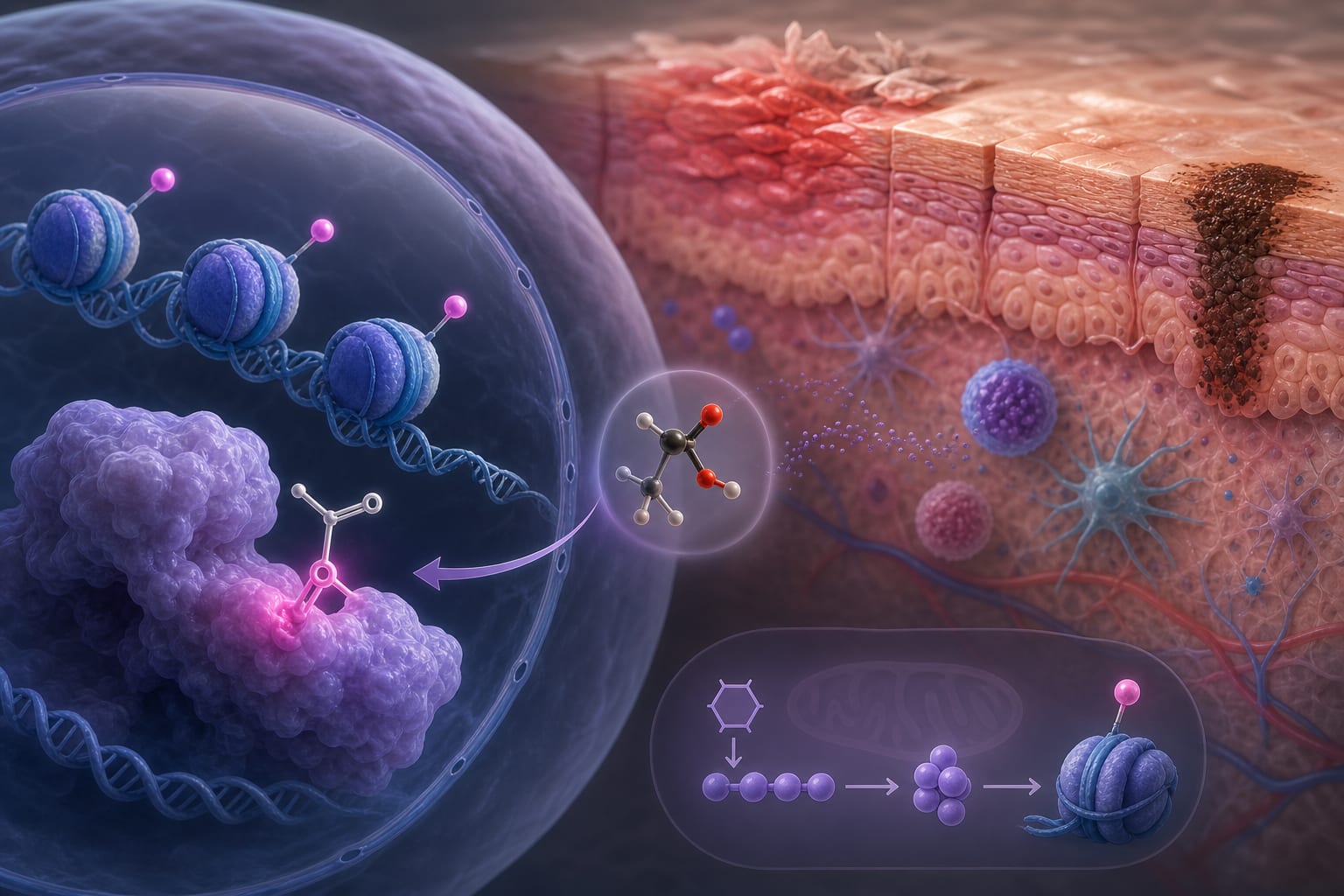
Keratinocytes are active participants in immune responses, influencing cytokine production and immune cell recruitment.
Pemphigus vulgaris is driven by both autoantibodies and innate immune dysregulation, particularly involving NK cells and macrophages.
JAK inhibitors have been FDA approved for the treatment of vitiligo, marking a shift towards targeted immunotherapies.
Multi-omics techniques are revealing cell-specific therapeutic targets in autoimmune diseases like systemic sclerosis.
Emerging therapies include B-cell depletion and T-cell inhibition, moving away from generalized immunosuppression.
Clinical Implications
Clinicians should consider the role of keratinocytes in autoimmune skin disorders.
Conclusion
The editorial highlights the importance of understanding immune mechanisms in skin disorders and the potential of immunotherapies to provide more effective treatment options.