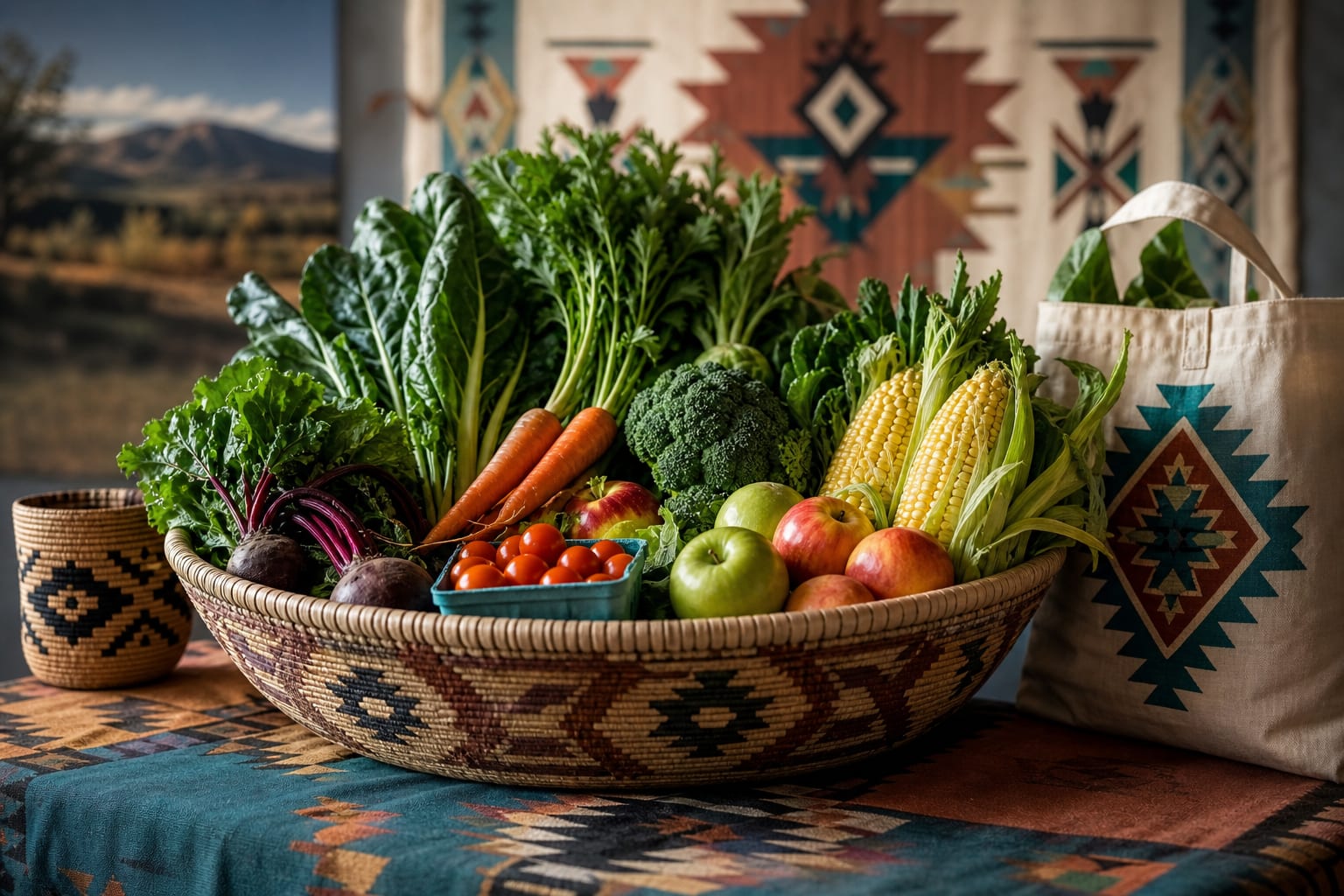
Indian Health Service Allocates $3.5 Million for Nutrition and Food Programs in Tribal Communities
-
By
-
Assistant Secretary for Public Affairs (ASPA)
-
September 22, 2026
Clinical Report: Indian Health Service Allocates $3.5 Million for Nutrition Programs
Overview
The Indian Health Service has allocated $3.5 million to 14 Tribal and urban Indian communities to implement community-driven produce prescription programs.
Background
Food insecurity and nutrition-related chronic diseases significantly impact American Indian and Alaska Native communities. The Produce Prescription Pilot Program (P4) seeks to integrate nutrition into healthcare.
Data Highlights
| Recipient | City | State |
|---|---|---|
| Chickasaw Nation | Ada | Oklahoma |
| Coeur d’Alene Tribal Health Authority | Plummer | Idaho |
| Coquille Indian Tribe | Coos Bay | Oregon |
| Gerald L. Ignace Indian Health Center | Milwaukee | Wisconsin |
| Council, Indian Health, Incorporated | Valley Center | California |
| Consortium, Inc., serving Lake County Tribal Health | Lakeport | California |
| Native Health, Inc. | Phoenix | Arizona |
| Norton Sound Health Corporation | Nome | Alaska |
| Chippewa Indians’ Sault Ste Marie Tribe | Sault Ste Marie | Michigan |
| Swinomish Indian Tribal Community | La Conner | Washington |
| Texas Native Health | Dallas | Texas |
| Tunica Biloxi Tribe of Louisiana | Marksville | Louisiana |
| Urban Indian Center of Salt Lake | Salt Lake City | Utah |
| Yukon-Kuskokwim Health Corporation | Bethel | Alaska |
Key Findings
- The Indian Health Service awarded $3.5 million to 14 communities for produce prescription programs.
- Funding aims to reduce food insecurity and improve dietary patterns among American Indian and Alaska Native populations.
- Programs will be tailored to the unique cultural values and resources of each community.
Clinical Implications
Healthcare providers should consider integrating nutrition-focused interventions into care plans for American Indian and Alaska Native patients. Understanding the cultural context of food and nutrition can enhance the effectiveness of dietary recommendations.
Conclusion
The investment in the Produce Prescription Pilot Program represents a significant step towards addressing chronic disease through improved access to nutritious foods in Tribal communities.
Related Resources & Content
- Indian Health Service, HHS.gov, 2026 -- Indian Health Service Awards $3.5 Million for Tribal Food and Nutrition Initiatives
- ADA News, 2026 -- Health organizations press Congress to boost Indian Health Service funding
- ADA News, 2022 -- HHS allocates $48M to increase workforce in rural, tribal communities
- ADA News, 2025 -- ADA calls for increased funding for Indian Health Service
- American Heart Association, 2023 -- 'Food is medicine' shows potential for improving diet quality and food security
- ADA News — Boost Indian Health Service funding, AI/AN Health Partners urges
- Indian Health Service Awards $3.5 Million for Tribal Food and Nutrition Initiatives | HHS.gov
- ‘Food is medicine’ shows potential for improving diet quality and food security | American Heart Association
- Produce Prescription Subsidy for Patients With Diabetes: A Pragmatic Randomized Clinical Trial | Trial Resources | JAMA Internal Medicine | JAMA Network
Based on findings from:
Indian Health Service Awards $3.5 Million for Tribal Food and Nutrition Initiatives
Assistant Secretary for Public Affairs (ASPA). United States Department Of Health And Human Services, 2026.
https://www.hhs.gov/press-room/indian-health-service-awards-3-million-tribal-food-nutrition-initiatives.html
This content is an AI-generated, fully rewritten summary based on a published scholarly article. It does not reproduce the original text and is not a substitute for the original publication. Readers are encouraged to consult the source for full context, data, and methodology.