Longitudinal trajectories of hematological indices and serum metalloproteinases-2 and 9 over 1 year after moderate and severe COVID-19 - Report - MDSpire
Advertisement
Longitudinal trajectories of hematological indices and serum metalloproteinases-2 and 9 over 1 year after moderate and severe COVID-19
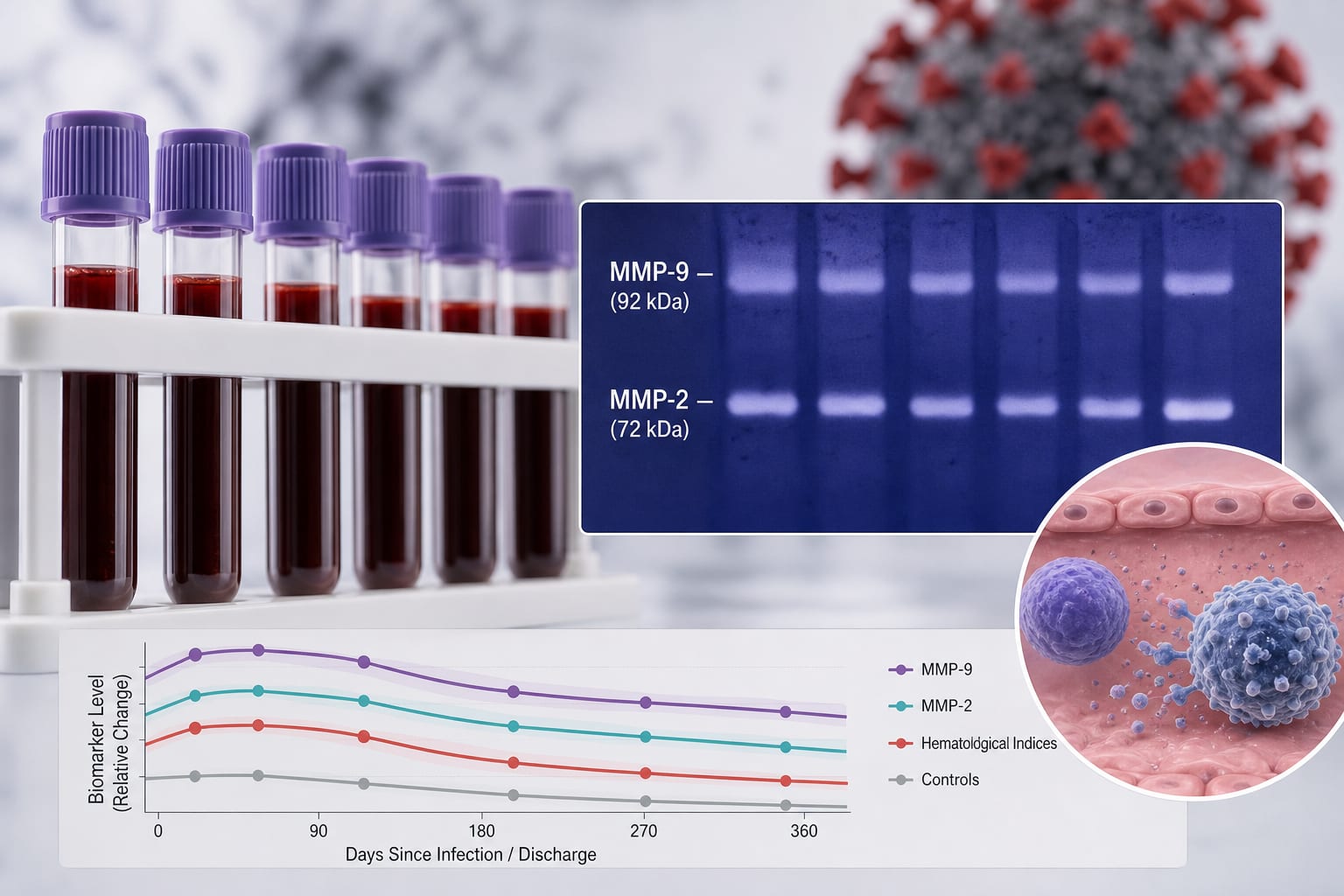
Year-long Analysis of Hematological Parameters and Serum Metalloproteinases-2 and 9 Following Moderate to Severe COVID-19
Overview
This study investigates the long-term effects of moderate to severe COVID-19 on hematological parameters and serum metalloproteinases over one year. Findings indicate persistent immune dysregulation and systemic inflammation, particularly in severe cases, highlighting the need for ongoing monitoring and potential interventions.
Background
The COVID-19 pandemic has resulted in significant long-term health consequences, with many individuals experiencing persistent symptoms after recovery from the acute phase. Understanding the biological markers associated with these long-term effects is crucial for developing targeted interventions and improving patient outcomes. This study provides valuable insights into the hematological and inflammatory changes that may persist long after the initial infection.
Data Highlights
{'add': 'Include statistical significance for each parameter comparison.'}
Key Findings
{'add': 'Incorporate specific p-values or confidence intervals for the reported findings.'}
Clinical Implications
{'add': 'Provide examples of potential therapeutic interventions based on the findings.'}
Conclusion
The findings underscore the need for ongoing research into the long-term effects of COVID-19, particularly regarding immune and inflammatory responses. Understanding these dynamics is essential for improving patient care and outcomes in the post-acute phase of COVID-19.
by Rebecca Salomão, Gabriel Pasquarelli-do-Nascimento, Mayara Ananias, Victoria Assis, Leandro Gomes de Jesus Ferreira, Isabella da Silva Almeida, Leandra Silva, Katiane Tostes, Bruna Pereira Sorroche, Lidia Maria Rebolho Batista Arantes, Kelly Grace Magalhães, Liliana Torcoroma García, Rochelle Rocha Costa, João Luiz Quagliotti Durigan, Rita de Cássia Marqueti