Clinical Report: Nursing Outcomes and Management Approaches During Perioperative Care
Overview
Revise to emphasize the importance of tailored nursing strategies based on etiology.
Background
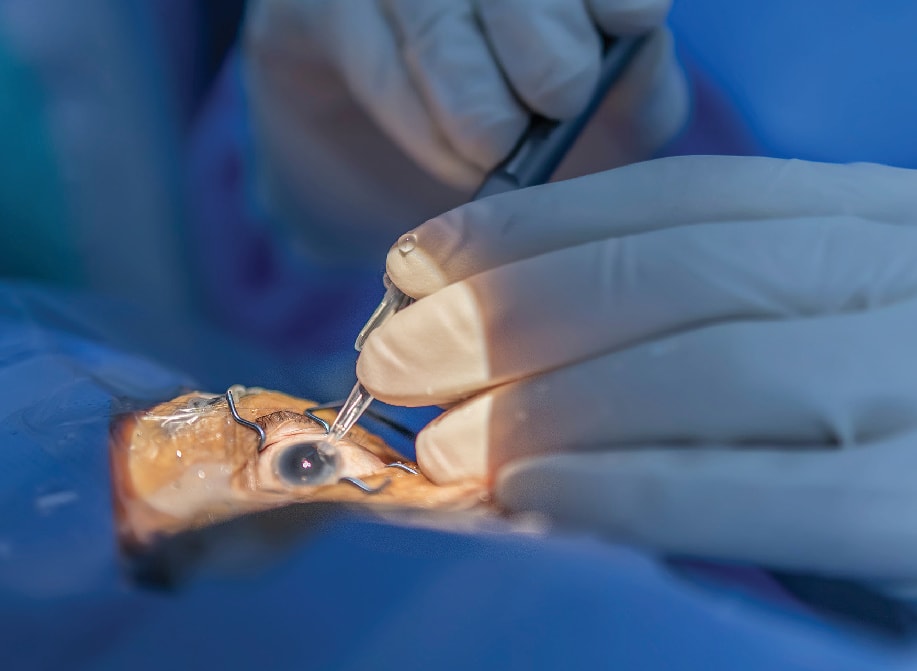
Superficial corneal disorders often require surgical intervention when conventional therapies fail. Low-temperature plasma ablation (LTPA) presents a novel approach that may reduce complications associated with traditional methods. Understanding the perioperative nursing outcomes and patient satisfaction is crucial for optimizing care in these patients.
Data Highlights
Group
Epithelial Healing Time
Recurrence Rate
VAS Pain Scores
Infectious (n=8)
Longer (p=0.040)
25.0% (p=0.005)
Higher (F=20.33, p<0.001)
Noninfectious (n=30)
Shorter
0%
Lower
Key Findings
Infectious group had significantly longer epithelial healing times (p=0.040).
Recurrence of symptoms within 3 months was higher in the infectious group (25.0% vs. 0%, p=0.005).
VAS pain scores were consistently higher in the infectious group (F=20.33, p<0.001).
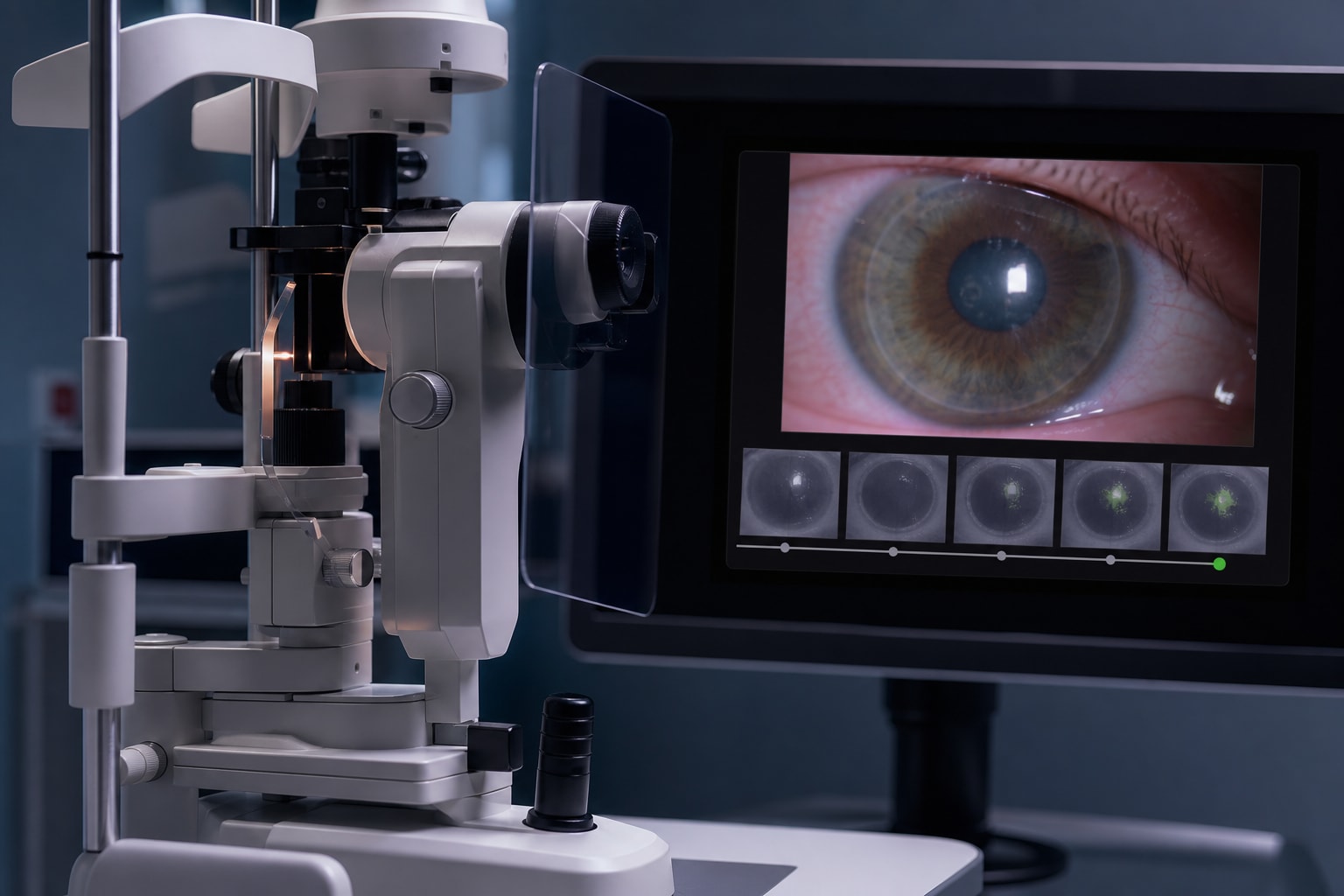
Digital slit-lamp imaging identified delayed healing in 13.2% of patients.
No severe postoperative complications were reported.
Clinical Implications
The findings suggest that LTPA is a viable treatment option for superficial corneal disorders, particularly in managing pain and healing times. Perioperative nursing strategies should be adapted based on the etiology of the condition to enhance patient outcomes and satisfaction.
Conclusion
LTPA demonstrates promising outcomes for superficial corneal disorders, emphasizing the need for further prospective studies to validate these findings and improve perioperative care protocols.