Clinical Report: A Case Study of Primary Mucinous Adenocarcinoma in the Bladder
Background
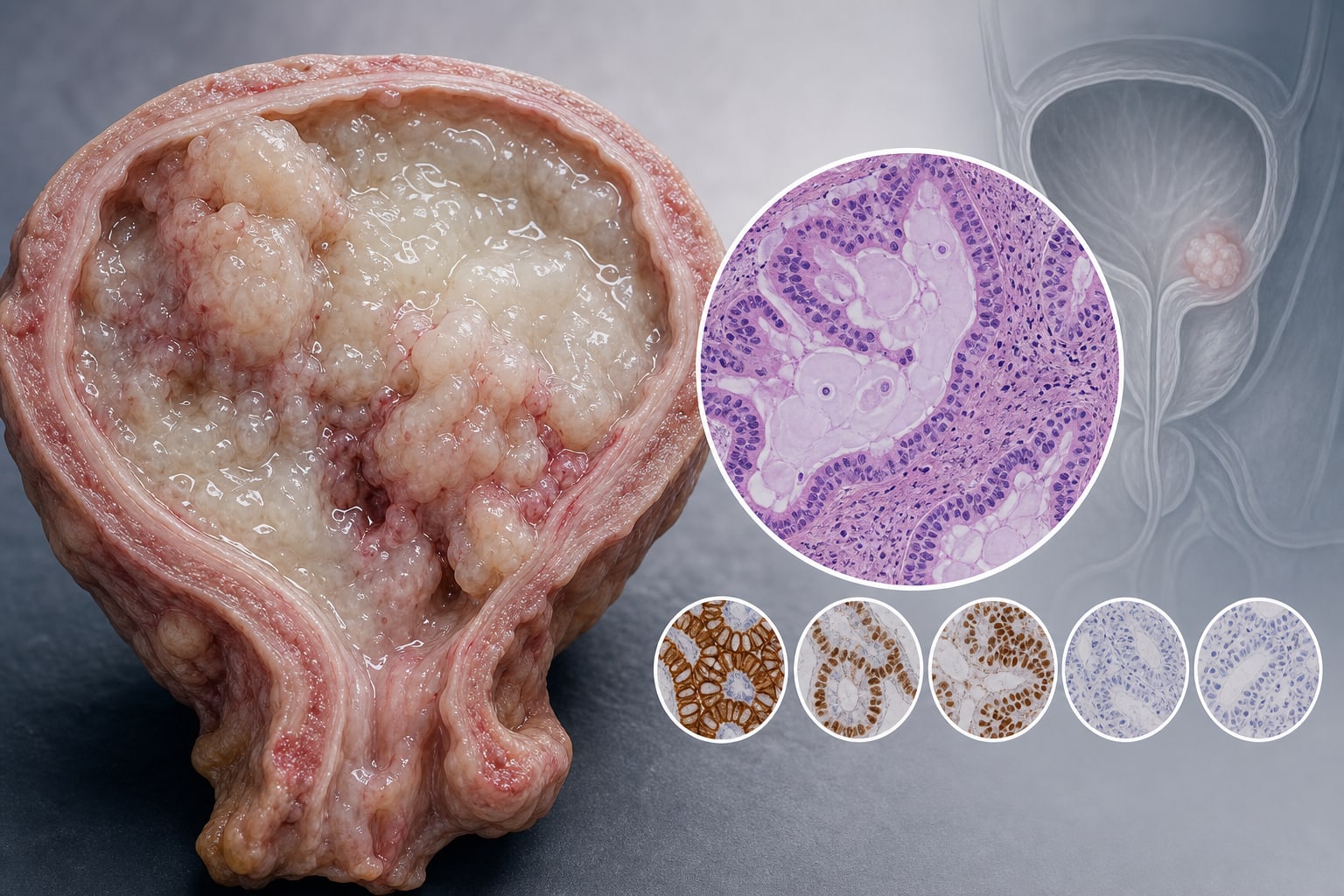
Primary mucinous adenocarcinoma of the bladder is a rare and aggressive cancer, necessitating careful differentiation from metastatic gastrointestinal adenocarcinoma. The lack of standardized treatment protocols complicates management, making accurate diagnosis and individualized treatment essential.
Data Highlights
No numerical data or trial data was provided in the source material.
Key Findings
Primary mucinous adenocarcinoma of the bladder is rare and aggressive.
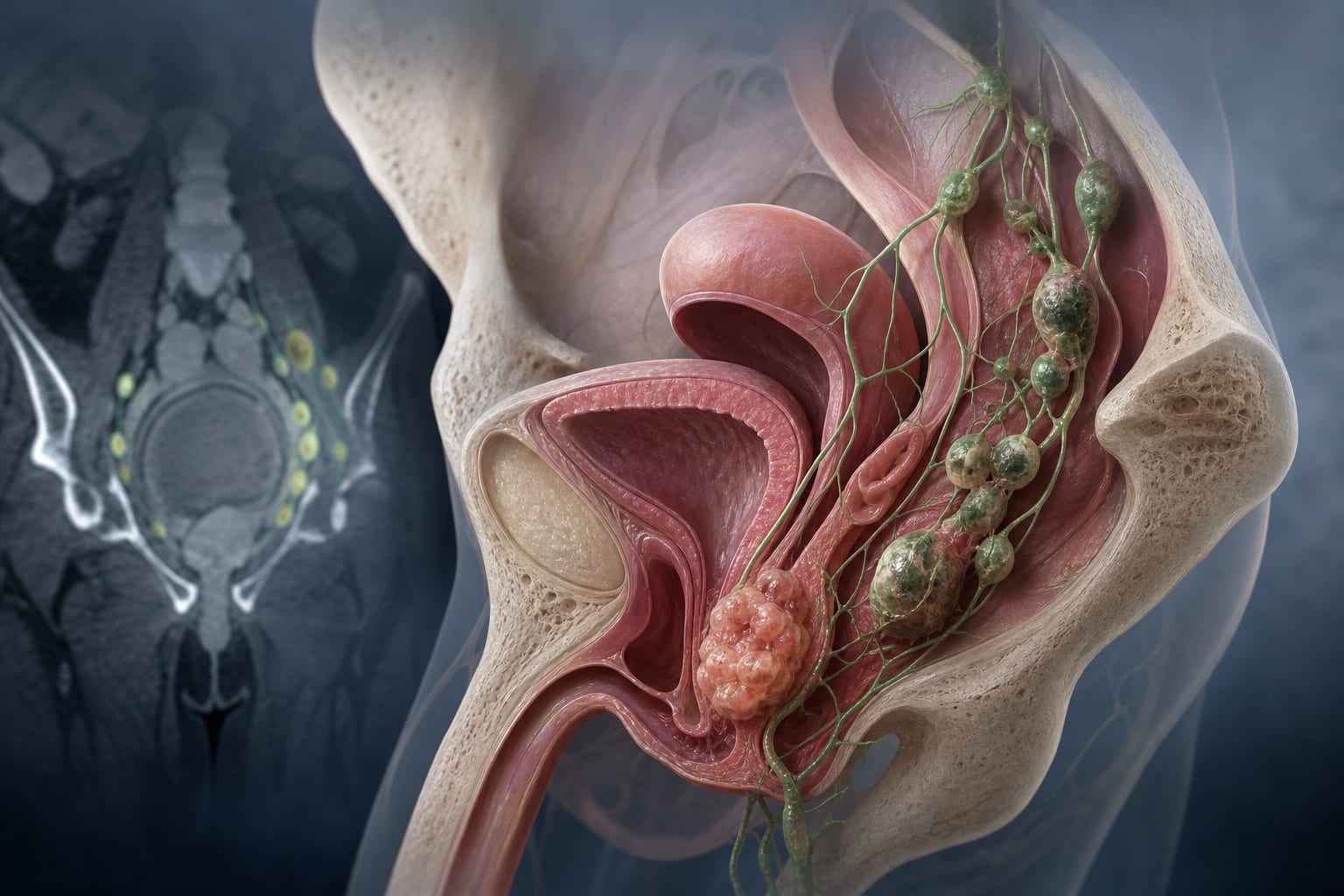
Diagnosis requires exclusion of metastatic gastrointestinal adenocarcinoma.
A targeted immunohistochemical panel was used for diagnosis: CK7–, CK20+, CDX2+, β-catenin membrane+, SATB2–, GATA3–.
The patient underwent transurethral resection followed by robot-assisted radical cystectomy.
No recurrence or metastasis was detected at 6-month follow-up.
Clinical Implications
Clinicians should be aware of the complexities in treatment decisions due to the absence of established guidelines.
Conclusion
This case study highlights the diagnostic challenges and treatment complexities of primary mucinous adenocarcinoma of the bladder.