Precision of Remote-Controlled Milling with Haptic Feedback in Surgical Settings
Overview
This study evaluates the accuracy of teleoperated milling with haptic assistance using the minaroHD robot. It investigates both master-side user input precision and slave-side robot positioning accuracy under various conditions, demonstrating the potential for improved surgical milling precision.
Background
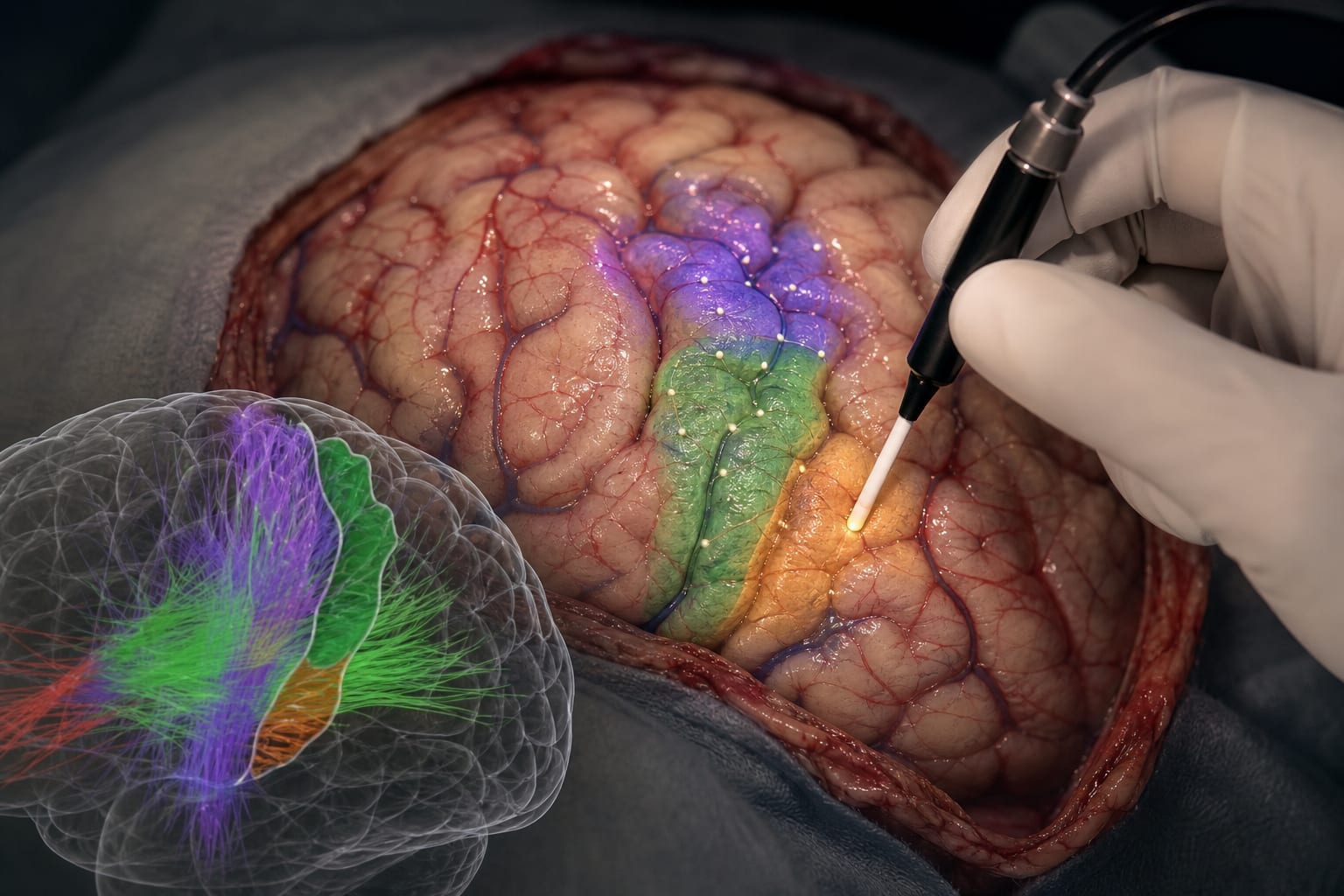
Accurate execution of surgical plans is critical in bone-related procedures to avoid complications such as implant misalignment or insufficient bone removal. Surgeons require advanced technical skills and experience to perform precise milling tasks. Cooperative robots with haptic feedback can augment surgeon capabilities by combining robotic accuracy with expert decision-making. The minaroHD robot offers teleoperated milling with haptic assistance, aiming to improve precision and safety in surgical environments.
Data Highlights
Parameter
Values Tested
Master-side scale factor (sf)
1 (finger), 2.5 (hand), 5 (arm)
Slave-side target feed rate (v_feed)
5 mm/s, 15 mm/s
Movement direction
Horizontal, Vertical
Haptic guidance stiffness (p)
0.5 N/mm, 0.25 N/mm
Haptic damping (d)
0.03 Ns/mm
Key Findings
Master-side user input accuracy was influenced by scale factor, with finer control at lower scale factors corresponding to finger movements.
Higher slave-side feed rates increased the challenge for accurate path tracing but were manageable with haptic assistance.
Haptic guidance stiffness affected the precision of user input, with stronger stiffness improving path adherence.
Slave-side robot positioning accuracy was maintained autonomously with an accuracy of approximately 0.5 mm, compensating for patient movements up to 18 mm/s.
Arm rest support tailored to movement scale factors enhanced user comfort and control during teleoperated milling.
Clinical Implications
Teleoperated milling with haptic feedback can enhance surgical precision by reducing user input errors and maintaining accurate robot positioning. Tailoring haptic parameters and ergonomic support to the surgeon's movements can optimize control and safety. This technology may facilitate complex bone milling tasks, especially for less experienced surgeons or in low-volume settings.
Conclusion
The study demonstrates that on-site teleoperated milling with haptic assistance using the minaroHD robot achieves high accuracy in both user input and robot positioning. These findings support the integration of cooperative robotic systems to improve surgical outcomes in bone-related procedures.
References
MinaroHD Study 2024 -- Precision of Remote-Controlled Milling with Haptic Feedback in Surgical Settings
A prospective cohort study suggests that clinically meaningful quality‐of‐life changes continue well beyond the first postoperative year, with one‐year complications emerging as the strongest potentially modifiable predictor of later decline.