Clinical Report: Overview of Treatment Approaches for Malignant Rhabdoid Tumor
Overview
Malignant rhabdoid tumor of the kidney (MRTK) is a rare and aggressive pediatric cancer with poor survival rates despite multimodal therapy. Recent advances in molecular understanding highlight the need for biomarker-informed treatment strategies to improve outcomes, particularly for advanced-stage disease.
Background
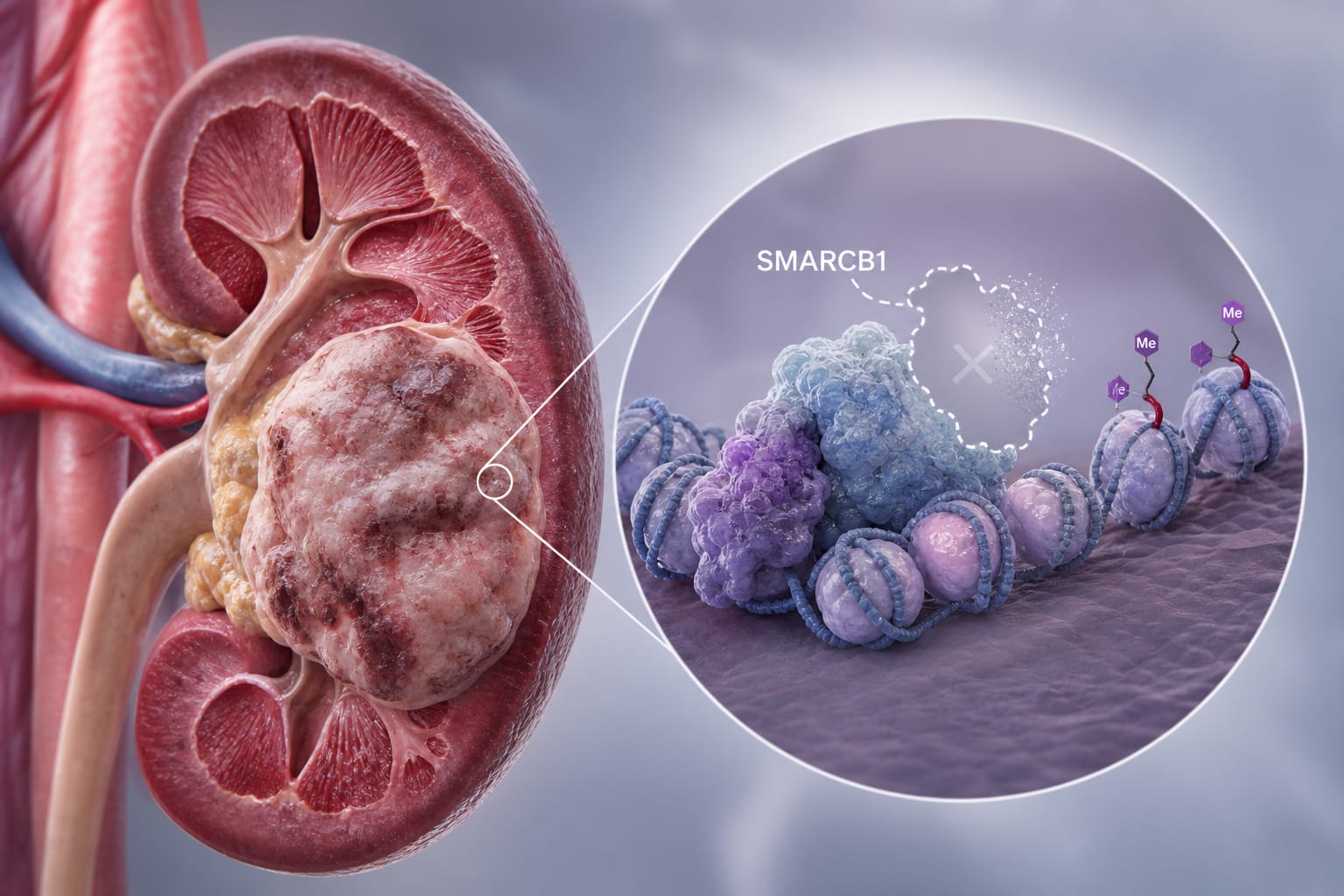
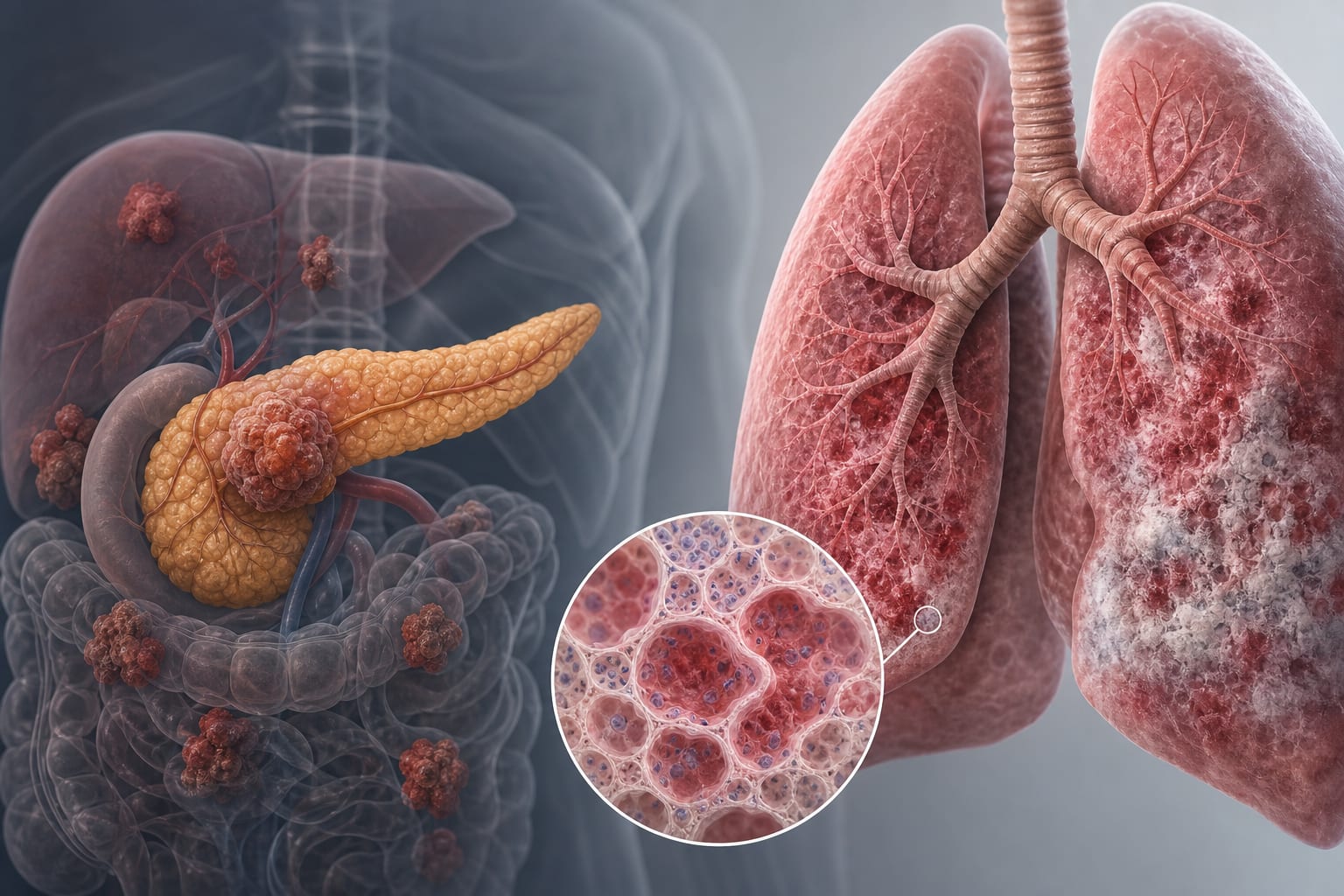
MRTK is one of the most aggressive renal malignancies in early childhood, often presenting in infants and characterized by rapid progression and high metastatic potential. Despite multimodal treatment approaches, survival rates remain low, especially in patients with advanced disease. Understanding the molecular underpinnings of MRTK, particularly the loss of SMARCB1, is crucial for developing targeted therapies and improving patient outcomes.
Data Highlights
No numerical data available in the article.
Key Findings
MRTK is characterized by the loss of SMARCB1, a key factor in its aggressive behavior.
Conventional multimodal therapy, including surgery and chemotherapy, has shown limited survival benefits in advanced-stage MRTK.
Intensified treatment strategies have improved outcomes in localized cases but not in metastatic disease.
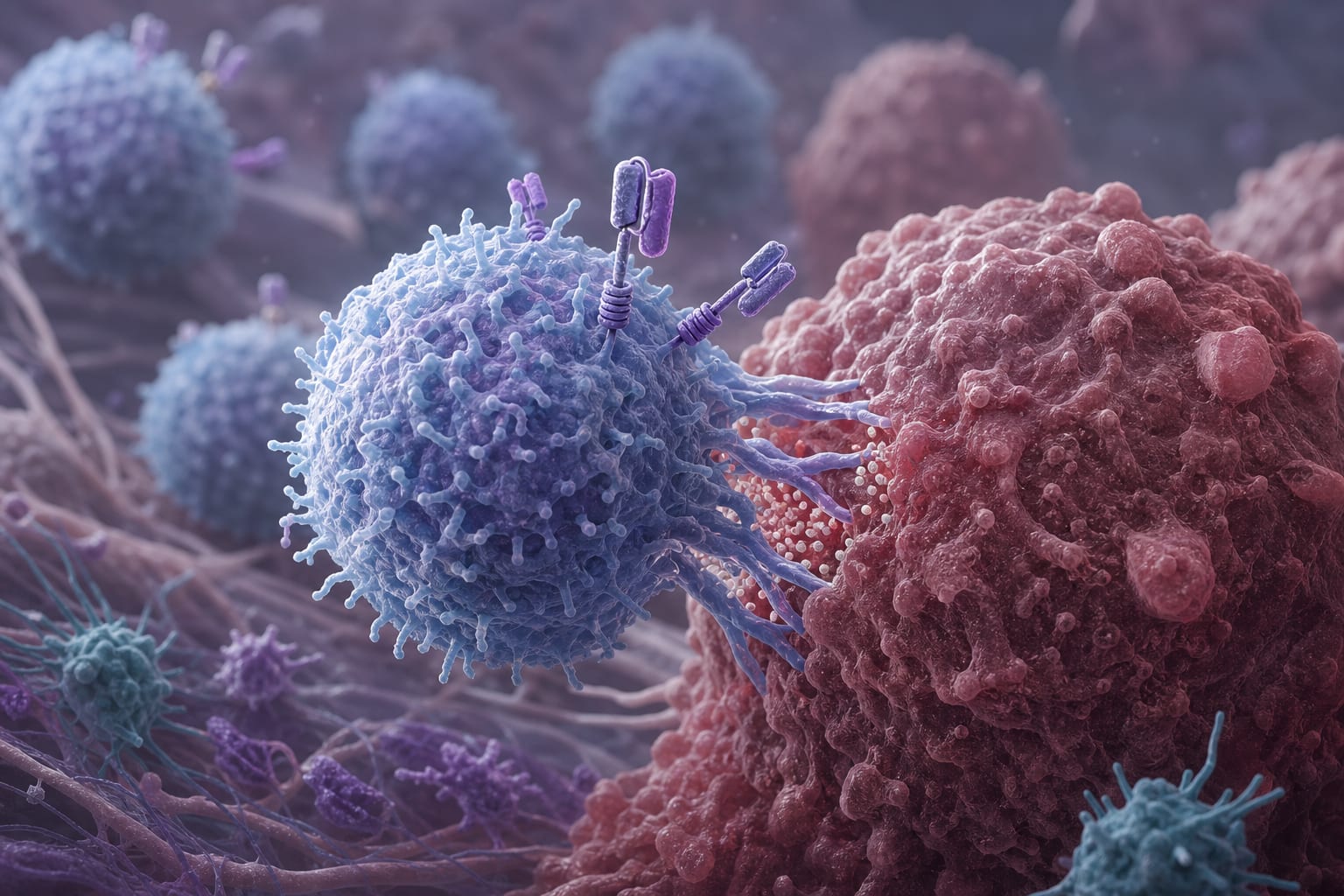
Emerging therapies targeting epigenetic and cell-cycle vulnerabilities are being explored, though clinical evidence remains limited.
Collaborative trials integrating molecular profiling and biomarker studies are essential for advancing treatment strategies.
Clinical Implications
Clinicians should consider the molecular characteristics of MRTK when developing treatment plans, as traditional approaches may not suffice for advanced cases. Participation in clinical trials that focus on biomarker-driven therapies may offer new avenues for improving patient outcomes.
Conclusion
The future of MRTK treatment lies in integrating molecular insights into clinical practice, emphasizing the need for innovative trial designs and collaborative research efforts to enhance therapeutic efficacy.