Clinical Report: Accelerated Formation of Phagosomes Enhances Control of Parasites
Overview
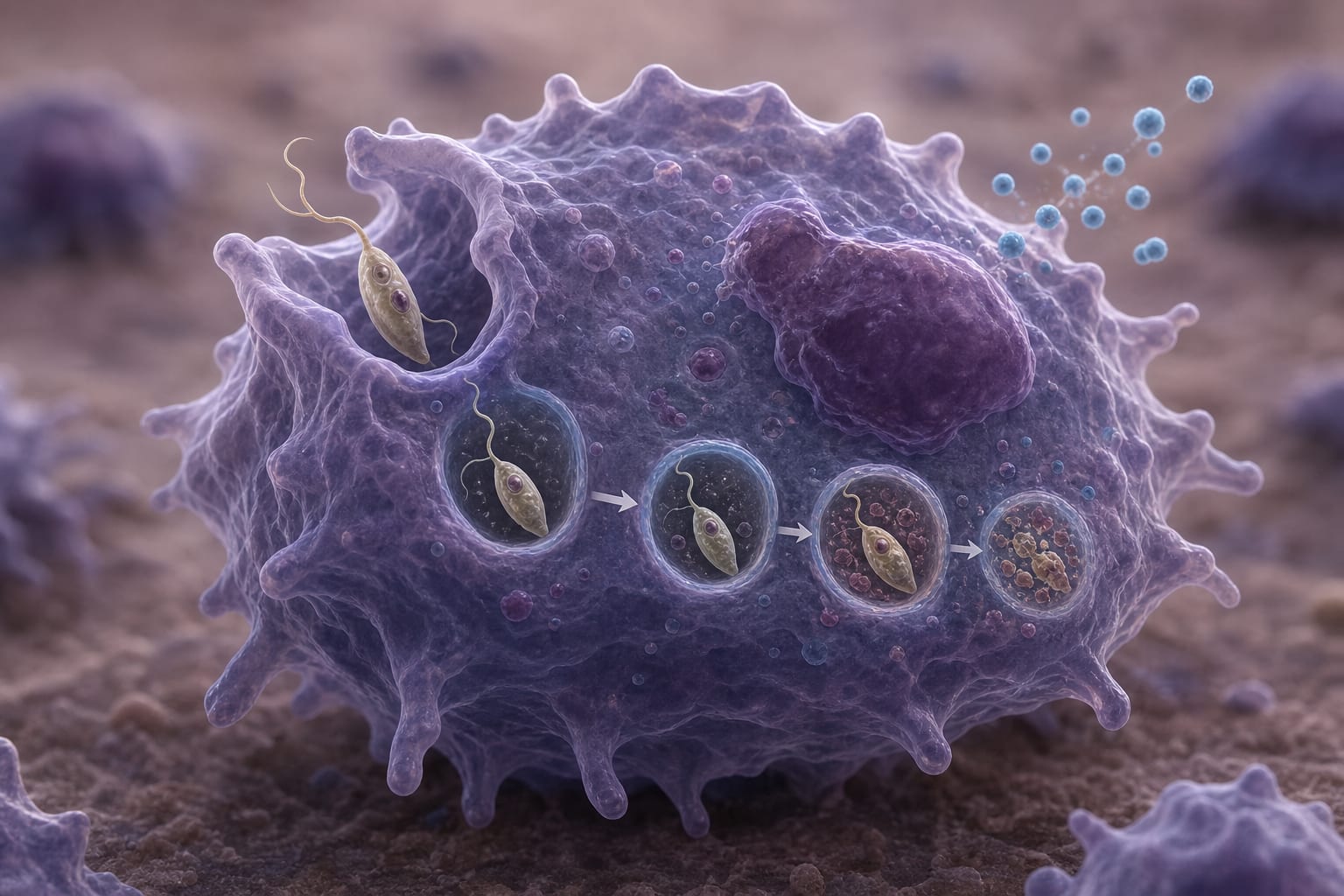
This study demonstrates that macrophages from asymptomatic individuals with Leishmania braziliensis infections exhibit accelerated phagosome formation, leading to more effective control of intracellular parasites compared to those from symptomatic cutaneous leishmaniasis patients. The findings suggest a potential mechanism for the observed control of infection in subclinical cases.
Background
Cutaneous leishmaniasis (CL) caused by Leishmania braziliensis presents significant clinical challenges due to its inflammatory responses and varied manifestations. Asymptomatic infections, characterized by a positive Leishmania skin test without clinical disease, are common in endemic areas, yet the mechanisms underlying their effective immune response remain poorly understood. Understanding these mechanisms is crucial for developing targeted therapies and improving management strategies for leishmaniasis.
SC MØ maintain effective control of L. braziliensis, killing parasites within the first 48 hours of infection.
Higher expression of lysosome-associated membrane protein-1 (LAMP-1) is observed in SC MØ during early infection stages.
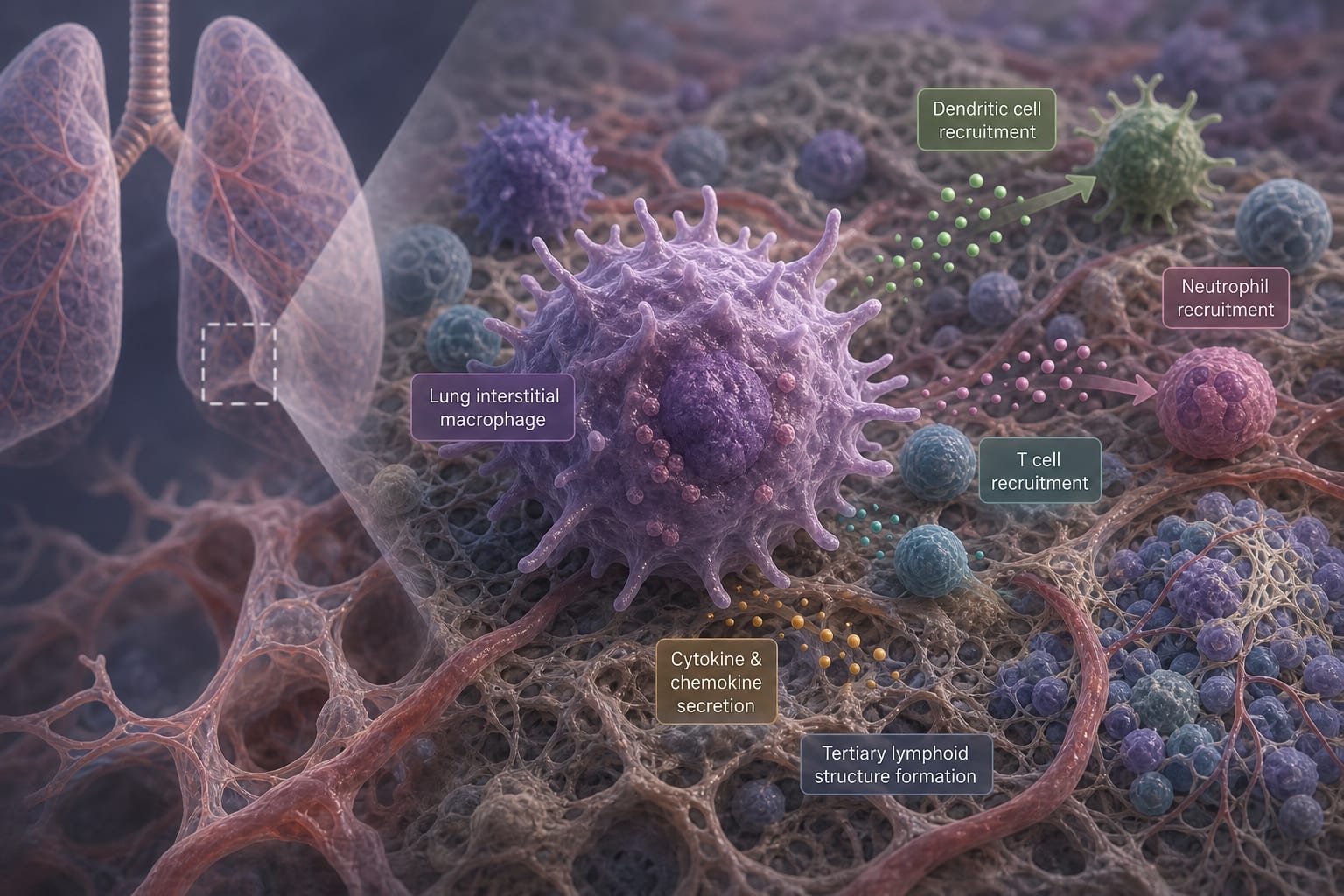
Despite lower levels of pro-inflammatory cytokines, SC individuals effectively control L. braziliensis infection.
Understanding the mechanisms of SC MØ may inform therapeutic strategies for leishmaniasis.
Clinical Implications
The findings highlight the importance of phagosome maturation in controlling Leishmania infections, suggesting that enhancing this process could be a therapeutic target. Clinicians should consider the immune profiles of asymptomatic individuals when developing treatment strategies for leishmaniasis.
Conclusion
This study underscores the role of accelerated phagosome formation in the effective control of Leishmania braziliensis by asymptomatic individuals, providing insights that could inform future therapeutic approaches.
by Caic Figueiredo, Alan Rocha dos Santos, Camila Pimentel, Maurício T. Nascimento, Fabio Peixoto, Vítor Oliveira, Olivia Bacellar, Lucas P. Carvalho, Edgar M. Carvalho, Thiago M. Cardoso