Clinical Report: Intestinal Metastases from Gastric Adenocarcinoma with SRCC
Background
Gastric carcinoma is a prevalent cancer globally, with signet ring cell carcinoma (SRCC) being a poorly differentiated subtype known for its aggressive metastatic behavior. While common metastatic sites include the liver and lungs, intestinal metastases are rare and can complicate diagnosis and treatment. Understanding these unusual metastatic patterns is crucial for accurate clinical management.
Data Highlights
No numerical data or trial data presented in the article.
Key Findings
A 62-year-old man with gastric SRCC exhibited epigastric pain and elevated serum CEA levels (400 ng/ml).
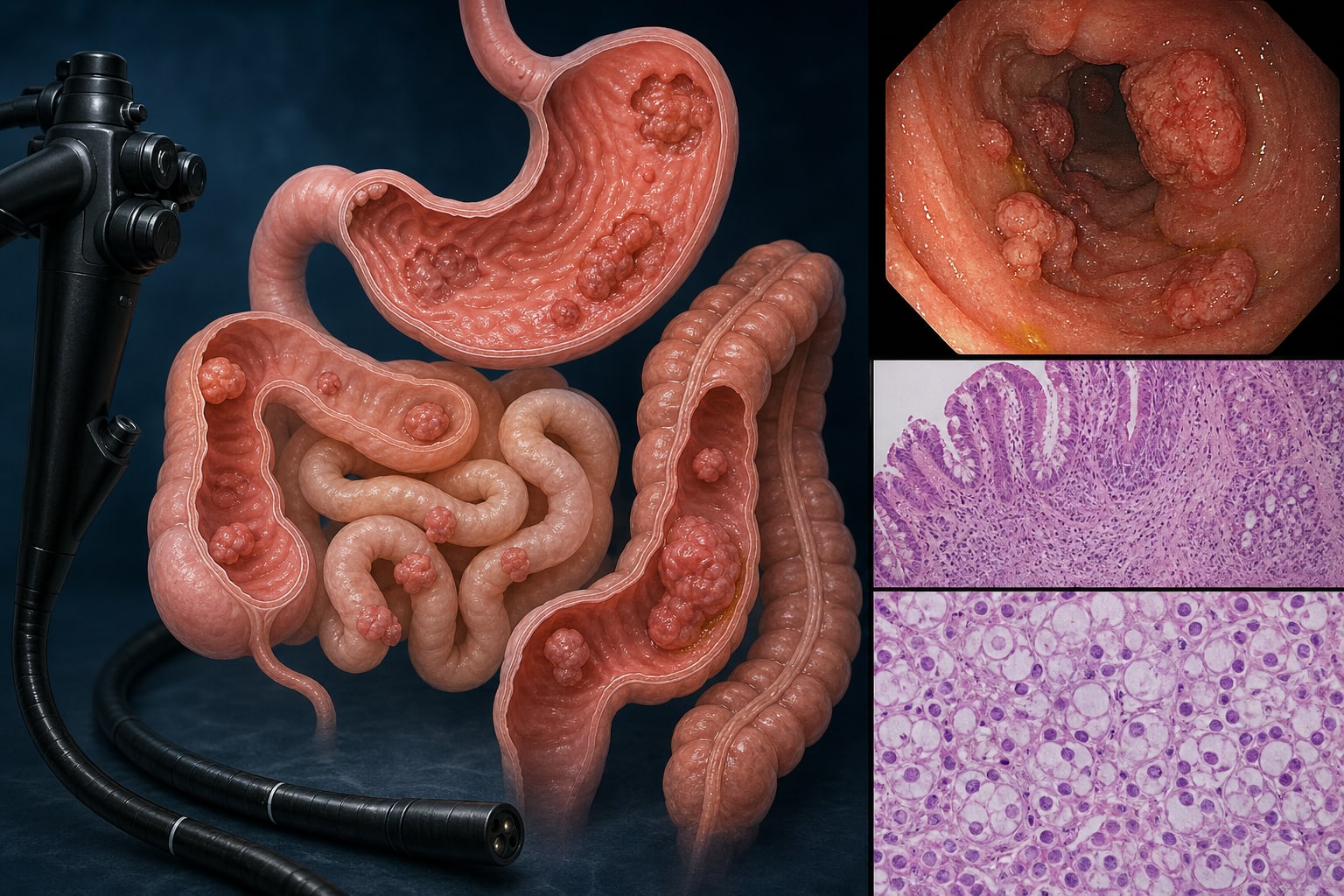
Endoscopic evaluations revealed multiple ulcerative and polypoid lesions in the stomach and intestines.
Histopathological examination confirmed poorly differentiated adenocarcinoma with signet ring cell features.
Imaging studies indicated thickening of the gastric wall and multiple bone metastases.
CK7+/CK20+ expression can help differentiate metastatic gastric SRCC from primary colorectal carcinoma.
Systemic chemotherapy is typically favored over surgical intervention for widespread lesions.
Clinical Implications
Clinicians should be aware of the potential for unusual metastatic patterns in gastric SRCC, particularly intestinal involvement. Thorough endoscopic and pathological assessments are essential to prevent misdiagnosis and guide appropriate management strategies.
Conclusion
This case describes a rare instance of intestinal metastases from gastric SRCC, emphasizing the need for thorough diagnostic approaches.