The Relationship Between Vitamin D, Metabolic Dysfunction-Associated Steatotic Liver Disease, and Type 2 Diabetes: A Comprehensive Review of Global Insights and Perspectives for Sub-Saharan Africa - Report - MDSpire
Advertisement
The Relationship Between Vitamin D, Metabolic Dysfunction-Associated Steatotic Liver Disease, and Type 2 Diabetes: A Comprehensive Review of Global Insights and Perspectives for Sub-Saharan Africa
Clinical Report: Vitamin D, MASLD, and Type 2 Diabetes in Sub-Saharan Africa
Overview
This review highlights the link between Vitamin D deficiency, metabolic dysfunction-associated steatotic liver disease (MASLD), and Type 2 Diabetes Mellitus (T2DM) in Sub-Saharan Africa. It emphasizes the need for region-specific research and public health interventions to address these intertwined health issues.
Background
Metabolic dysfunction-associated steatotic liver disease (MASLD) and Type 2 Diabetes Mellitus (T2DM) are rising health concerns in Sub-Saharan Africa, exacerbated by urbanization and dietary changes. Understanding the role of Vitamin D deficiency in these conditions is crucial, as it may serve as a modifiable risk factor in a region facing unique health challenges.
Data Highlights
No numerical data available in the source material.
Key Findings
Vitamin D deficiency is linked to increased liver fibrosis and insulin resistance.
Mechanistic studies show Vitamin D has anti-inflammatory and insulin-sensitizing effects via VDR activation.
The “Vitamin D Paradox” in SSA presents unique challenges in defining deficiency.
Randomized controlled trials on Vitamin D's effects yield conflicting results due to dosing and baseline variations.
Future research should focus on ancestry-specific Vitamin D reference ranges in SSA.
Clinical Implications
Healthcare professionals should consider Vitamin D status in patients with MASLD and T2DM, particularly in Sub-Saharan Africa. Public health strategies may need to include Vitamin D fortification and tailored interventions to address the region's unique metabolic health landscape.
Conclusion
Vitamin D deficiency may significantly influence the MASLD-T2DM relationship in Sub-Saharan Africa, necessitating further research and targeted public health initiatives.
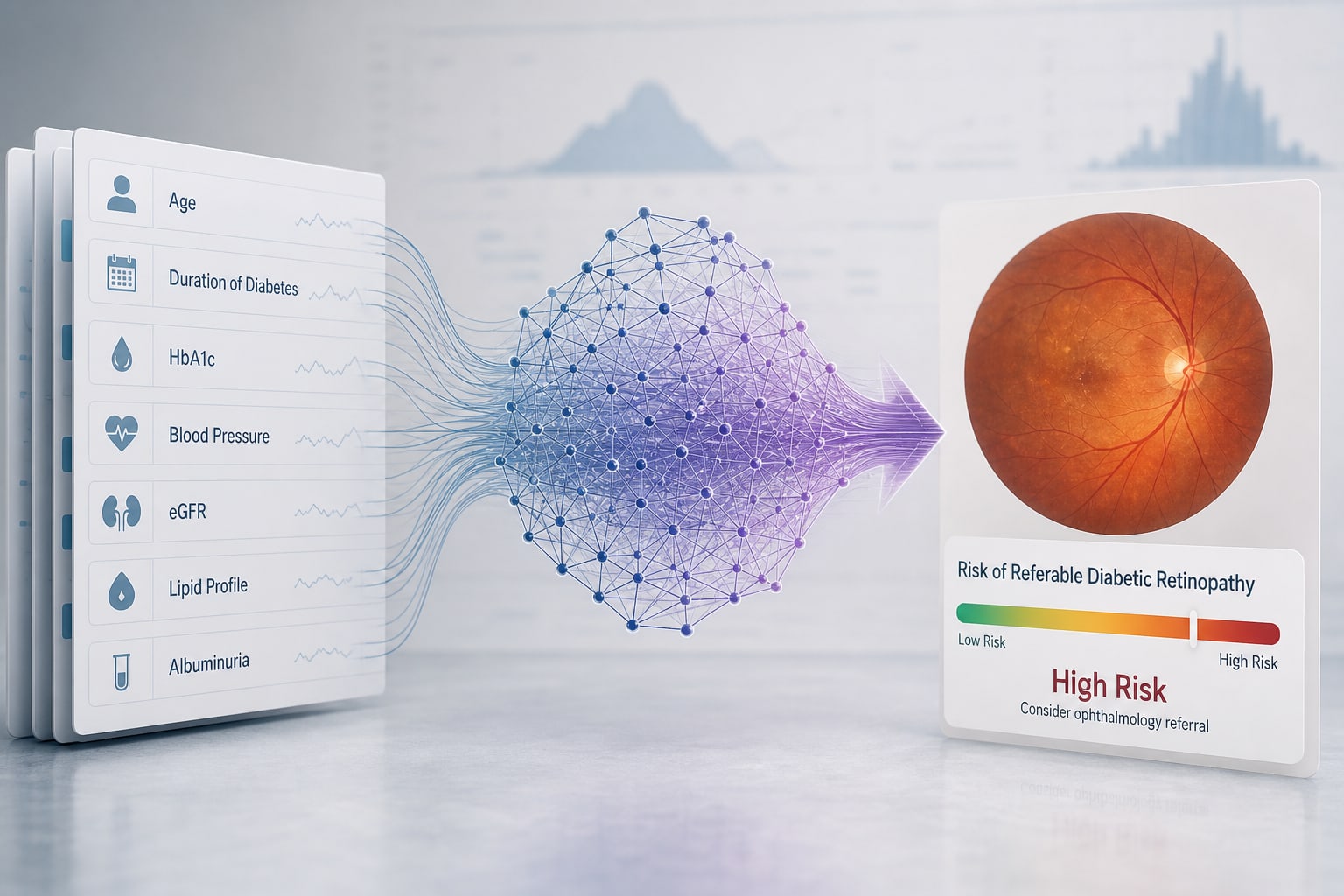
"AI could help reduce the burden on ophthalmology services by triaging large numbers of patients with diabetes and allowing specialists to focus on those who most urgently need care."