Conexiant’s news site is now MDSpire News. Learn more
Advertisement
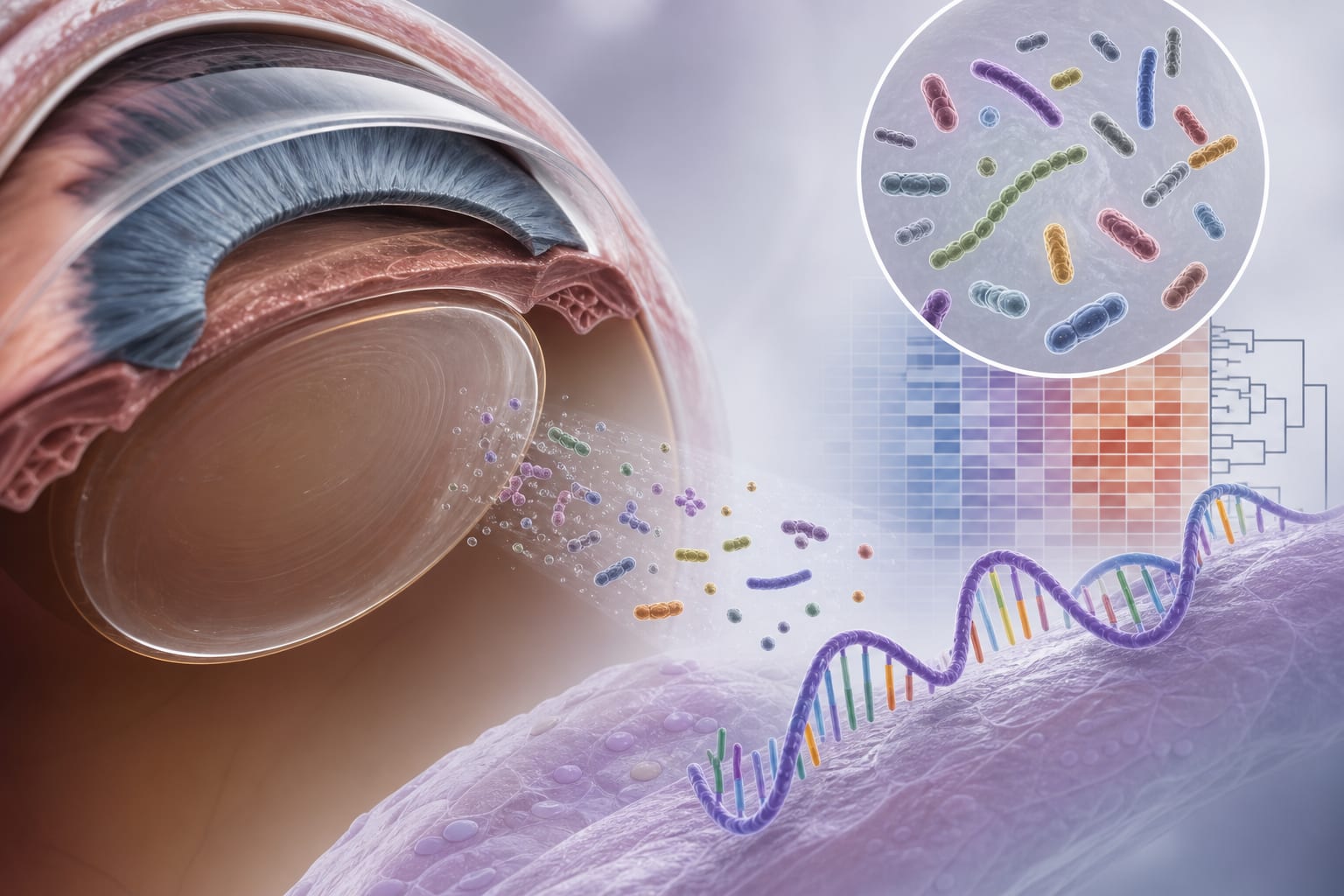
Comprehensive Examination of Aqueous Humor Microbiome and Lens Capsule Transcriptome in Patients with High Myopia Cataract: A Preliminary Investigation
Clinical Report: Aqueous Humor Microbiome and Lens Capsule in High Myopia Cataract
Overview
This study investigates the aqueous humor microbiome and lens capsule transcriptome in patients with high myopia cataract. Significant alterations in microbial diversity and metabolic pathways were observed.
Background
High myopia is a significant risk factor for cataract development, complicating surgical procedures and increasing postoperative complications. Understanding the unique mechanisms behind high myopia-associated cataracts is crucial.
Data Highlights
Microbial Changes
Abundance
Escherichia
Decreased
Neisseria
Increased
Capnocytophaga
Increased
Veillonella
Increased
Rhodococcus
Increased
Jensenia
Increased
Corynebacterium
Increased
Key Findings
High myopia cataract patients showed significant alterations in aqueous humor microbial diversity.
Decreased abundance of Escherichia and increased abundance of Neisseria, Capnocytophaga, Veillonella, Rhodococcus, Jensenia, and Corynebacterium were noted.
Functional predictions indicated shifts in local metabolic pathways associated with cataract progression.
Transcriptomic analysis revealed reprogramming of metabolism-related genes in the lens capsule.
Activation of downstream signaling pathways, including ErbB and HIF-1, was observed, linked to lens epithelial cell apoptosis.
Clinical Implications
The findings indicate that the aqueous humor microbiome may influence the metabolic microenvironment of the lens.
Conclusion
This preliminary investigation highlights the complex interplay between the aqueous humor microbiome and lens capsule transcriptome in high myopia cataract.
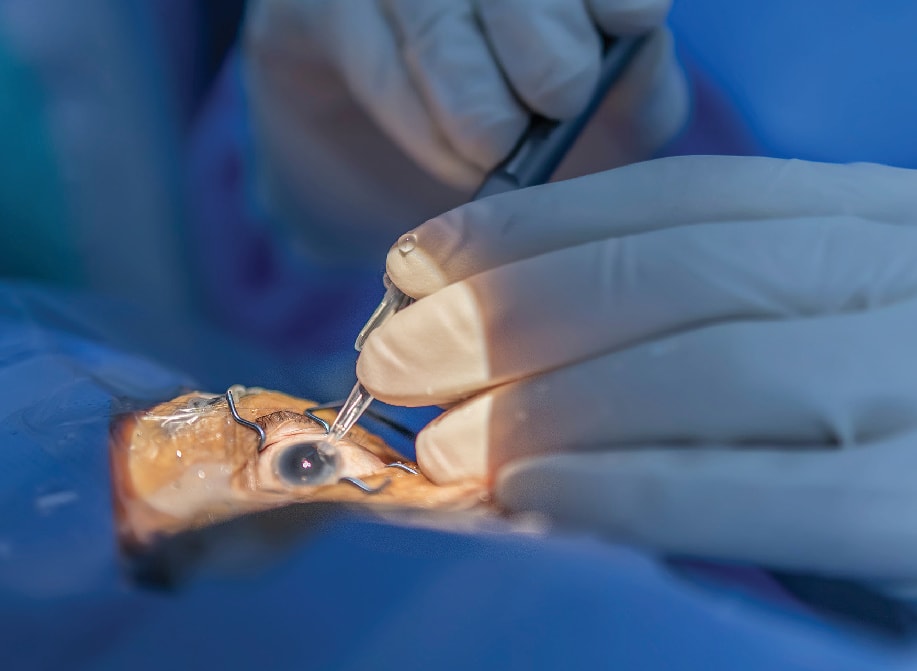
The promise of robotic cataract surgery has been floating through the halls of ophthalmology meetings for years, and it appears the promise is now on its way to reality.