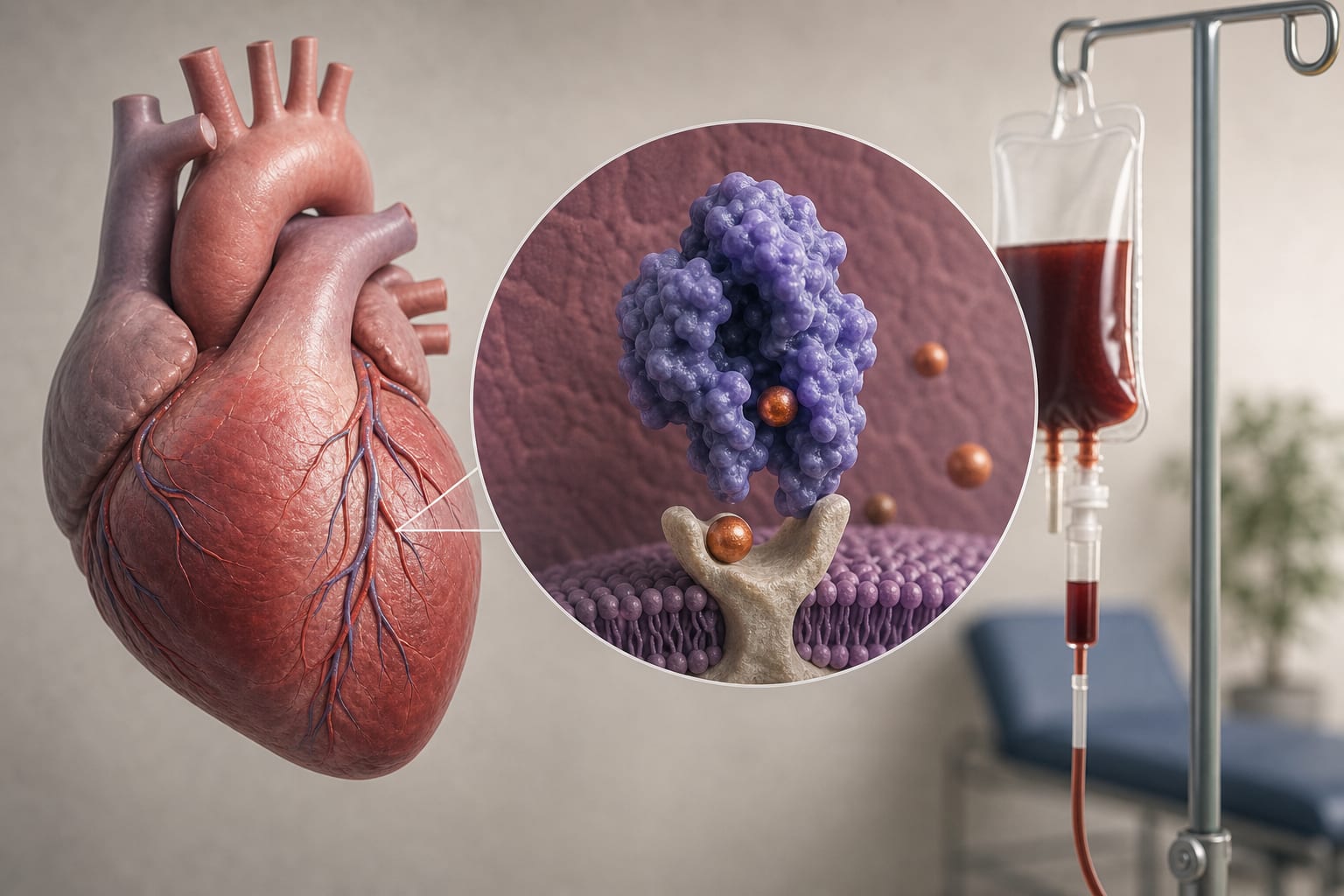
Clinical Report: The Heart Donation Advances Shortening the Transplant Wait List
Overview
Recent innovations in heart transplantation are significantly increasing the donor pool and improving patient outcomes. Key advancements include the use of temporary artificial heart pumps, expanded donor eligibility criteria, and improved organ preservation techniques.
Background
The demand for heart transplants continues to exceed supply, with over 4,000 patients currently on the waiting list. Innovations in medical technology and changes in donor eligibility are crucial for addressing this disparity and improving survival rates for patients awaiting transplantation.
Data Highlights
Revise to include qualitative insights from the source, such as the impact of innovations on patient survival and donor eligibility.
Key Findings
Temporary artificial heart pumps have improved, allowing stabilization of sicker patients.
Expanded donor eligibility now includes hepatitis and HIV-positive patients, increasing available organs.
Normothermic regional perfusion (NRP) helps maintain organ viability during cardiac death donation.
ECMO and perfusion devices enhance the preservation of hearts for transplantation.
Donation after circulatory death (DCD) has surged, accounting for 13.4% of deceased-donor heart transplants in 2023.
Clinical Implications
Clinicians should consider the evolving criteria for donor eligibility and the use of advanced technologies in patient management. These innovations can provide more options for patients awaiting heart transplants and improve overall outcomes.
Conclusion
The advancements in heart donation and transplantation are critical in addressing the ongoing organ shortage and enhancing the survival of patients in need of transplants.