Pediatric Bowhunter Syndrome: What Do We Know?
-
June 19, 2026
Clinical Report: Pediatric Bowhunter Syndrome: What Do We Know?
Overview
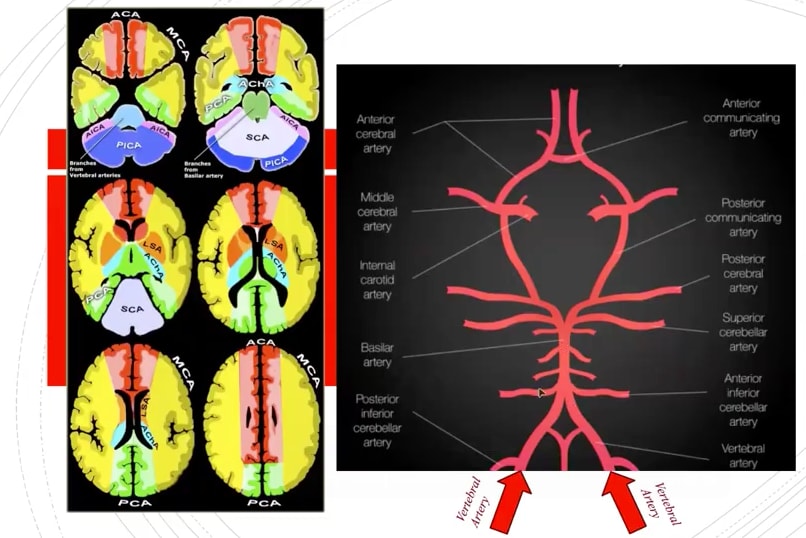
Bowhunter syndrome (BHS) is a rare cause of posterior circulation stroke in children, often presenting with stroke rather than transient symptoms. This report highlights the pediatric-specific presentation, risk factors, and treatment options for BHS, as noted in the source material.
Background
Bowhunter syndrome arises from vertebral artery compression during head rotation, necessitating awareness among healthcare providers for timely diagnosis and management.
Data Highlights
No numerical data or trial results are provided in the source material.
Key Findings
- Children with Bowhunter syndrome often present with stroke rather than transient positional symptoms.
- Identification of subtypes of Bowhunter syndrome is essential for appropriate management.
- Risk factors for Bowhunter syndrome in pediatrics include anatomical variations and dynamic compression during head movements.
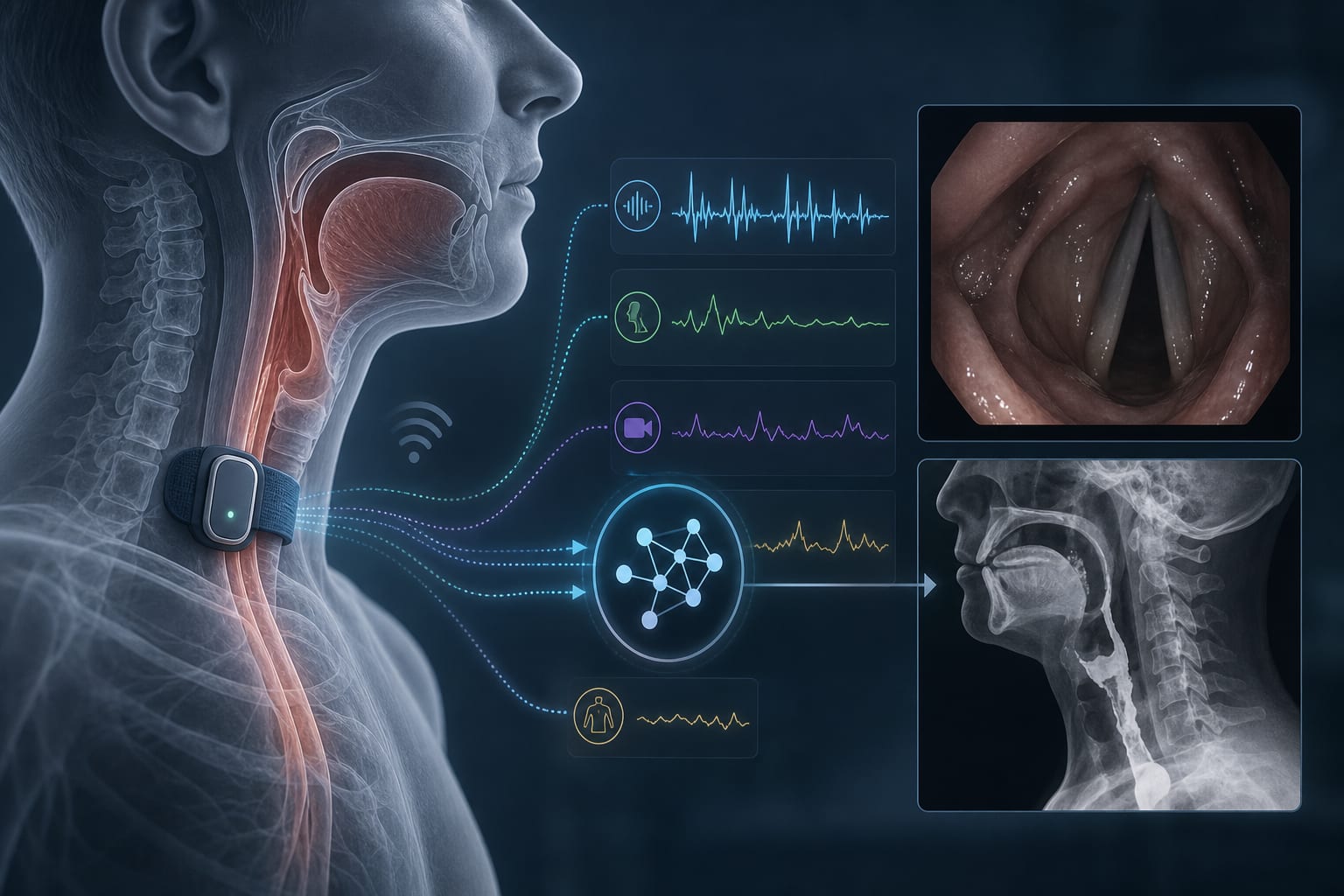
- Current guidelines emphasize the importance of advanced imaging techniques for diagnosis.
- Management options may include surgical intervention in select cases.
Clinical Implications
Early recognition and appropriate imaging are critical for effective management of Bowhunter syndrome in pediatric patients presenting with stroke.
Conclusion
Bowhunter syndrome represents a rare consideration in pediatric stroke cases, highlighting the need for awareness and timely intervention.
Related Resources & Content
- American Heart Association, Newsroom, 2026 -- New guideline expands stroke treatment for adults, offers first pediatric stroke guidance
- StatPearls, NCBI Bookshelf -- Rotational Vertebral Artery Syndrome
- PMC, 2023 -- Bow hunter’s syndrome due to an anomalous right vertebral artery origin and contralateral absence: a case report and literature review
- Clinical Rheumatology — Behçet’s Disease in Children: Insights from a Tertiary Care Center in the UK
- Clinical Rheumatology — Chimeric Antigen Receptor T Cell Therapy for Pediatric Systemic Lupus Erythematosus
- Frontiers in Pediatrics — Secondary hemophagocytic lymphohistiocytosis in pediatric patients: a single-center experience
- The Journal of Clinical Endocrinology & Metabolism — Management Strategies for Osteoporosis Induced by Glucocorticoids in Pediatric Patients
- New guideline expands stroke treatment for adults, offers first pediatric stroke guidance | American Heart Association
- Rotational Vertebral Artery Syndrome - StatPearls - NCBI Bookshelf
- Bow hunter’s syndrome due to an anomalous right vertebral artery origin and contralateral absence: a case report and literature review - PMC
Based on findings from:
Pediatric Bowhunter Syndrome: What Do We Know?
Phoenix Children's Medical Connection, 2026.
https://www.phoenixchildrensmedconnection.org/videos/pediatric-bowhunter-syndrome-what-do-we-know
This content is an AI-generated, fully rewritten summary based on a published scholarly article. It does not reproduce the original text and is not a substitute for the original publication. Readers are encouraged to consult the source for full context, data, and methodology.