Clinical Report: Dr. Geoffrey Young on Sentinel Lymph Node Procedures
Overview
In the latest episode of SurgOnc Today, Dr. Geoffrey Young and colleagues discuss sentinel lymph node biopsy (SLNB) in skin cancer staging.
Background
Sentinel lymph node biopsy is a critical procedure in the staging of skin cancers, particularly melanoma and Merkel cell carcinoma. Understanding the nuances of SLNB is essential for oncologists.
Data Highlights
No numerical data or trial results were provided in the source material.
Key Findings
SLNB is primarily a staging tool, with its use dependent on tumor type and features.
For cutaneous melanoma, routine SLNB is not recommended for pT1a disease according to updated European guidelines.
Positive SLNBs are managed without immediate completion lymph-node dissection, favoring ultrasound surveillance instead.
In Merkel cell carcinoma, SLNB is recommended for clinically node-negative patients to detect occult nodal involvement.
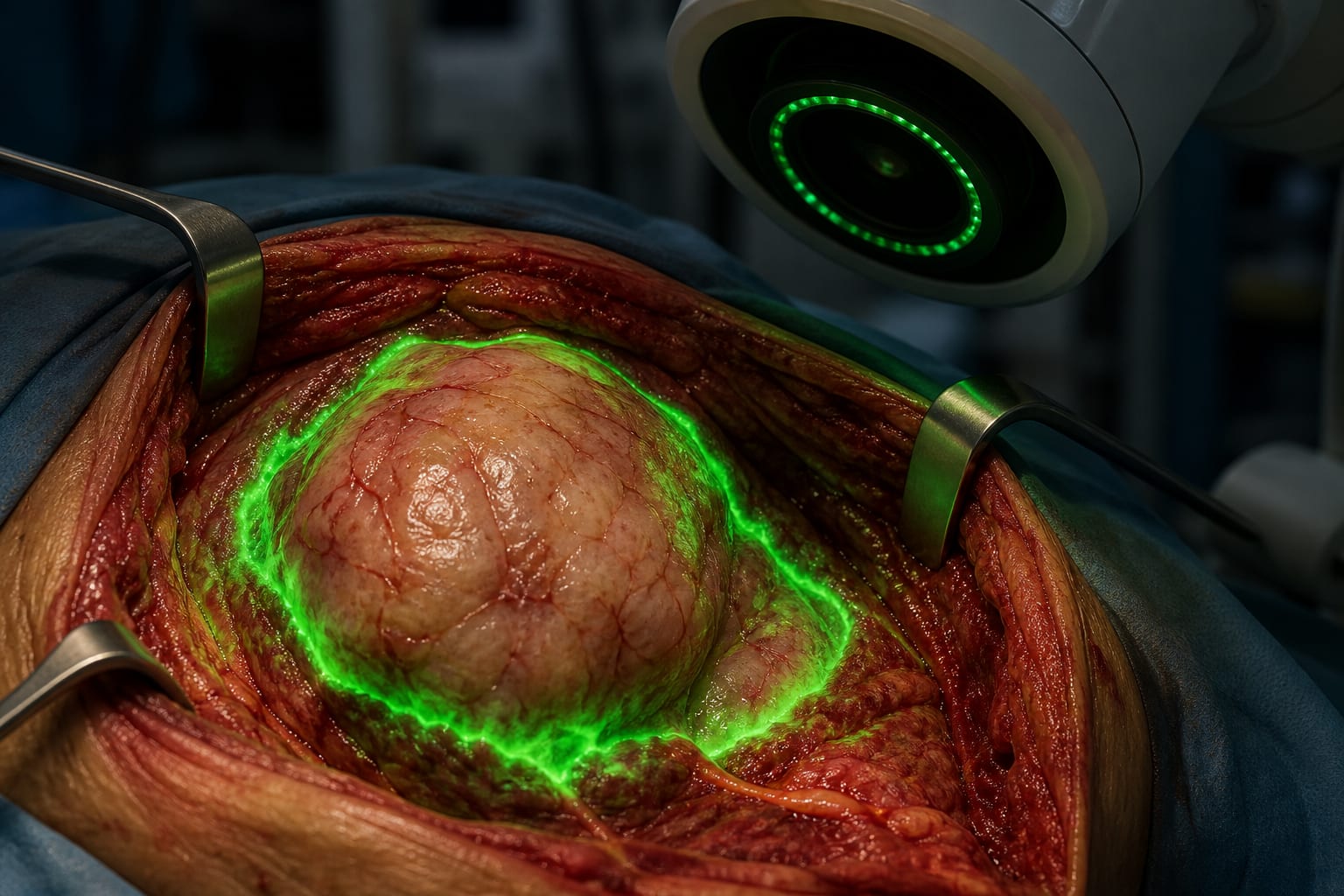
Recent technology assessments indicate that near-infrared indocyanine-green fluorescence can aid in SLN localization.
Clinical Implications
The discussion highlights the importance of updated guidelines on SLNB.
Conclusion
The insights shared by Dr. Young and his colleagues reflect evolving practices in surgical oncology related to sentinel lymph node procedures.