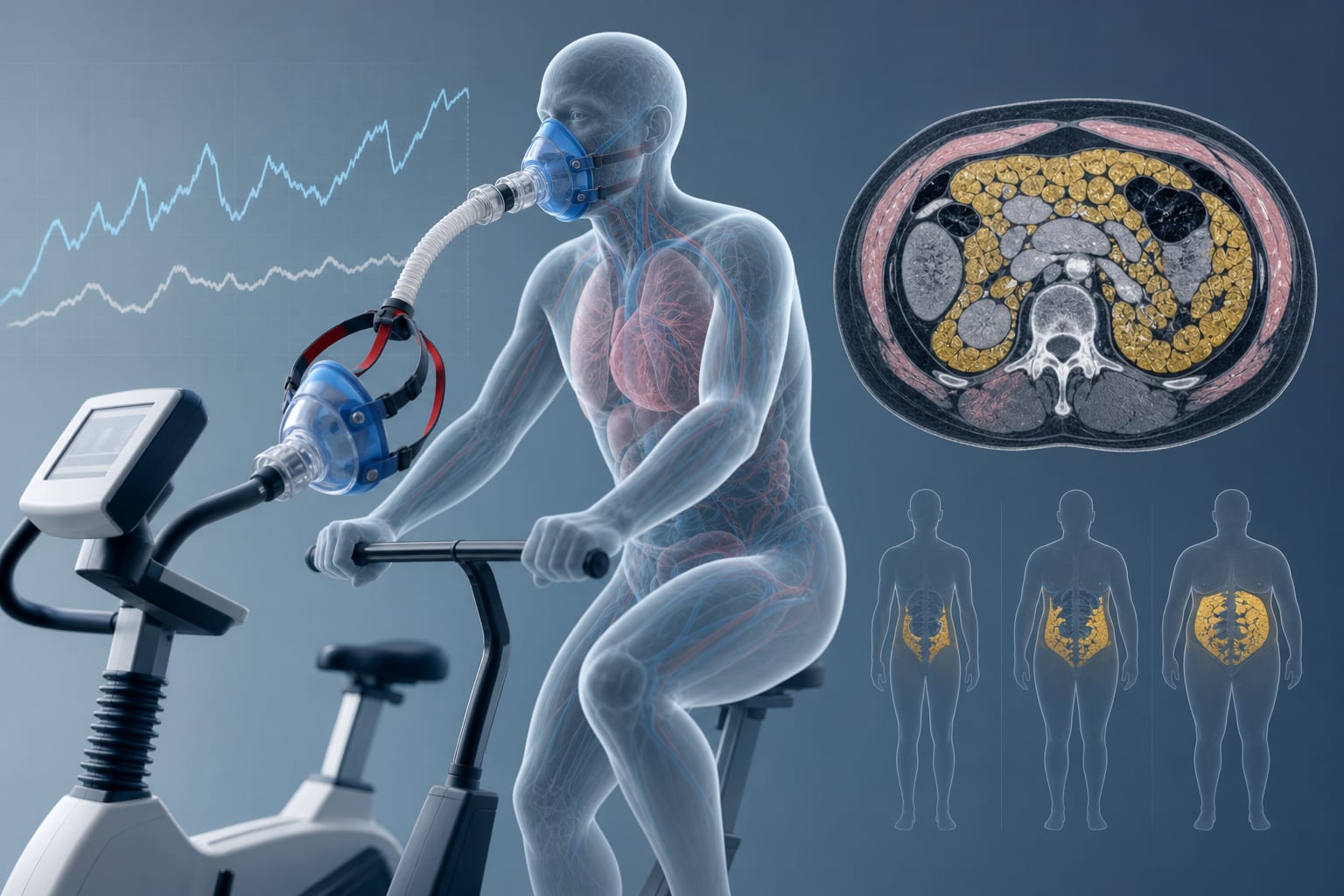
This report summarizes recent research publications from Cedars-Sinai, highlighting studies in cardiovascular imaging, postoperative monitoring, and disparities in cardiovascular outcomes. Key findings include the impact of environmental sustainability on imaging practices and the importance of addressing disparities in treatment outcomes.
Background
The integration of sustainability into healthcare practices is increasingly important, particularly in radiology and cardiovascular imaging. Recent studies emphasize the need for appropriate imaging protocols that minimize environmental impact while maintaining diagnostic efficacy. Understanding disparities in treatment outcomes is crucial for improving patient care across diverse populations.
Data Highlights
No numerical data available in the source material.
Key Findings
Cardiovascular imaging practices must adapt to sustainability goals while ensuring quality care.
Postoperative monitoring can significantly enhance patient outcomes in hospital wards.
Disparities exist in cardiovascular outcomes related to race, ethnicity, and geography among patients using GLP-1 receptor agonists.
Research on the oral microbiome reveals compositional differences between cancer patients and healthy controls.
Machine learning models show promise in diagnosing advanced fibrosis in chronic hepatitis B patients.
Clinical Implications
Healthcare professionals should consider the environmental impact of imaging modalities and strive to implement sustainable practices. Additionally, addressing disparities in treatment outcomes is essential for equitable patient care, particularly in cardiovascular medicine.
Conclusion
The recent publications from Cedars-Sinai underscore the importance of integrating sustainability into clinical practices while addressing health disparities. Continued research in these areas will enhance patient care and promote responsible healthcare delivery.