A New Era in Alzheimer’s Care: The Shift Toward Early Detection and Prevention - Report - MDSpire
Advertisement
A New Era in Alzheimer’s Care: The Shift Toward Early Detection and Prevention
The future of Alzheimer’s care holds incredible promise. Recently, leaders from medicine, government, and the pharmaceutical industry gathered to discuss this exact topic.
Clinical Report: A New Era in Alzheimer’s Care: The Shift Toward Early Detection and Prevention
Overview
The medical community is transitioning towards early detection and prevention of Alzheimer’s disease, moving away from reactive diagnosis. This proactive approach aims to identify cognitive decline risk before symptoms manifest, potentially allowing for timely interventions.
Background
Alzheimer’s disease has traditionally been diagnosed only after significant cognitive decline occurs, often leaving families unprepared. The shift to early detection is crucial as it opens avenues for timely interventions that could delay or prevent cognitive impairment. Advances in brain science and diagnostic tools are making this proactive model feasible.
Data Highlights
Remove placeholder text and state that no specific numerical data was provided in the source material.
Key Findings
Early detection of Alzheimer’s can lead to timely interventions that may prevent cognitive decline.
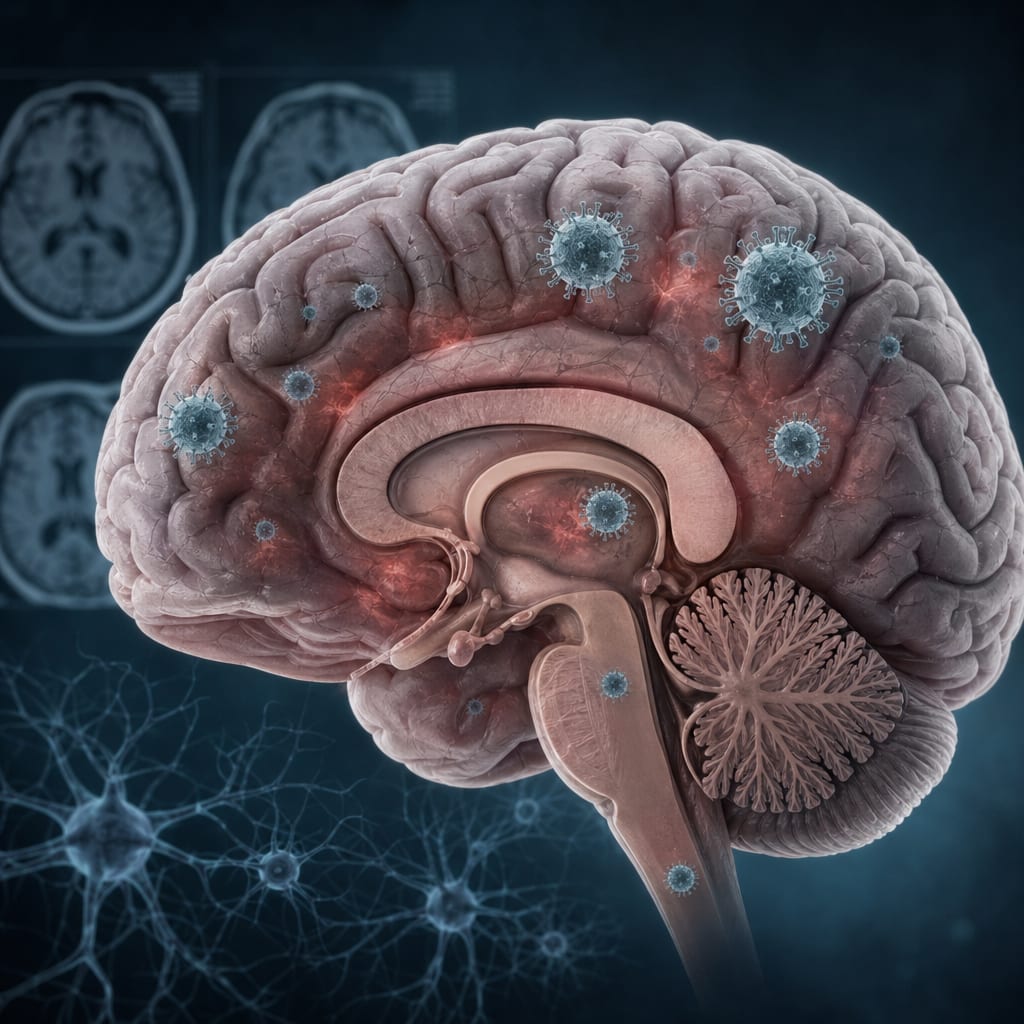
Blood-based biomarkers and advanced imaging techniques are being developed to identify Alzheimer’s risk years before symptoms appear.
Current clinical trials are testing medications for individuals with early biological signs of Alzheimer’s but normal cognitive function.
Establishing guidelines for screening and diagnosis is essential for the successful implementation of early detection strategies.
Healthcare systems must adapt to support early detection through policy changes and insurance coverage for diagnostic methods.
Clinical Implications
Healthcare professionals should prioritize the development and implementation of early screening protocols for Alzheimer’s disease. Understanding and utilizing new diagnostic tools will be essential in managing brain health proactively, similar to cardiovascular health.
Conclusion
The transition to early detection and prevention of Alzheimer’s disease represents a significant advancement in patient care, with the potential to enhance quality of life for millions. Continued research and policy support will be critical in realizing this vision.