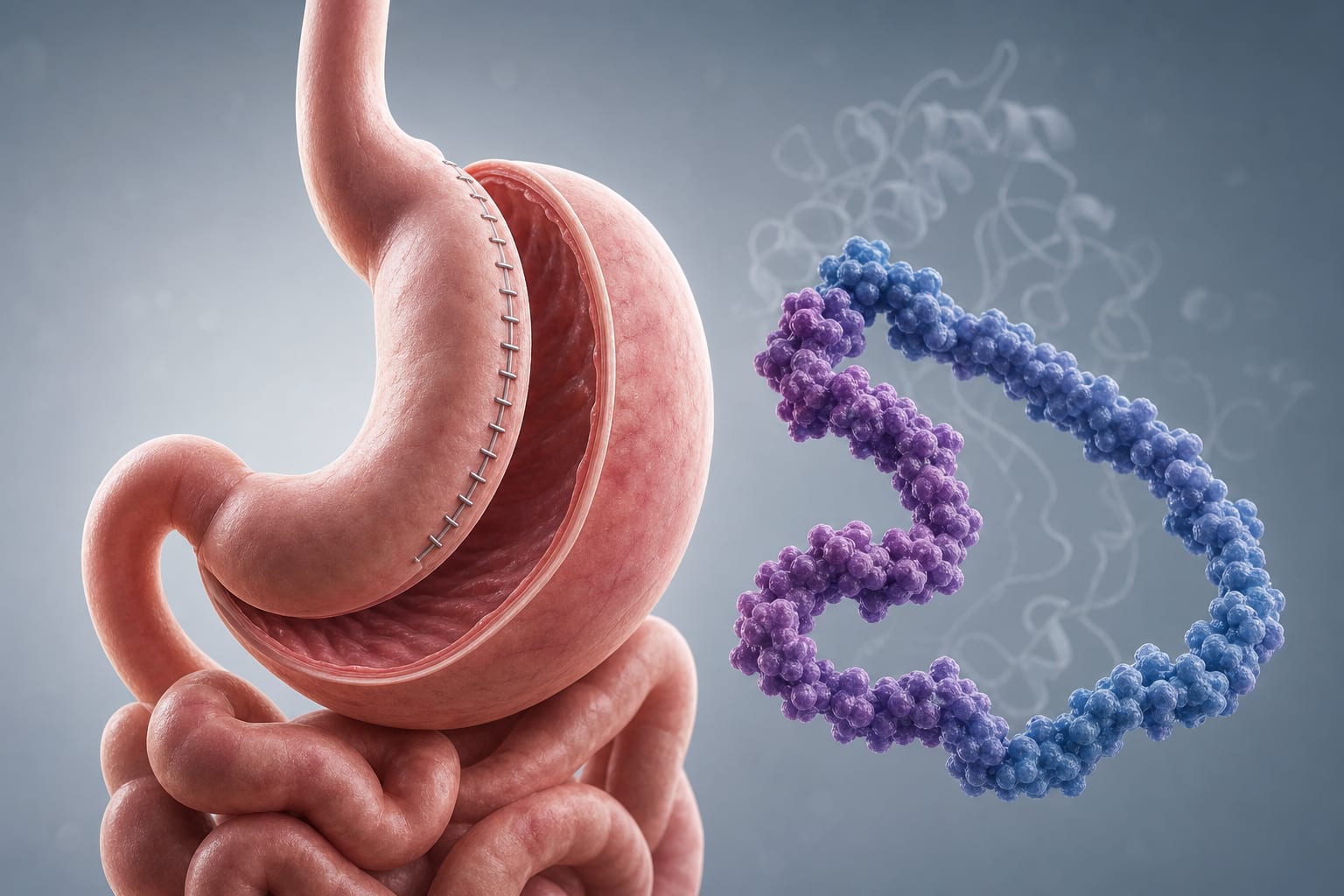
Clinical Report: GLP-1s Are Not the End of Bariatric Surgery
Overview
Revise to emphasize that GLP-1s are a complementary tool in obesity treatment, not a replacement for surgery.
Background
The management of obesity has traditionally followed a linear path from lifestyle changes to medication and finally to surgery. However, this model is evolving towards a more integrated, multimodal approach that recognizes obesity as a complex, chronic condition requiring individualized treatment strategies. The recent approval of oral GLP-1 medications further expands treatment options, making it essential for healthcare providers to adapt their practices accordingly.
Data Highlights
No specific numerical data presented in the source material.
Key Findings
GLP-1 medications have increased patient engagement in obesity treatment, with one in eight Americans having tried a GLP-1.
Oral semaglutide has specific dosing requirements that may complicate adherence.
Orforglipron, a new oral GLP-1, offers a more user-friendly dosing regimen without fasting or water restrictions.
GLP-1s can be used preoperatively to reduce surgical risks and optimize outcomes.
Despite their effectiveness, GLP-1s may not achieve sufficient weight loss for all patients, necessitating surgical options for some.
Multidisciplinary approaches in obesity care are becoming the standard, integrating medications and surgical interventions.
Clinical Implications
Healthcare providers should adopt a multimodal approach to obesity management, utilizing both GLP-1 medications and surgical options based on individual patient needs. Continuous patient education about the complexities of obesity treatment is essential to optimize outcomes and reduce stigma.
Conclusion
Strengthen the message on the importance of individualized treatment approaches.