Clinical Report: Dana-Farber Research News 04.15.2026
Overview
This report summarizes recent research findings from Dana-Farber faculty, highlighting significant studies on pineoblastoma, monetary transfer interventions in cancer research, and treatment for vasomotor symptoms in prostate cancer. These studies provide insights into tumor biology, ethical considerations in clinical research, and symptom management in cancer therapy.
Background
Understanding the latest research in oncology is crucial for improving patient outcomes and informing clinical practice. The studies highlighted in this report address pressing issues in cancer treatment, including the biological underpinnings of aggressive tumors and innovative approaches to enhance patient care through economic interventions. Additionally, symptom management remains a critical aspect of cancer therapy, particularly for patients undergoing androgen deprivation therapy.
Data Highlights
No numerical data available in the provided source material.
Key Findings
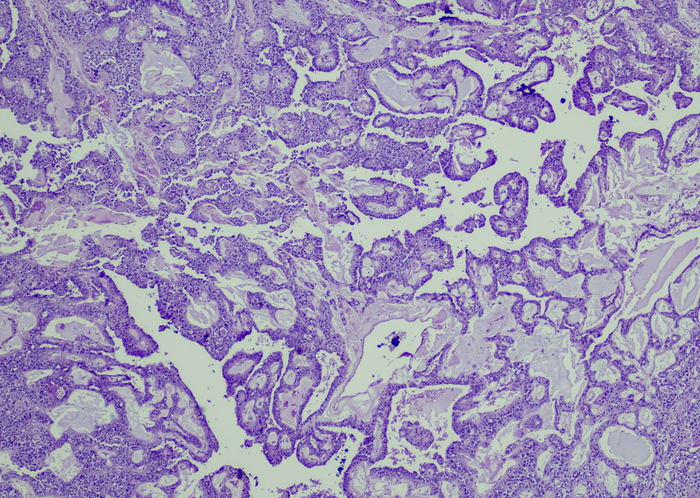
- Pineoblastoma exhibits distinct molecular subgroups with a common tumor-associated photoreceptor signature (TAPS) shared with retinoblastoma and Group 3 medulloblastoma.
- Monetary transfer interventions (MTIs) are being evaluated as a novel approach to improve health outcomes in cancer research, presenting unique ethical challenges.
- Vasomotor symptoms (VMS) significantly impact adherence to androgen deprivation therapy in prostate cancer patients, highlighting the need for effective management strategies.
- Older patients with brain metastases face unique survival challenges and treatment disparities, emphasizing the importance of social determinants of health.
- Integrative computational analyses can help trace the developmental origins of tumors, potentially guiding future therapeutic strategies.
Clinical Implications
The findings underscore the importance of personalized approaches in cancer treatment, particularly in understanding tumor biology and addressing patient symptoms. Clinicians should consider the implications of economic interventions in clinical trials and the need for effective management of treatment-related symptoms to enhance patient adherence and quality of life.
Conclusion
This report highlights significant advancements in cancer research that may inform clinical practice and improve patient outcomes. Ongoing studies will continue to shape our understanding of cancer biology and treatment efficacy.
Related Resources & Content
- Dana-Farber Research News, Dana-Farber, 2026 -- Dana-Farber Research News 04.01.2026
- Dana-Farber Cancer Institute, Lifespan Partner to Advance Cancer Treatment and Expand Research, ASCO Post, 2016 -- Dana-Farber Cancer Institute, Lifespan Partner to Advance Cancer Treatment and Expand Research
- Studies of Novel Therapeutic Approaches Highlighted During Colorectal Cancer Awareness Month at Dana-Farber, ADA News, 2023 -- Studies of Novel Therapeutic Approaches Highlighted During Colorectal Cancer Awareness Month at Dana-Farber
- ASCO Post — TAP Homepage - The ASCO Post
- Update to ASCO Living Guideline for NSCLC Without Driver Alterations Includes First Comparison of Immunotherapy Options
- Adjuvant ribociclib plus nonsteroidal aromatase inhibitor therapy in patients with HR-positive/HER2-negative early breast cancer: 5-year follow-up of NATALEE efficacy outcomes and updated overall survival
- PSMA-Based Radiopharmaceuticals in Prostate Cancer Theranostics: Imaging, Clinical Advances, and Future Directions - PMC
Based on findings from:
Dana-Farber Research News 04.15.2026
Dana-Farber, 2026.
https://physicianresources.dana-farber.org/news/dana-farber-research-news-04-15-2026
This content is an AI-generated, fully rewritten summary based on a published scholarly article. It does not reproduce the original text and is not a substitute for the original publication. Readers are encouraged to consult the source for full context, data, and methodology.