The Future of Aortic Surgery: Cutting-Edge Techniques and Research
-
July 30, 2024
Clinical Report: The Future of Aortic Surgery: Cutting-Edge Techniques and Research
Overview
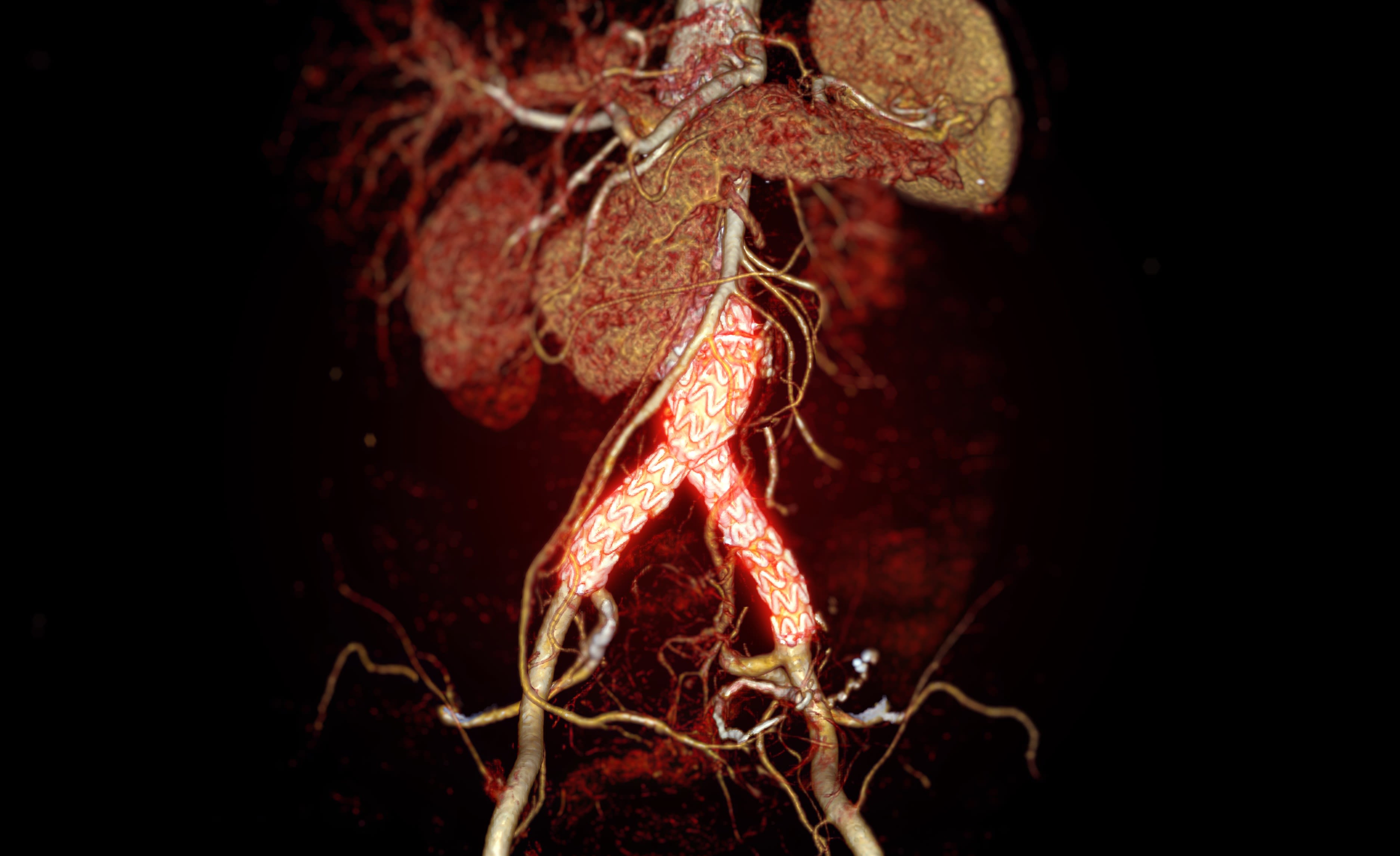
This report summarizes the latest advancements in aortic surgery, focusing on innovative techniques and research presented by experts in the field. The findings highlight the shift towards minimally invasive approaches that reduce morbidity and mortality associated with traditional surgical methods.
Background
Aortic disease presents significant clinical challenges, often requiring complex surgical interventions. Recent advancements in technology and surgical techniques are transforming the management of aortic conditions, emphasizing the importance of individualized treatment approaches. Understanding these developments is crucial for healthcare professionals involved in cardiovascular care.
Data Highlights
No numerical data available in the provided source material.
Key Findings
- Minimally invasive techniques are becoming standard for treating aortic disease.
- Individualized treatment strategies are essential for managing different segments of the aorta.
- Recent guidelines recommend surgical intervention at lower thresholds for aortic root and ascending aorta replacement.
- Emerging technologies are expected to improve patient outcomes and reduce complications.
- Ongoing research is needed to establish the long-term benefits of new surgical approaches.
Clinical Implications
Healthcare professionals should stay informed about the latest techniques in aortic surgery to optimize patient outcomes. Emphasizing minimally invasive approaches can lead to reduced recovery times and lower complication rates for patients with aortic disease.
Conclusion
The future of aortic surgery is marked by significant innovations that promise to enhance patient care. Continued research and adaptation of new techniques will be vital in addressing the complexities of aortic disease.
References
- Elnur Imanov et al., Proceedings of the PICS-AICS Virtual Symposium, 2020 -- Surgical Treatment of Infants with Critical Aortic Stenosis
- Basic Research in Cardiology, 2024 -- Exploring the Cellular and Molecular Characteristics of Ascending Thoracic Aortic Aneurysms and Dissections
- phoenix children's medical connection, 2024 -- Surgical thoracic duct decompression: The right choice for Fontan-associated protein-losing enteropathy?
- BJS (British Journal of Surgery), 2024 -- Results of a Prospective Multicenter Trial on Endovascular Repair of the Aortic Arch Using a Standard Modular Inner Branched Stent-Graft: An IDEAL 2a Study
- ESC/EACTS Guidelines for the 2025 -- Valvular Heart Disease
- Elliott A Orloff et al., 2025 -- Readmission following early thoracic endovascular aortic repair compared to optimal medical treatment for uncomplicated acute type B aortic dissection
- STS Launches New Risk Calculator for Ascending Aorta and Aortic Root Surgery | STS, 2024
- ESC/EACTS Guidelines for the
- Readmission following early thoracic endovascular aortic repair compared to optimal medical treatment for uncomplicated acute type B aortic dissection - Elliott A Orloff, Li Ding, Jeniann Yi, Sukgu M Han, Gregory A Magee, 2025
- STS Launches New Risk Calculator for Ascending Aorta and Aortic Root Surgery | STS
This content is an AI-generated, fully rewritten summary based on a published scholarly article. It does not reproduce the original text and is not a substitute for the original publication. Readers are encouraged to consult the source for full context, data, and methodology.