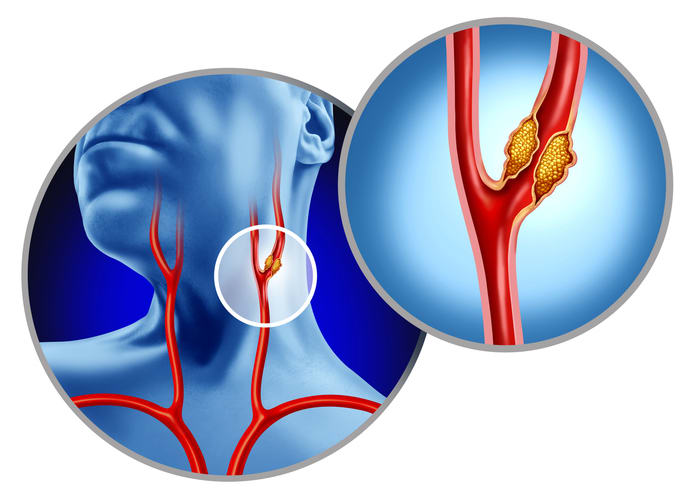
Carotid Endarterectomy: Surgical Treatment for Symptomatic Carotid Artery Disease
-
May 27, 2026
Clinical Report: Carotid Endarterectomy for Symptomatic Carotid Artery Disease
Overview
This report discusses the surgical treatment of symptomatic carotid artery disease through carotid endarterectomy (CEA). The procedure is highlighted as a critical intervention for secondary stroke prevention, emphasizing the need for tailored approaches based on individual patient anatomy and risk factors.
Background
Carotid artery stenosis is a significant contributor to stroke, making its management crucial in preventing recurrent events. Carotid endarterectomy is recognized as a safe and effective surgical option for patients with symptomatic carotid stenosis. Understanding the nuances of this procedure is essential for optimizing patient outcomes and minimizing complications.
Data Highlights
No numerical data available in the source material.
Key Findings
- Carotid endarterectomy is the preferred treatment for symptomatic carotid artery disease.
- Early revascularization, ideally within 14 days of a neurologic event, is recommended for optimal outcomes.
- CEA has a low perioperative stroke rate, which has decreased over recent years.
- Individualization of treatment strategies is essential based on patient-specific factors such as anatomy and comorbidities.
- Temporary shunt insertion during CEA may prevent cerebral ischemia during cross-clamping.
Clinical Implications
Healthcare professionals should prioritize carotid endarterectomy for patients with symptomatic carotid stenosis, ensuring timely intervention. Individualized assessment of each patient's risk profile and anatomical considerations is critical for optimizing surgical outcomes.
Conclusion
Carotid endarterectomy remains a cornerstone in the management of symptomatic carotid artery disease, with a focus on personalized treatment strategies to enhance patient safety and efficacy.
Related Resources & Content
- European Stroke Organisation guideline on endarterectomy and stenting for carotid artery stenosis - PMC, 2023 -- https://pmc.ncbi.nlm.nih.gov/articles/PMC8370086/?utm_source=openai
- Intraoperative Functional Imaging Following Extracranial Carotid Endarterectomy to Identify Cerebral Hyperperfusion Syndrome, 2022 -- https://link.springer.com/article/10.1007/s00423-022-02623-4
- Transcarotid Retrograde Stenting Techniques for Treating Stenosis at the Common Carotid Artery Ostium, 2025 -- https://link.springer.com/article/10.1007/s00701-025-06463-1
- Collateral Arterial Anatomy as a Predictor of Intra-operative Somatosensory Evoked Potential Variations in Carotid Endarterectomy Patients: A Prospective Cohort Analysis, 2020 -- https://link.springer.com/article/10.1007/s00701-020-04624-y
- Clinical Research in Cardiology — SAPPHIRE Criteria, Myocardial Infarction History, and Diabetes as Predictors of Negative Outcomes After Carotid Endarterectomy Compared to Stenting
- European Stroke Organisation guideline on endarterectomy and stenting for carotid artery stenosis - PMC
- Carotid Artery Stenting Versus Carotid Endarterectomy for Carotid Artery Stenosis: Systematic Review and Meta-Analysis of Randomized Controlled Trials - PubMed
- CREST-2: Stents But Not Endarterectomy Reduced Stroke Risk For Asymptomatic CAS - American College of Cardiology
Based on findings from:
Carotid Endarterectomy: Surgical Treatment for Symptomatic Carotid Artery Disease
Sentara, 2026.
https://www.sentaraproviderresources.com/videos/carotid-endarterectomy-surgical-treatment-for-symptomatic-carotid-artery-disease
This content is an AI-generated, fully rewritten summary based on a published scholarly article. It does not reproduce the original text and is not a substitute for the original publication. Readers are encouraged to consult the source for full context, data, and methodology.