Conexiant’s news site is now MDSpire News. Learn more
Advertisement
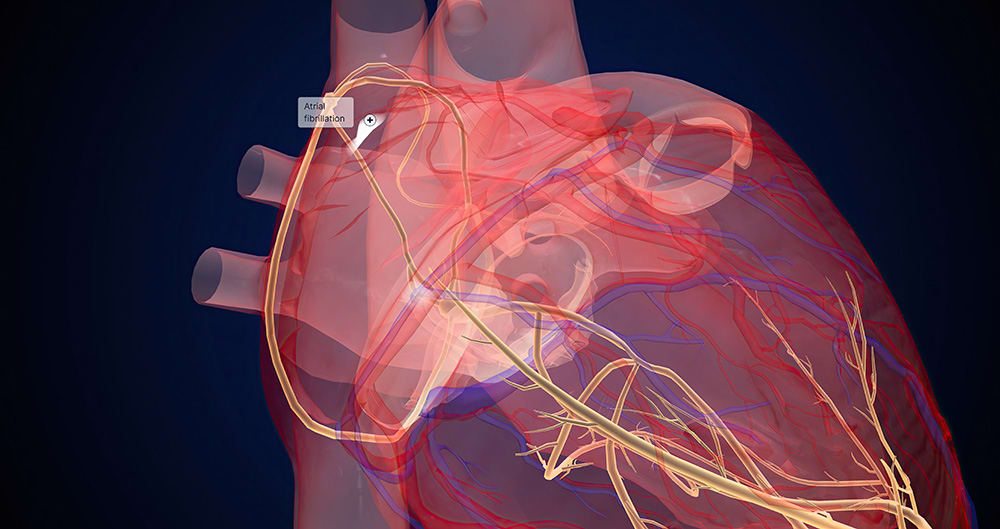
Minimally Invasive TT Maze Surgery Advances AFib Treatment
Keck Medicine of USC cardiothoracic surgeon Jonathan Praeger, MD, explains how a less-invasive approach to epicardial ablation helps resolve longstanding persistent AFib.
Clinical Report: Minimally Invasive TT Maze Surgery Advances AFib Treatment
Overview
The totally thoracoscopic (TT) maze surgery offers a less invasive approach to treat longstanding persistent atrial fibrillation (AFib). This technique allows for effective epicardial ablation while minimizing recovery time and associated risks.
Background
Atrial fibrillation (AFib) presents in various forms, with longstanding persistent AFib being particularly challenging to treat. Traditional endocardial ablation has limited success in this population, prompting the exploration of hybrid approaches that combine epicardial and endocardial techniques. The TT maze procedure represents a significant advancement in surgical options for patients suffering from this condition.
Data Highlights
No specific numerical data provided in the source material.
Key Findings
The TT maze procedure allows access to the heart through small incisions between the ribs, avoiding the need for sternotomy.
Endocardial ablation alone has a one-time success rate of approximately 30% for restoring normal sinus rhythm in longstanding persistent AFib patients.
Hybrid approaches combining epicardial and endocardial ablation have shown better outcomes than endocardial ablation alone.
The TT maze procedure is well tolerated by patients, with minimal pain and a short hospital stay.
Clinical Implications
The TT maze procedure may be beneficial for patients who wish to reduce stroke risk by addressing the left atrial appendage.
Conclusion
The TT maze surgery represents an advancement in the treatment of longstanding persistent AFib.
Review identifies recurring sex-based differences across specialties, including lower use of intensive and guideline-compliant treatment among female patients.