A transposase-derived gene required for human brain development - Report - MDSpire
Advertisement
A transposase-derived gene required for human brain development
A groundbreaking study published in Science Advances and featuring Phoenix Children’s investigators Dr. Michael Kruer and Dr. Patricia Cornejo reveals a previously unknown requirement for somatic genetic diversity among neurons in normal brain development.
Clinical Report: A transposase-derived gene required for human brain development
Overview
This study identifies the gene PGBD5 as essential for normal brain development, demonstrating that somatic genetic diversity among neurons is crucial for neurodevelopment. Disruption of PGBD5 leads to severe neurodevelopmental disorders, including intellectual disability and epilepsy.
Background
Understanding the genetic underpinnings of brain development is critical for addressing neurodevelopmental disorders. This research highlights the role of somatic genetic diversity in neuronal function and cortical organization, reframing the concept of genetic mosaicism in the nervous system. The findings have significant implications for genetic testing and diagnosis in pediatric neurodevelopmental conditions.
Data Highlights
No numerical data or trial data provided in the source material.
Key Findings
PGBD5 is identified as a critical gene for controlled DNA remodeling in early brain development.
Somatic genetic diversity among neurons is necessary for normal neurodevelopment.
Disruption of PGBD5 is linked to severe neurodevelopmental disorders, including intellectual disability and epilepsy.
The study establishes somatic genome remodeling as a programmed biological process in mammalian neurodevelopment.
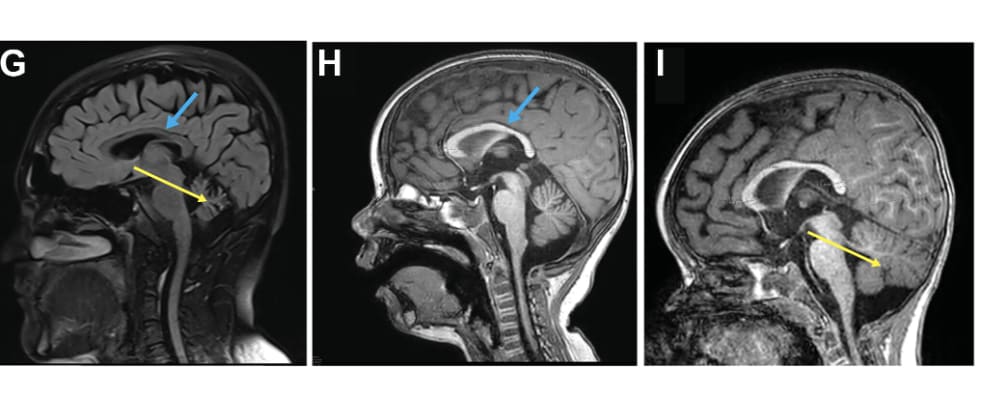
Patients with biallelic PGBD5 variants exhibit a neurodevelopmental syndrome.
Clinical Implications
The findings underscore the importance of considering somatic genetic diversity in the evaluation of neurodevelopmental disorders. Clinicians should be aware of the potential for genetic testing to reveal clinically relevant variants that may be confined to the brain.
Conclusion
This research provides new insights into the genetic mechanisms underlying brain development and neurodevelopmental disorders, emphasizing the role of PGBD5 in neuronal diversity and function.