Scientific Stunt Double: How a Molecular Twin Is Changing Cancer Treatment, Research - Report - MDSpire

Scientific Stunt Double: How a Molecular Twin Is Changing Cancer Treatment, Research

  • By

  • August 15, 2024

  • 6 min

Share

Clinical Report: How a Molecular Twin Is Changing Cancer Treatment

Overview

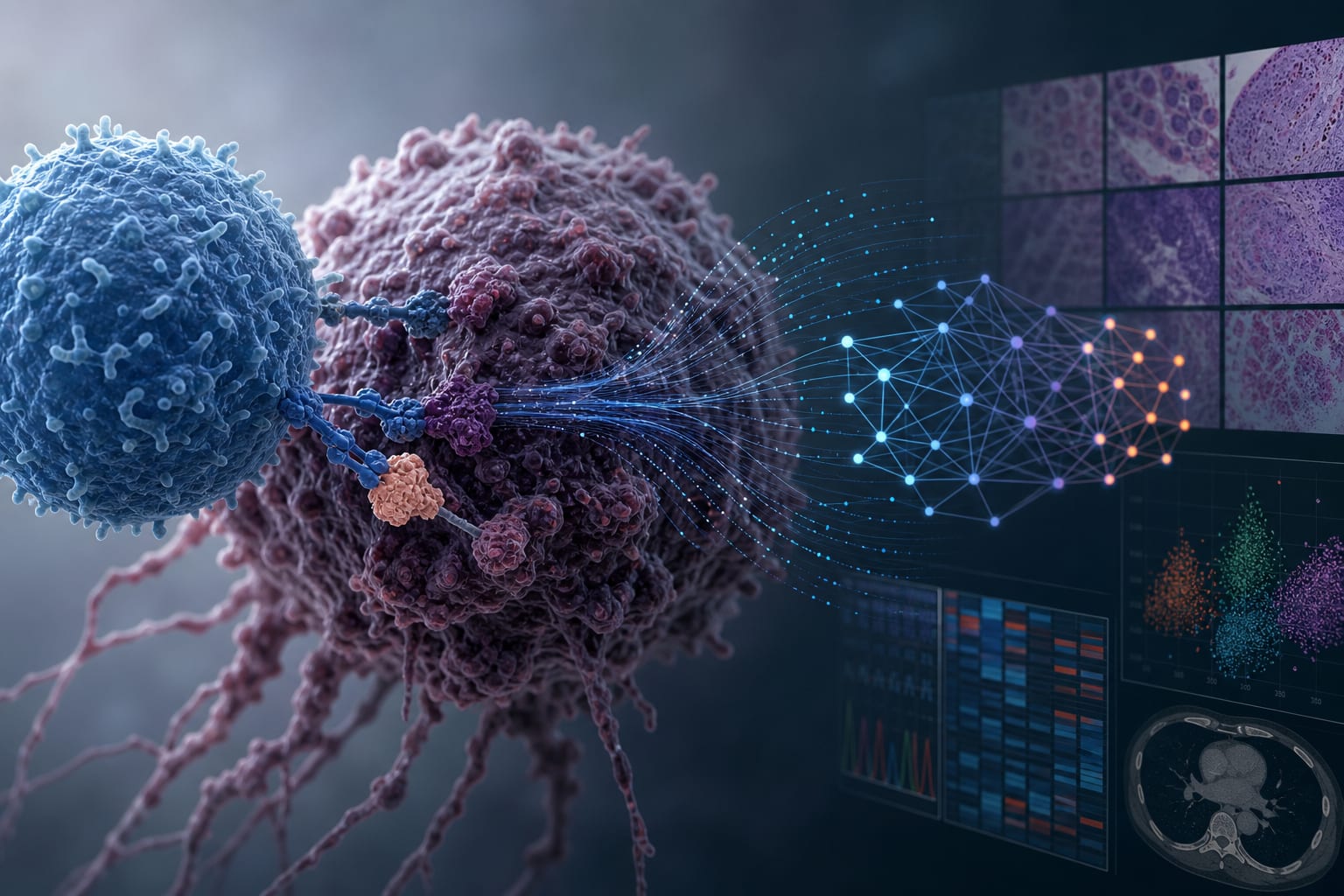
Enhance clarity on AI's role in creating virtual replicas and its direct impact on treatment strategies.

Background

The integration of advanced technology and patient-specific data is crucial in the evolving landscape of cancer treatment. Personalized oncology aims to tailor therapies based on individual biological characteristics, potentially improving outcomes. Understanding the molecular underpinnings of cancer can lead to the discovery of new treatment targets and biomarkers.

Data Highlights

No numerical data available in the source material.

Key Findings

Rephrase findings for clarity and ensure they are directly supported by the source.

Clinical Implications

The Molecular Twin technology offers a promising avenue for personalizing cancer treatment, potentially improving patient outcomes by identifying effective therapies based on individual molecular profiles. Clinicians may need to adapt treatment strategies based on emerging biomarkers and resistance patterns.

Conclusion

The use of AI-driven Molecular Twin technology represents a significant advancement in precision oncology, with the potential to transform treatment approaches and improve patient care in various cancer types.

References

  1. The ASCO Post, October 2024 -- Scientists Develop a ‘Digital Twin’ Model to Predict Cancer Treatment Responses
  2. The ASCO Post, August 2024 -- Preclinical Study Examines Novel Pancreatic Cancer Treatment
  3. When to perform NGS test in patients with cancer? -- ESMO Updates
  4. The ASCO Post — Scientists Develop a ‘Digital Twin’ Model to Predict Cancer Treatment Responses KEY POINTS
  5. The ASCO Post — Emerging Technology Will Help Tackle Tumor Complexity
  6. When to perform NGS test in patients with cancer?
  7. Prevalence of targetable genomic alterations among a diverse population participating in the ASCO TAPUR Study | npj Precision Oncology
  8. Application of digital twins for personalized oncology | Nature Reviews Cancer

Original Source(s)

Related Content