Clinical Report: What Referring Physicians Need to Know About Current Peripheral Artery Disease Guidelines
Overview
Current ACC/AHA guidelines emphasize early identification and risk assessment for peripheral artery disease (PAD). Many patients are asymptomatic yet remain at high risk for cardiovascular events, highlighting the need for comprehensive vascular testing and timely referrals.
Background
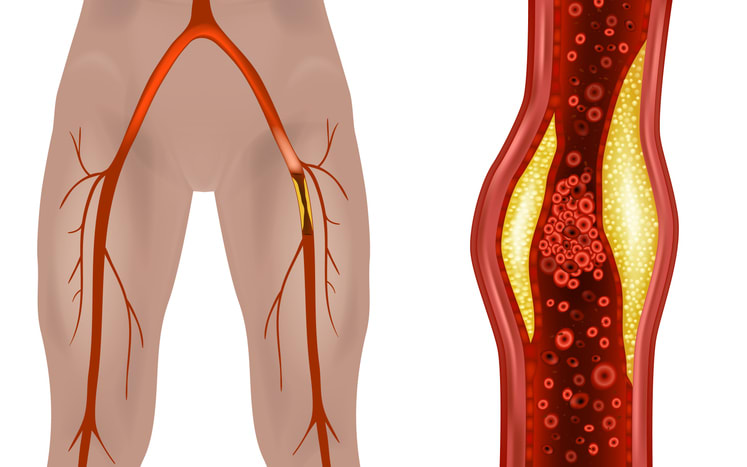
Peripheral artery disease (PAD) is a prevalent condition affecting millions of Americans, often going undiagnosed until severe symptoms arise. The latest guidelines provide a framework for healthcare providers to identify high-risk patients.
Data Highlights
No numerical data available in the source material.
Key Findings
Many patients with PAD are asymptomatic, increasing their risk for cardiovascular events.
Established risk factors for PAD include age, diabetes, smoking history, hypertension, dyslipidemia, chronic kidney disease, and family history of atherosclerotic disease.
A thorough history and physical examination are essential for diagnosing PAD.
The ankle-brachial index (ABI) remains a key diagnostic tool, although its limitations should be recognized.
Comprehensive vascular testing is recommended to assess disease severity and inform treatment decisions.
Timely referrals for patients with severe symptoms can prevent complications such as amputation.
Clinical Implications
Referring physicians should identify risk factors for PAD and conduct thorough evaluations.
Conclusion
The current guidelines for PAD highlight the importance of early detection and evaluation.
Moderate coffee consumption generally appeared safe for most adults, but randomized evidence suggested divergent effects on atrial fibrillation and premature ventricular contractions.
Investigators examined Life’s Essential 8 scores and carotid ultrasonography measures across cardiovascular-kidney-metabolic stages in 1,283 young adults.
In a phase 2b trial, the highest dose produced an estimated 12% mean weight reduction vs 1% with placebo, although gastrointestinal adverse events were common.