Conexiant’s news site is now MDSpire News. Learn more
Advertisement
Proton Therapy in Early-Onset Locally Advanced Rectal Cancer: The Importance of Fertility-Preserving Multimodality Care
The rising incidence and mortality of early-onset colorectal cancer (EOCRC), defined as disease occurring in patients younger than 50, has emerged as a clinically significant trend with implications for screening, diagnosis, and survivorship.
Proton Therapy in Early-Onset Locally Advanced Rectal Cancer: The Importance of Fertility-Preserving Multimodality Care
Overview
This report discusses the case of a 37-year-old woman with early-onset locally advanced rectal cancer who underwent proton therapy as part of a fertility-preserving multimodal treatment approach. The findings emphasize the importance of minimizing radiation exposure to reproductive organs in younger patients to mitigate long-term risks such as infertility.
Background
The rising incidence of early-onset colorectal cancer (EOCRC) poses significant challenges for screening and treatment, particularly in younger patients who often present with advanced disease. This demographic shift necessitates a focus on fertility preservation and tailored treatment strategies to improve outcomes and quality of life. Proton therapy offers a promising option due to its dosimetric advantages over conventional radiation methods.
Data Highlights
No numerical data available in the source material.
Key Findings
The patient presented with stage III rectal adenocarcinoma, highlighting the trend of advanced disease in younger populations.
Proton therapy was chosen for its ability to minimize radiation exposure to non-target pelvic tissues, particularly the ovaries.
The treatment was well tolerated, with minimal acute toxicity and no significant long-term treatment-related morbidity reported at follow-up.
Fertility preservation was a central consideration, with proton therapy potentially lowering the risks of premature menopause and infertility.
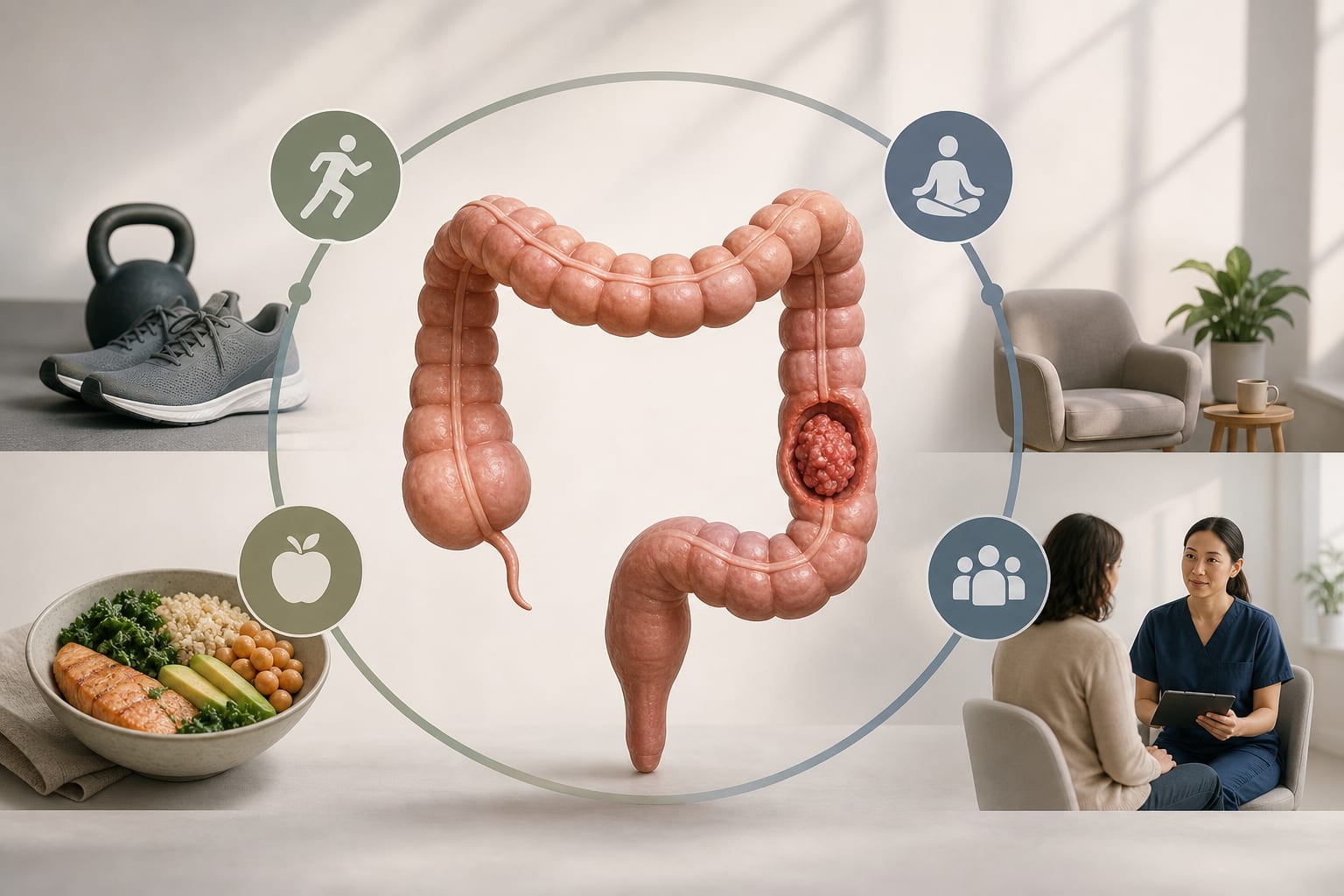
Multidisciplinary care is crucial for optimal outcomes in rectal cancer management, especially in younger patients.
Clinical Implications
Clinicians should maintain a high index of suspicion for colorectal cancer in younger patients presenting with relevant symptoms. Timely screening and a multidisciplinary approach are essential for improving outcomes and addressing the unique needs of this population, particularly regarding fertility preservation.
Conclusion
The case underscores the importance of integrating fertility-preserving strategies in the treatment of early-onset locally advanced rectal cancer. Proton therapy represents a valuable option in achieving effective cancer control while minimizing long-term reproductive risks.